
How to use this CBD directory
This directory serves as a navigational tool designed to help you locate nearby retailers and verify product legitimacy. Rather than offering general advice, we focus on concrete location details, operating hours, and selection criteria to streamline your search for local shops.
The primary goal is to bridge the gap between digital searches and physical visits. We compile data from trusted sources to ensure that the businesses listed are active and accessible. This approach prioritizes safety and convenience, allowing you to find stores that adhere to current industry standards without wading through unverified medical claims or compliance speculation.
When browsing the listings, look for shops that provide transparent information about their inventory and sourcing. Many reputable retailers display third-party lab results or offer detailed product descriptions. Use this directory to identify which local options align with your specific needs, whether that involves broad product selection or specialized customer service.
By focusing on verified local data, this guide helps you find regulated cannabis retailers with confidence. Treat this as a starting point for your research: confirm hours and stock availability by contacting the store directly before visiting. This practical approach ensures you make informed decisions based on current, location-specific information rather than outdated or generic online reviews.
Locate nearby CBD retailers
Finding a physical location is often the most reliable way to verify product quality before purchase. A dedicated CBD directory serves as the primary tool for this, aggregating listings from verified producers and local shops. These platforms allow you to filter by proximity, ensuring you are visiting an active storefront rather than an outdated or closed business.
When using a directory, always cross-reference the listed operating hours. Retail environments change frequently, and a quick check of the shop’s official social media or website can save a trip. Look for directories that offer direct links to the retailer’s location verification page, such as state-level dispensary maps in regulated markets like New York, where official government sources list approved locations.
Verification is key to safety. Reputable directories often highlight establishments that provide third-party lab results on-site. This transparency allows you to inspect the product’s cannabinoid profile and contaminants before buying. If a shop does not display this information, it is best to move to the next listing in the directory.
Compare top CBD product brands
Using a CBD directory requires more than just finding a shop; it involves understanding what is inside the bottle. Reputable brands distinguish themselves through transparent sourcing, extraction methods, and rigorous third-party testing. This comparison highlights key factors to help you evaluate quality and safety.
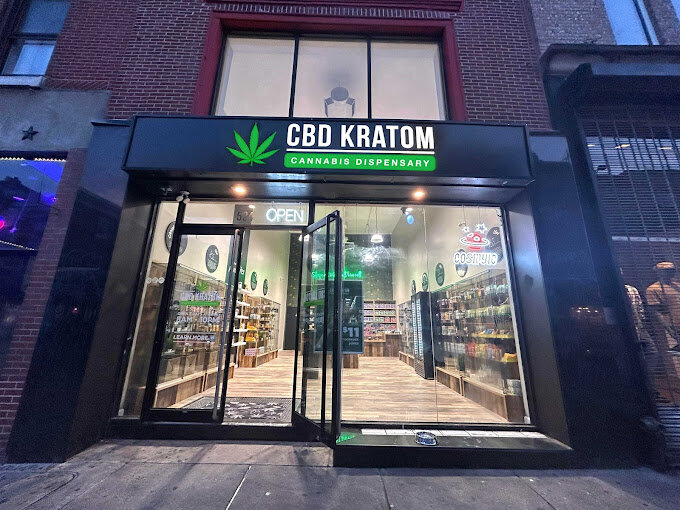
The table below outlines common attributes of leading industry brands. Use this data to verify claims against the Certificates of Analysis (COAs) provided by each manufacturer.
| Brand | Hemp Source | Extraction | 3rd-Party Lab | THC Content |
|---|---|---|---|---|
| Charlotte’s Web | US-grown organic | CO2 | Batch-specific | <0.3% |
| NuLeaf Naturals | US-grown organic | CO2 | Batch-specific | <0.3% |
| Joy Organics | US-grown organic | CO2 | Batch-specific | <0.3% |
| CBDfx | US-grown | Ethanol/CO2 | Batch-specific | <0.3% |
| Papa & Barkley | US-grown organic | CO2 | Batch-specific | <0.3% |
Verify product quality and safety
Using a CBD directory requires more than just finding a nearby shop; it demands a method to validate what is actually inside the bottle. Because the industry lacks uniform federal oversight, the responsibility for safety verification falls on the consumer. You can distinguish reputable vendors from casual retailers by examining their documentation practices and understanding the regulatory landscape.
The most reliable indicator of product integrity is the Certificate of Analysis, or COA. This document, generated by an independent third-party laboratory, confirms the cannabinoid profile and checks for contaminants like heavy metals, pesticides, and solvents. When browsing a CBD directory, look for shops that display these reports clearly. A trustworthy vendor will provide a QR code on the packaging that links to a current, batch-specific COA, ensuring the product you buy matches the lab results.
Regulatory nuances also play a significant role in product safety. While the 2018 Farm Bill legalized hemp-derived CBD containing less than 0.3% THC, state laws vary widely. Some regions enforce strict labeling requirements or ban certain types of CBD products entirely. Reputable local shops listed in a CBD directory will adhere to these local regulations, ensuring their inventory is compliant and tested. Always verify that the shop operates within your local jurisdiction’s legal framework to avoid purchasing non-compliant or potentially unsafe products.
Beyond documentation, consider the shop’s sourcing transparency. High-quality CBD is typically grown in the United States under strict agricultural standards. Vendors who are open about their farming partners and extraction methods—such as CO2 extraction, which avoids harsh chemical solvents—demonstrate a commitment to quality. This transparency is often highlighted in directory profiles, allowing you to make an informed decision before visiting or ordering.
Verify Your Local CBD Shopping Checklist
Using a CBD directory to find a shop is only the first step. Before handing over payment, treat your visit as a due diligence process. A safe purchase relies on transparency, proper licensing, and clear product sourcing. Follow this workflow to ensure the store meets safety standards.
Legitimate CBD retailers must display their business license prominently. In regulated states, this often includes a specific hemp or cannabis retailer permit. If the license is missing or expired, leave the store. You can cross-reference the store name with your state’s department of health or agriculture website to verify active status.
Every product should have a Certificate of Analysis (COA) from an independent laboratory. Check that the COA matches the batch number on the package. Look for tests confirming potency (CBD/THC levels) and safety (pesticides, heavy metals, and solvents). If a staff member cannot produce a current COA, do not buy that item.
Avoid products with vague labels like "proprietary blends." Reputable shops list all ingredients, including carrier oils and flavorings. The label should clearly state whether the product is full-spectrum, broad-spectrum, or isolate. Clear labeling indicates a retailer that prioritizes consumer safety over quick sales.
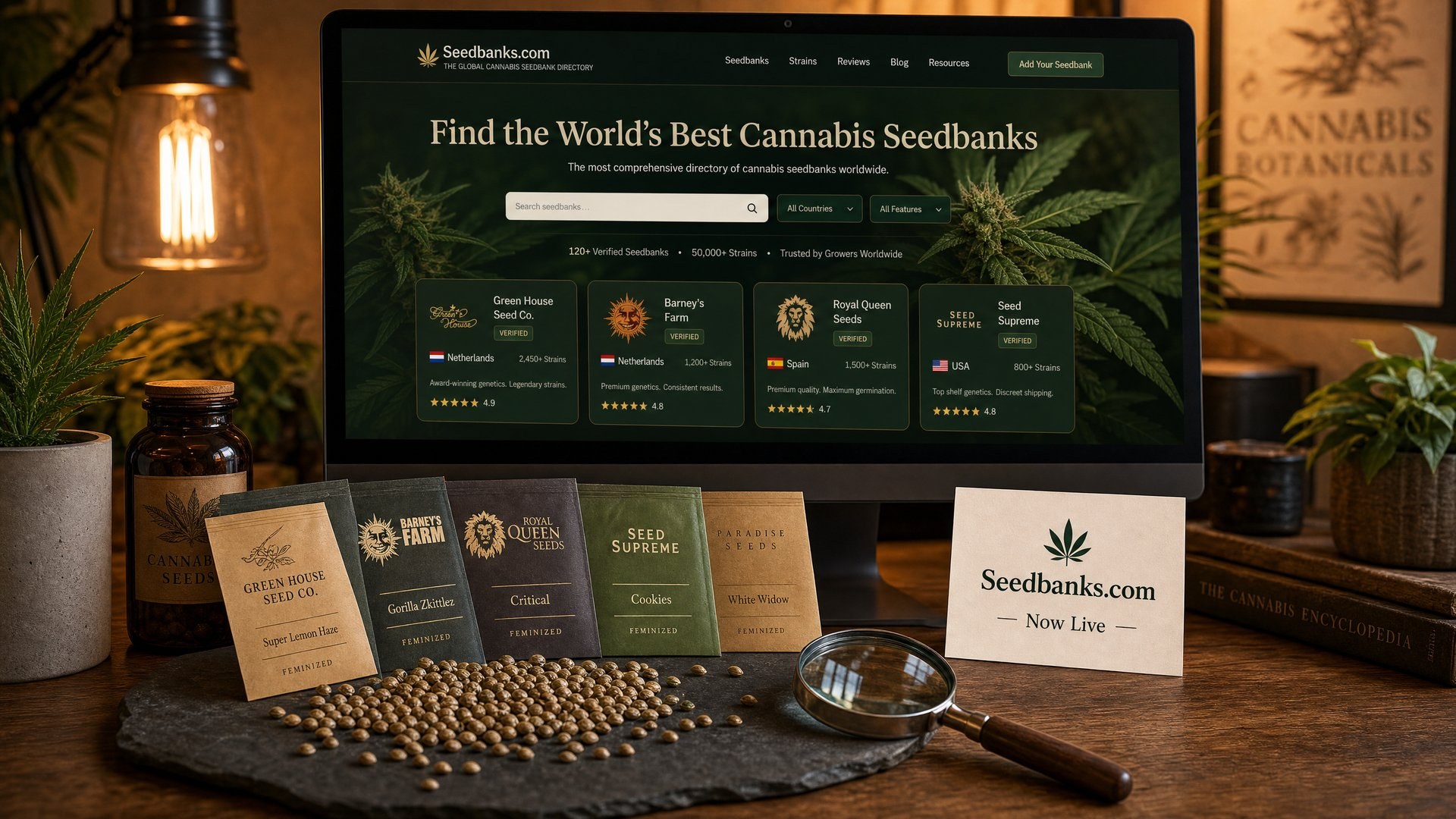
Good CBD directory entries often highlight customer service quality. In person, ask staff about their sourcing partners. Knowledgeable employees should be able to explain where their hemp was grown and how it is processed. The store itself should be clean, organized, and free of outdated products.
Before purchasing, ask about the store’s return policy for unopened items. Reputable businesses stand behind their products and offer clear refund or exchange procedures. This protection is vital if you are unsure about a product’s effectiveness or if it arrives damaged.
By following these steps, you move beyond just finding a shop to ensuring it is a trustworthy partner. This checklist helps you find the local CBD market with confidence, prioritizing your safety and satisfaction above all else.
Common questions about CBD stores
The local market can be confusing when terms vary by region. This section clarifies basic definitions and logistics to help you find what you need in a CBD directory.
What does CBD stand for?
CBD stands for cannabidiol. It is a naturally occurring compound found in the cannabis plant. Unlike THC, it does not produce psychoactive effects. This distinction is important for shoppers looking for non-intoxicating wellness products.
Can CBD be shipped to all 50 states?
Shipping regulations depend on state laws. While the 2018 Farm Bill legalized hemp-derived CBD federally, individual states have their own rules. Some states ban online sales or require in-person purchases. Always check your local laws before ordering.
What are CBD stores called?
Retailers go by many names. You might see signs for "hemp shops," "wellness boutiques," or "cannabis dispensaries." In regulated markets, "dispensary" usually implies THC products are also sold. "Hemp shop" typically refers to stores selling only non-psychoactive hemp derivatives.
Is CBD sold over the counter?
Yes, many products are available without a prescription. You can find oils, topicals, and edibles in health food stores, gas stations, and dedicated CBD shops. However, quality control varies widely. Reputable stores provide third-party lab tests to verify potency and purity.
No comments yet. Be the first to share your thoughts!