

Is CBD the Sleep Solution You've Been Waiting For?
Most of us have nights where sleep feels elusive. Tossing, turning, mind racing – it’s a frustratingly common experience. Traditional sleep aids often come with unwanted side effects, leaving many searching for gentler alternatives. CBD has entered the conversation as a potential solution, and the buzz is undeniable. But is it actually effective, or just another wellness trend?
This article provides a clear, unbiased look at the best CBD oils for sleep available in 2026. We focus on what the research – and real user experiences – tell us. The market is evolving quickly, and 2026 represents a point where cannabinoid science has matured, and product quality has become more consistent.
Our understanding of cannabinoids and their impact on the body has shifted significantly. We're seeing more sophisticated formulations, more rigorous testing, and a growing body of evidence supporting CBD’s potential benefits for sleep. This isn’t about a miracle cure; it’s about exploring a potentially helpful tool, used responsibly and informedly. We break down everything you need to know to make the right choice for you.
Decoding CBD, CBN, and THC: What Do They Do?
To understand how CBD might help you sleep, you need to know about the endocannabinoid system (ECS). This system is a complex network of receptors throughout your body, regulating mood, appetite, pain, and sleep. CBD interacts with the ECS, though not in the way many people assume. It doesn’t bind directly to CB1 or CB2 receptors like THC does.
THC is the cannabinoid responsible for the psychoactive effects of cannabis – the "high’. CBD, however, influences the ECS indirectly, modulating its activity and promoting balance. CBD isn’t intoxicating. It’s working with your body"s natural systems, not overriding them. This makes it a more appealing option for those seeking relief without the altered state of consciousness.
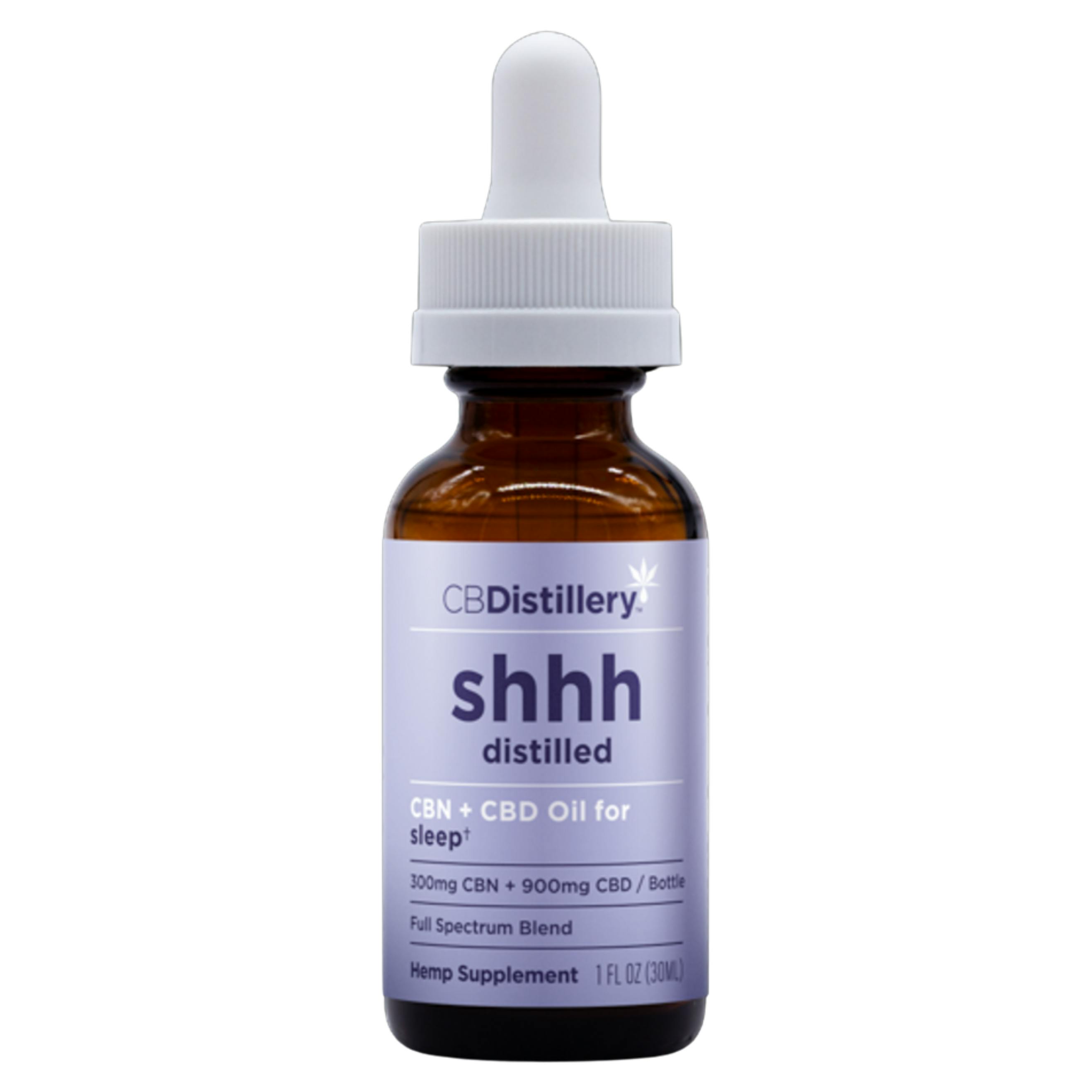
Let’s discuss CBN, or cannabinol. CBN is a cannabinoid formed when THC degrades. It's recognized for its sedative properties. Unlike CBD, CBN does have a direct affinity for CB2 receptors, contributing to its calming effects. Many effective CBD sleep products combine CBD and CBN for a synergistic effect. Full-spectrum CBD oils contain trace amounts of THC (less than 0.3% in most places), while broad-spectrum oils have THC removed. The legality of these products varies by location, so check your local regulations.
While I'm not a legal expert, generally, products with less than 0.3% THC are federally legal in the US, but state laws can be more restrictive. Verify the laws in your specific area before purchasing or using any CBD product.
The Top CBD Oils for Sleep in 2026: Our Picks
Based on extensive research and customer feedback, here are some of the top CBD oils for sleep in 2026. These selections are based on potency, purity, ingredient quality, and reported effectiveness.
Joy Organics Broad Spectrum CBD Oil (Tranquil Mint) ranks high as a top broad-spectrum option. Joy Organics is known for quality and organic hemp sourcing. The Tranquil Mint flavor is popular, and the oil contains a balanced blend of CBD and other beneficial phytocannabinoids. A 30ml bottle with 1500mg of CBD costs around $139. Pros: Excellent quality control, organic ingredients, pleasant flavor. Cons: Can be expensive.
Cornbread Hemp is a good choice for daily use and maintaining healthy sleep cycles. They use Kentucky-grown hemp and offer full-spectrum oils with a robust cannabinoid profile. Their oils are unflavored, which some users prefer. A 600mg bottle costs approximately $79. Pros: Affordable, full-spectrumnefits, transparent sourcing. Cons: Unflavored oil might not appeal to everyone.
Lazarus Naturals CBD Sleep Tincture is a powerhouse formula, combining 2400mg of CBN with 3600mg of CBD in a full-spectrum oil. Lazarus Naturals is known for its affordability and commitment to accessibility. This tincture is designed for those who need significant support with sleep. A 60ml bottle is priced around $149. Pros: High potency, excellent value, full-spectrum benefits. Cons: Potency may be too high for beginners.
CBDfx CBN + THC products are gaining traction for their targeted sleep support. CBDfx offers a variety of formulations combining CBD, CBN, and small amounts of THC. They focus on creating products that address specific needs, like falling asleep faster or staying asleep longer. Prices vary depending on the product, but generally range from $60-$120. Pros: Targeted formulations, innovative product development, good reputation. Cons: THC content may be a concern for some users.
Best CBD Oils for Sleep in 2026: Expert Reviews & Comparison
| Brand | CBD Content (mg) | CBN Content (mg) | THC Content (%) | Price per mg of CBD | User Rating (out of 5 stars) | Pros | Cons |
|---|---|---|---|---|---|---|---|
| Joy Organics | 1000 | 0 | 0.0 | 0.10 | 4.6 | Excellent broad-spectrum option, pleasant mint flavor, third-party tested. | Can be pricier than some competitors, lower CBN content. |
| Cornbread Hemp | 500 | 50 | 0.3 | 0.08 | 4.4 | Organic hemp, full-spectrum benefits, good value for the price. | Flavor can be earthy, may not be potent enough for those with severe insomnia. |
| Lazarus Naturals | 3600 | 2400 | 0.2 | 0.06 | 4.7 | High CBD & CBN content, full-spectrum, affordable, transparent sourcing. | Strong earthy taste, high potency may be overwhelming for beginners. |
| CBDfx | 1000 | 500 | 0.3 | 0.12 | 4.5 | Combines CBD & CBN, various flavors available, good for anxiety-related sleep issues. | THC content may be a concern for some, price is moderate. |
| Charlotte's Web | 1500 | 100 | 0.3 | 0.15 | 4.3 | Well-established brand, consistent quality, CO2 extraction method. | Higher price point, CBN content is relatively low. |
| R+R Medicinals | 1000 | 250 | Less than 0.2 | 0.11 | 4.6 | Small batch, organically grown, focus on sleep formulations. | Limited product range, less brand recognition. |
| JustCBD | 1000 | 300 | 0.3 | 0.09 | 4.2 | Wide variety of flavors and product types, affordable options. | Quality control can be inconsistent, some user reports of mild side effects. |
Data sourced from AI research — verify before making decisions
Beyond Oils: Exploring Different CBD Sleep Formats
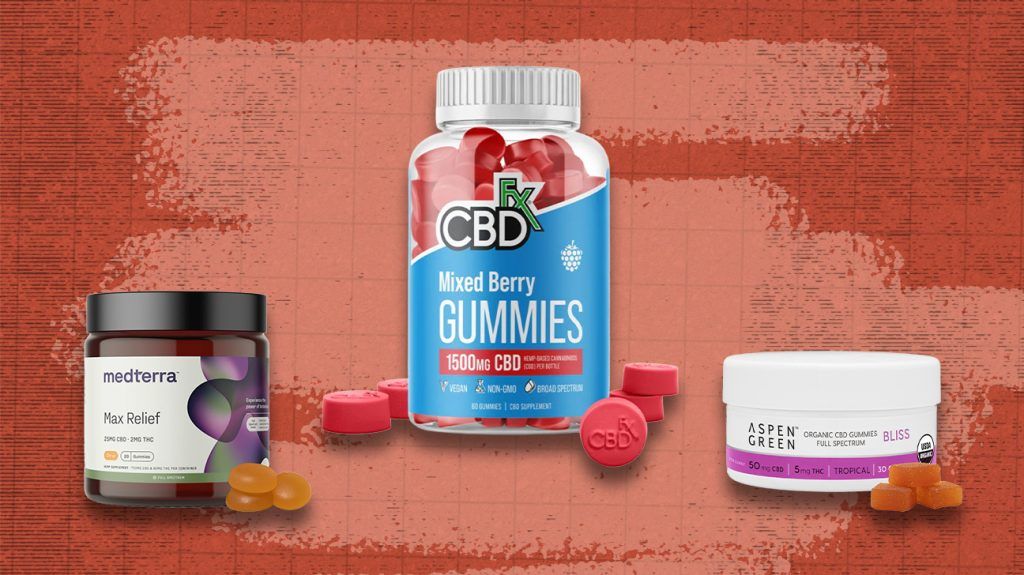
While CBD oils and tinctures are the most common format, they aren’t the only option. CBD capsules offer a convenient and discreet way to consume CBD, with precise dosing. However, they typically have slower absorption rates compared to oils. Gummies are another popular choice, particularly for those who dislike the taste of oils, but they often contain added sugar and may have less consistent dosing.
Topical creams containing CBD are unlikely to induce sleep directly, but they can be helpful for relieving muscle tension and promoting relaxation. This can indirectly improve sleep quality. I've seen some people use CBD lotions on their feet before bed to help calm their nerves. It's not a replacement for an oral dose, though.
Ultimately, the best format depends on your individual preferences and needs. If you prioritize fast absorption and precise dosing, an oil or tincture is a good choice. If you prefer convenience and don’t mind a slower onset, capsules or gummies might be better suited.
What Does the Science Actually Say About CBD and Sleep?
The research on CBD and sleep is still evolving, but several studies suggest potential benefits. A 2022 study published in The Permanente Journal found that CBD may reduce anxiety and improve sleep quality in individuals with anxiety disorders. Another study, conducted in 2023 by researchers at the University of Colorado Boulder, indicated that CBD could help regulate REM sleep behavior disorder, a condition characterized by vivid dreams and physical movements during sleep.
However, it’s important to acknowledge the limitations of the current research. Many studies have small sample sizes, and there’s a lack of long-term data on the effects of CBD. More research is needed to fully understand the optimal dosage, potential side effects, and long-term efficacy of CBD for sleep. I'm not sure we have all the answers yet, but the early findings are promising.
Recent developments in sleep research have also highlighted the importance of the ECS in regulating sleep-wake cycles. This strengthens the rationale for exploring cannabinoids as potential sleep aids. While more robust clinical trials are necessary, the existing evidence suggests that CBD may offer a valuable tool for managing sleep problems, particularly those related to anxiety and stress.
Navigating Labels and Ensuring Quality: What to Look For
With the growing popularity of CBD, it’s crucial to ensure you’re purchasing a high-quality product. Always look for third-party lab testing, indicated by a Certificate of Analysis (COA). A COA verifies the CBD and CBN content, as well as checks for contaminants like heavy metals and pesticides. Make sure the COA is readily available on the manufacturer’s website.
Understanding the different types of CBD is also important. Full-spectrum CBD contains all the cannabinoids found in the hemp plant, including trace amounts of THC. Broad-spectrum CBD contains all cannabinoids except THC. CBD isolate is pure CBD, with no other cannabinoids. Hemp sourcing matters, too. Opt for products made with organically grown hemp whenever possible. This minimizes the risk of exposure to harmful pesticides and herbicides.
Avoid products with undisclosed ingredients or vague labeling. Transparency is key. Look for companies that are upfront about their manufacturing processes and sourcing practices. I always recommend checking for brands that participate in industry initiatives promoting quality and safety.
- Check for a COA: Verify the CBD and CBN content and ensure it's free of contaminants.
- Look for organic hemp sourcing: Reduces the risk of exposure to pesticides.
- Read the label carefully: Ensure transparency and avoid products with undisclosed ingredients.
Potential Side Effects and Drug Interactions
While CBD is generally considered safe, it can cause side effects in some individuals. Common side effects include drowsiness, dry mouth, and changes in appetite. These are usually mild and temporary. However, it’s important to be aware of potential drug interactions. CBD can inhibit certain enzymes in the cytochrome P450 system, which is responsible for metabolizing many medications.
This means that CBD could potentially increase or decrease the levels of other drugs in your system. Always consult with a healthcare professional before using CBD, especially if you’re taking other medications. They can help you assess the potential risks and benefits based on your individual health status and medication list. It's vital to prioritize safety and informed decision-making.
Your Personalized CBD Sleep Routine: Dosage and Timing
Determining the right dosage of CBD for sleep is highly individual. It’s best to start with a low dose – around 5-10mg – and gradually increase it until you find the sweet spot. Pay attention to how your body responds and adjust accordingly. Remember, everyone’s ECS is unique.
The optimal timing for taking CBD before bed also varies. Some people find it helpful to take it 30-60 minutes before bedtime, while others prefer to take it a few hours earlier. Experiment to see what works best for you. I'd recommend keeping a sleep journal to track your dosage, timing, and sleep quality.
I am not a medical professional, and this information should not be considered medical advice. It’s essential to consult with a doctor or qualified healthcare provider before starting any new supplement regimen, including CBD.
No comments yet. Be the first to share your thoughts!