
Trusted CBD source budget
Finding a reliable CBD source requires balancing price, potency, and verification. The market is split into three distinct tiers, each serving different needs and budgets. Understanding these tradeoffs prevents overspending on low-potency products or underestimating the cost of verified safety.
The budget tier: $20–$40
Entry-level oils and gummies dominate this range. Brands like Trusted CBD Source offer accessible entry points for new users testing the waters. At this price, you typically get lower concentrations (15–30mg per serving). The tradeoff is convenience over potency. These products are ideal for occasional use but may require higher daily volumes for consistent effects. Always verify the Certificate of Analysis (COA) even here; budget brands sometimes cut corners on third-party testing.
The mid-tier: $40–$70
This is the sweet spot for most regular users. Products here offer higher concentrations (500–1000mg per bottle) and often include full-spectrum blends for the entourage effect. You’ll find better extraction methods and more precise dosing. Brands in this range usually invest heavily in transparency, making it easier to spot legitimate sources. If you’re using CBD daily for stress or sleep, this tier offers the best balance of cost and quality.
The premium tier: $70+
High-end isolates, organic full-spectrum oils, and specialized topicals land here. These products often feature organic hemp, advanced delivery systems (like nano-emulsions), and rigorous multi-panel lab testing. The premium pays for purity and consistency. If you have sensitivities or require precise dosing for specific conditions, this tier justifies the cost. However, for general wellness, the marginal benefits over mid-tier options are often minimal.
Verification over price
Regardless of budget, legitimacy is non-negotiable. Look for third-party testing and proper labeling. Most reliable CBD companies use independent labs to test products, providing a certificate of analysis that lists active ingredients and any contaminants. Never buy from a source that lacks a readily available COA. The safest approach is to start mid-tier, verify the lab results, and adjust your budget based on your actual needs rather than marketing claims.
Shortlist real options
Finding a safe CBD product in 2026 means looking past marketing claims and focusing on verifiable data. The market is crowded, but a few sources consistently deliver on transparency and quality. When evaluating trusted CBD sources, the primary indicator of safety is third-party lab testing. Reputable websites provide Certificates of Analysis (COAs) that are easily accessible, usually via a QR code on the packaging or a product page link.
We compared several leading brands based on their lab accessibility, ingredient clarity, and product range. The following table highlights the key differences between the top contenders. This comparison helps you quickly identify which source aligns with your specific wellness needs, whether that is sleep support, stress relief, or general recovery.
| Brand | Lab Testing | Key Formats | Price Range |
|---|---|---|---|
| Trusted CBD Source | COAs on every product page | Oils, gummies, topicals | Mid-range |
| Charlotte’s Web | Batch-specific COAs | Oils, capsules, pet products | Premium |
| Cornbread Hemp | USDA Organic COAs | Gummies, balms, capsules | Mid-to-premium |
| Koi CBD | Full-spectrum COAs | Oils, gummies, vape | Budget-friendly |
| Green Roads | Pharmacist-formulated COAs | Oils, edibles, topicals | Premium |
Each of these brands offers distinct advantages. Trusted CBD Source provides a broad selection of formats with transparent labeling, making it a strong option for beginners. Charlotte’s Web remains a benchmark for consistency, particularly for those who prefer oils and capsules. For budget-conscious shoppers, Koi CBD offers solid quality at a lower entry point. Always verify the current COA for any product you purchase, as formulations can change.
Inspect the expensive parts
Buying CBD feels like rolling dice without a calculator. You pay for the promise of purity, but the market is full of products that don’t deliver. To avoid wasting money on contaminated or weak oils, you need a practical inspection checklist. Focus on the failure points that actually matter: the lab work, the extraction method, and the label accuracy.
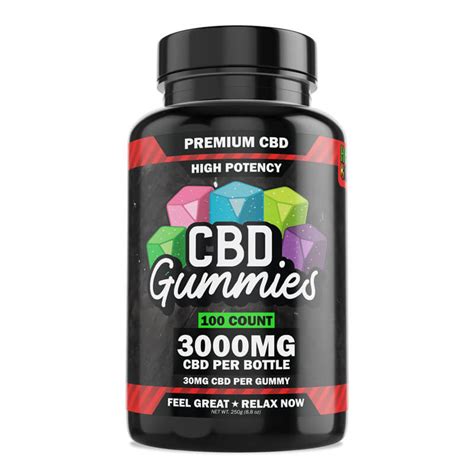
Every legitimate product must have a Certificate of Analysis (COA) from an independent third-party lab. This document proves what is actually in the bottle. Look for a QR code on the label that leads to a specific report for that batch, not a generic PDF. Check that the COA confirms the CBD potency matches the label and, crucially, that THC levels are within legal limits (below 0.3%).
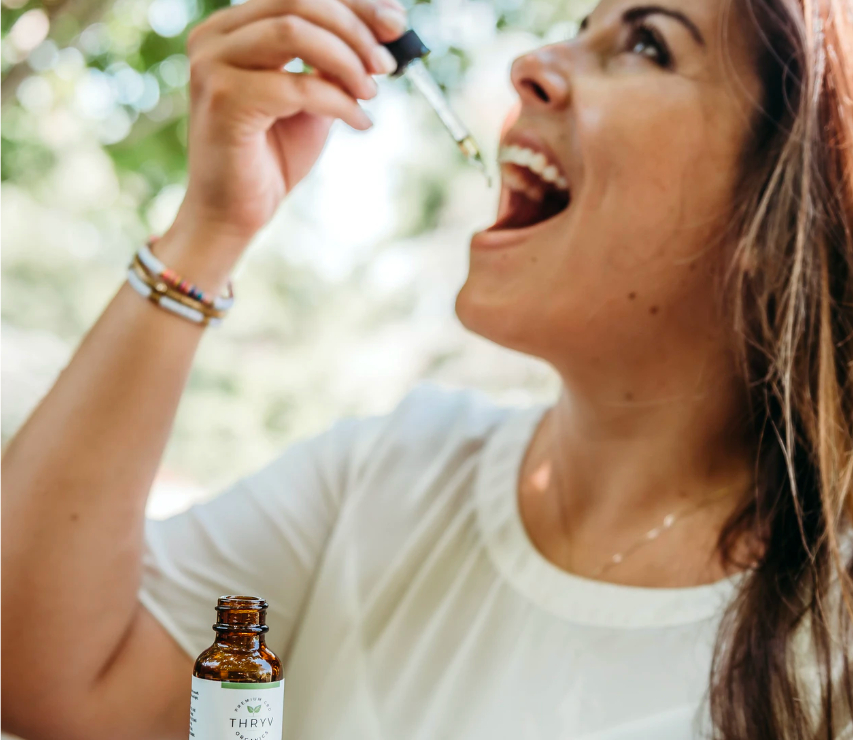
Cheap extraction methods often leave behind harmful residues. The COA must explicitly test for heavy metals, pesticides, residual solvents, and microbial impurities like mold or E. coli. If a brand cannot provide a full-panel test showing these contaminants are absent, walk away. This is the most expensive failure point, as contaminated products can cause serious health issues.
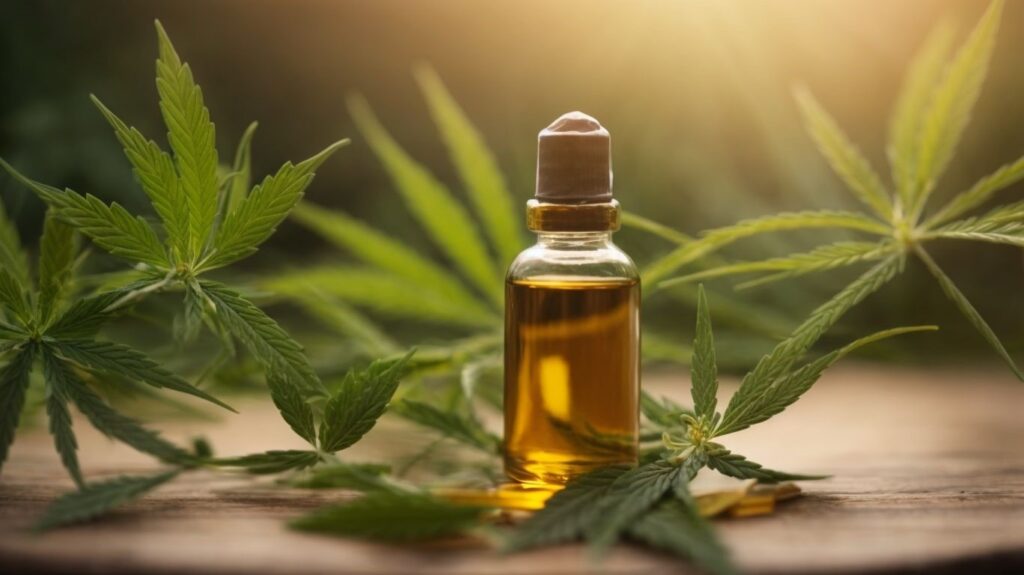
Not all CBD is created equal. Look for products extracted using CO2 (supercritical or subcritical) methods. This process uses pressurized carbon dioxide to pull cannabinoids from the hemp plant without leaving behind toxic chemical solvents like butane or propane. CO2 extraction is cleaner and more precise, resulting in a purer final product. If the label doesn’t specify the method, assume it’s inferior.
A trustworthy brand is transparent about its ingredients. The label should clearly state the total amount of CBD in milligrams (mg) and the concentration per serving. It must also list the carrier oil used (like MCT or hemp seed oil) and any other active ingredients. Be wary of vague terms like "hemp extract" without specific potency numbers. Proper labeling is a sign of a company that respects regulatory standards and consumer safety.
Before buying, check independent reviews and industry recognition. Look for brands that have been featured in reputable publications or have consistent positive feedback on platforms like Reddit or Trustpilot. A company with a long-standing presence and transparent customer service policies is generally more reliable than a new, anonymous startup. Trust is built on consistency and accountability.
By following these steps, you can filter out the noise and find products that are safe and effective. Remember, you get what you pay for in the CBD industry. Investing time in verification now saves you money and health risks later.
Ownership costs
A low price tag on a CBD bottle often masks the true cost of ownership. The cheapest products frequently lack potency, meaning you must consume more to achieve the desired effect. Over months, this daily increase in volume can make a budget brand more expensive than a mid-tier option with verified concentration levels.
Maintenance surprises usually stem from product stability. Lower-quality oils may oxidize or separate, requiring shaking or resulting in inconsistent dosing. Similarly, cheap gummies can stick together or lose potency if stored improperly. Reputable sources like Trusted CBD Source include stability testing in their formulation, reducing the risk of wasted inventory.
When a cheap buy stops being cheap is a matter of dilution. If a product requires double the recommended serving to feel an effect, you are paying for filler rather than cannabinoids. Always compare cost per milligram of CBD, not just cost per bottle, to see the real financial impact over time.
No comments yet. Be the first to share your thoughts!