
- Understanding CBD and Its Potential Benefits for Mental Health
As the world becomes more aware of the potential benefits of CBD, it's important to understand what it is and how it may help support mental health. CBD, or cannabidiol, is a natural compound found in the cannabis plant. Unlike THC, another compound found in cannabis, CBD does not produce a "high" or psychoactive effects.
Research has shown that CBD may have potential benefits for mental health, including anxiety and depression. CBD works by interacting with the body's endocannabinoid system, which plays a role in regulating mood, sleep, and other bodily functions.
Anxiety: Anxiety disorders are the most common mental illness in the United States, affecting over 40 million adults. CBD may help reduce symptoms of anxiety by interacting with serotonin receptors in the brain. Serotonin is a neurotransmitter that plays a role in regulating mood and anxiety levels.
Depression: Depression is a serious mental illness that affects millions of people worldwide. CBD may help support mental health by increasing levels of anandamide, a neurotransmitter that plays a role in regulating mood and emotions.
Beyond Anxiety and Depression: While anxiety and depression are two of the most common mental health conditions, CBD may also have potential benefits for other conditions, including PTSD, OCD, and bipolar disorder. However, more research is needed to fully understand the potential benefits of CBD for these conditions.
Overall, CBD may have potential benefits for mental health by interacting with the body's endocannabinoid system and regulating mood, sleep, and other bodily functions. If you're considering using CBD to support your mental health, it's important to talk to your healthcare provider first.

- How CBD Can Help with Anxiety and Stress Management
Anxiety and stress are common mental health issues that affect millions of people worldwide. While there are various treatment options available, many people are turning to CBD as a natural alternative to manage their symptoms.
CBD, or cannabidiol, is a non-psychoactive compound found in the cannabis plant. Unlike THC, which is the psychoactive compound responsible for the “high” associated with cannabis use, CBD does not produce any mind-altering effects.
Research has shown that CBD may help reduce anxiety and stress by interacting with the body’s endocannabinoid system (ECS). The ECS is a complex network of receptors and neurotransmitters that helps regulate various bodily functions, including mood, appetite, and sleep.
When CBD is consumed, it interacts with the ECS to help regulate the body’s response to stress and anxiety. CBD has been shown to increase the levels of anandamide, a neurotransmitter that helps regulate mood, and reduce the levels of cortisol, a hormone that is released in response to stress.
In addition to its interaction with the ECS, CBD may also help reduce anxiety and stress by promoting relaxation and improving sleep quality. Many people who suffer from anxiety and stress also struggle with sleep issues, which can exacerbate their symptoms. CBD has been shown to promote relaxation and improve sleep quality, which can help reduce anxiety and stress levels.
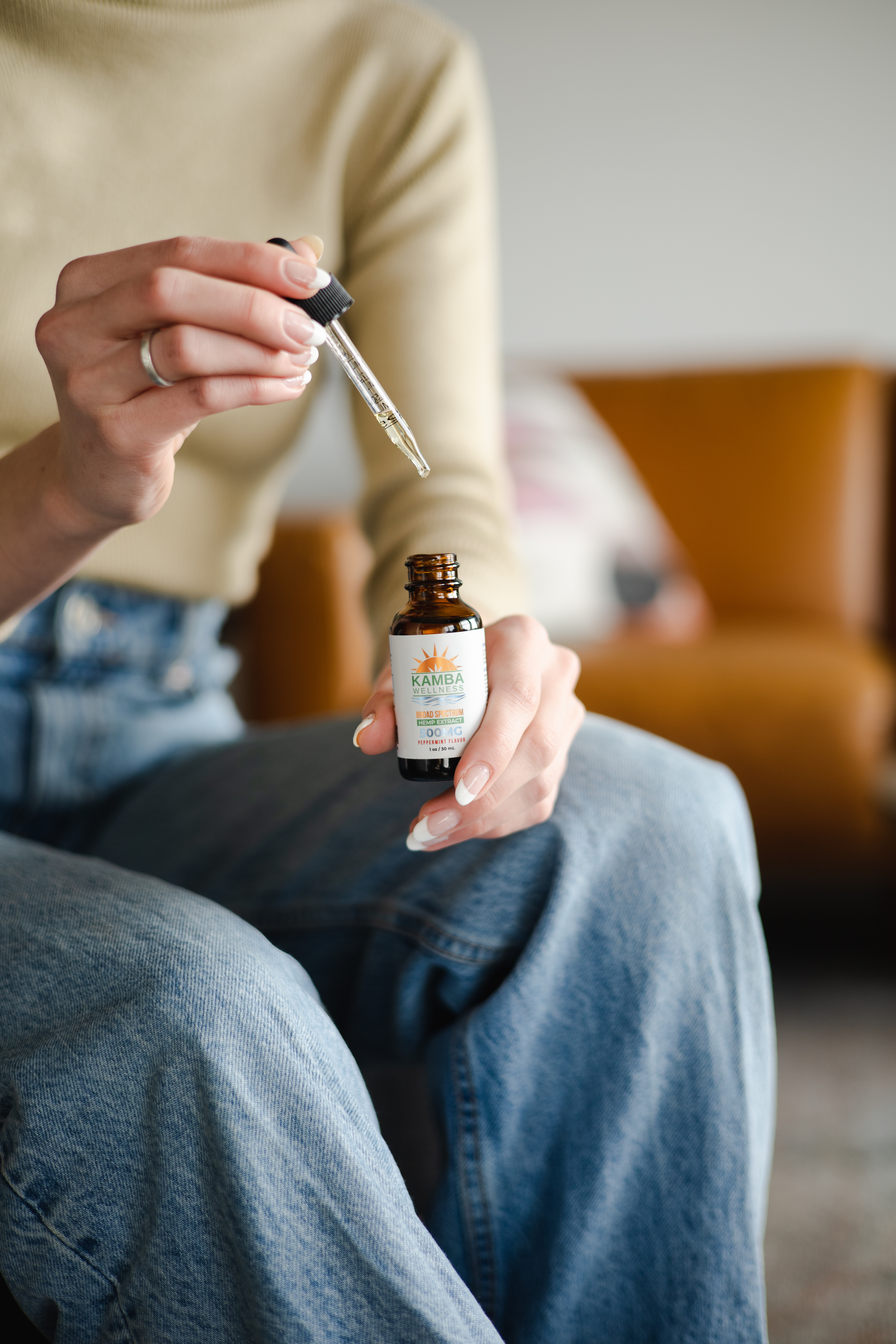
Image source: Unsplash
Overall, CBD may be a promising natural alternative for those looking to manage their anxiety and stress levels. However, it’s important to note that CBD is not a cure-all and should not be used as a substitute for professional medical advice or treatment. If you are experiencing severe anxiety or stress, it’s important to speak with a healthcare professional to determine the best course of treatment for your individual needs.
- CBD and Depression: What the Research Says
Depression is a common mental health disorder that affects millions of people worldwide. While there are various treatments available for depression, some people are turning to CBD as a natural alternative. But what does the research say about CBD and depression?
Several studies have shown that CBD may have antidepressant effects. One study published in the journal Molecular Neurobiology found that CBD can increase serotonin levels in the brain. Serotonin is a neurotransmitter that regulates mood, and low levels of serotonin have been linked to depression.
Another study published in the Journal of Psychopharmacology found that CBD can reduce symptoms of depression in rats. The researchers found that CBD had a rapid and sustained antidepressant-like effect.
While these studies are promising, more research is needed to fully understand the effects of CBD on depression in humans. It's important to note that CBD should not be used as a replacement for prescribed medication or therapy for depression. Always consult with a healthcare professional before starting any new treatment.
Overall, CBD shows potential as a natural alternative for treating depression. However, more research is needed to fully understand its effects on the disorder. If you're struggling with depression, it's important to seek professional help and explore all available treatment options.
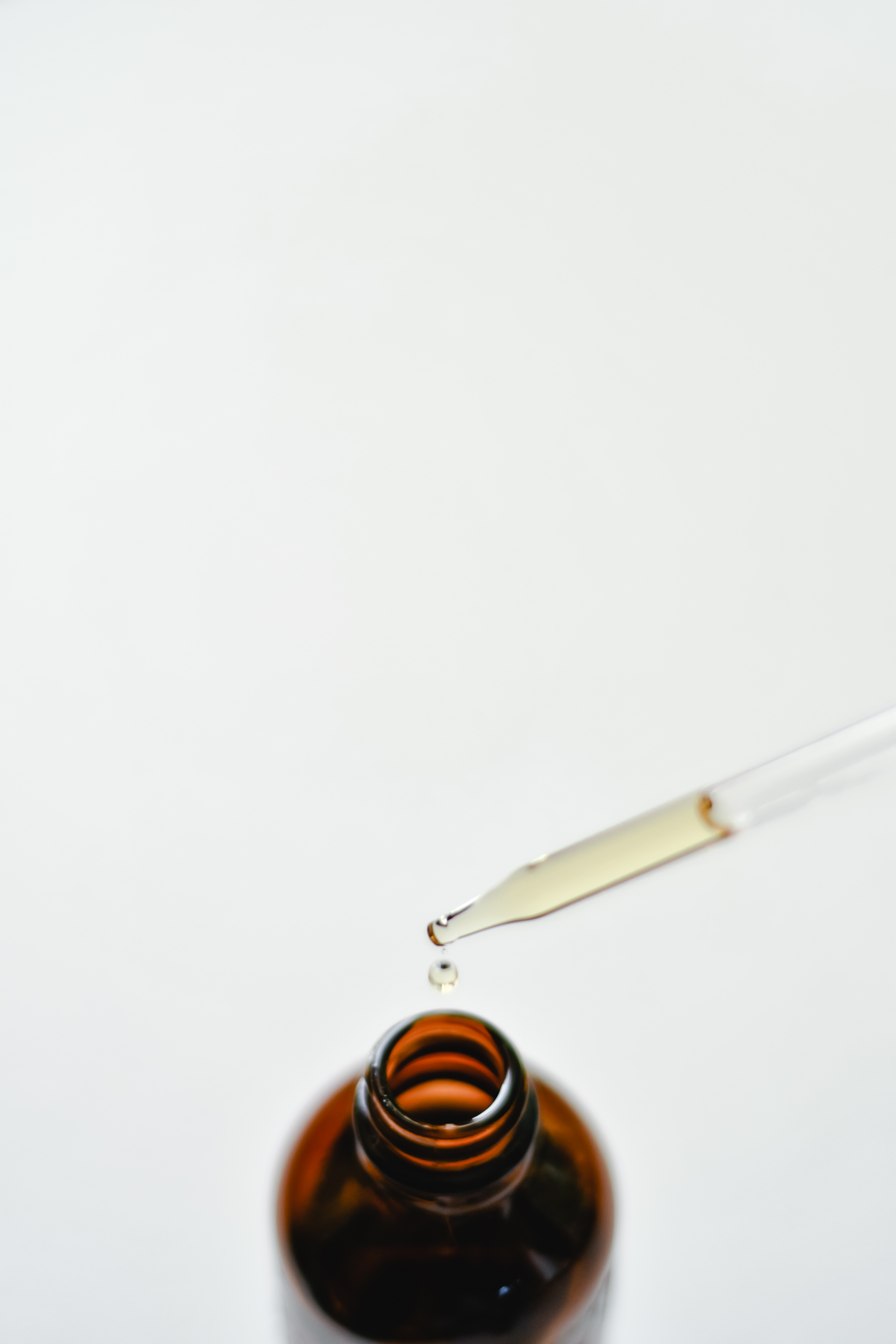
When using CBD for depression, it's important to choose high-quality products from reputable brands. Look for products that have been third-party tested for purity and potency. CBD oil is a popular choice for depression, as it can be easily added to food or drinks or taken sublingually.
It's also important to start with a low dose of CBD and gradually increase it until you find the right dosage for you. CBD can have side effects, such as dry mouth, dizziness, and fatigue, so it's important to monitor how you feel after taking it.
In conclusion, while more research is needed, CBD shows promise as a natural alternative for treating depression. If you're considering using CBD for depression, be sure to consult with a healthcare professional and choose high-quality products from reputable brands.
- Exploring Other Mental Health Conditions that CBD May Help With
Exploring Other Mental Health Conditions that CBD May Help With
CBD has been found to have potential benefits for a range of mental health conditions beyond anxiety and depression. Here are some other mental health conditions that CBD may help with:
PTSD: Post-traumatic stress disorder (PTSD) is a mental health condition that can develop after experiencing or witnessing a traumatic event. CBD has been found to help reduce symptoms of PTSD, such as anxiety and nightmares, by interacting with the body's endocannabinoid system.
Bipolar Disorder: Bipolar disorder is a mental health condition characterized by extreme mood swings, from manic highs to depressive lows. CBD may help stabilize mood and reduce symptoms of bipolar disorder by interacting with the body's endocannabinoid system.
Schizophrenia: Schizophrenia is a mental health condition that affects a person's ability to think, feel, and behave clearly. CBD has been found to have antipsychotic effects and may help reduce symptoms of schizophrenia, such as hallucinations and delusions.
ADHD: Attention deficit hyperactivity disorder (ADHD) is a neurodevelopmental disorder that affects a person's ability to focus and control impulses. CBD may help improve focus and reduce hyperactivity in people with ADHD by interacting with the body's endocannabinoid system.
Obsessive-Compulsive Disorder (OCD): OCD is a mental health condition characterized by obsessive thoughts and compulsive behaviors. CBD may help reduce symptoms of OCD by interacting with the body's endocannabinoid system and reducing anxiety.
While more research is needed to fully understand the potential benefits of CBD for these mental health conditions, early studies and anecdotal evidence suggest that CBD may be a promising treatment option for those who are struggling with these conditions.
Image Source: Unsplash
- Finding the Right CBD Products for Your Mental Health Needs
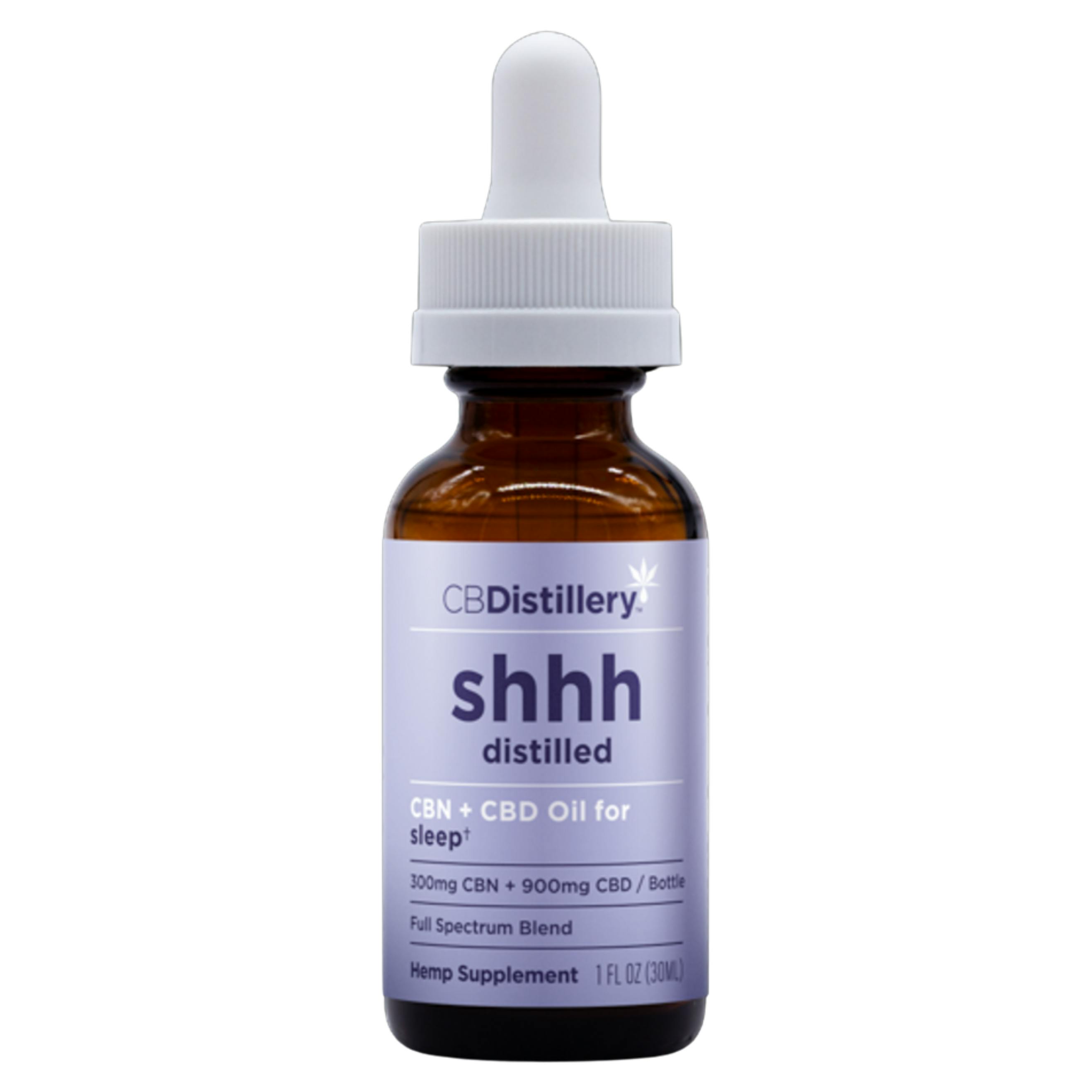
When it comes to using CBD for mental health, finding the right product can make all the difference. With so many options available, it can be overwhelming to know where to start. Here are some tips to help you find the right CBD products for your mental health needs:
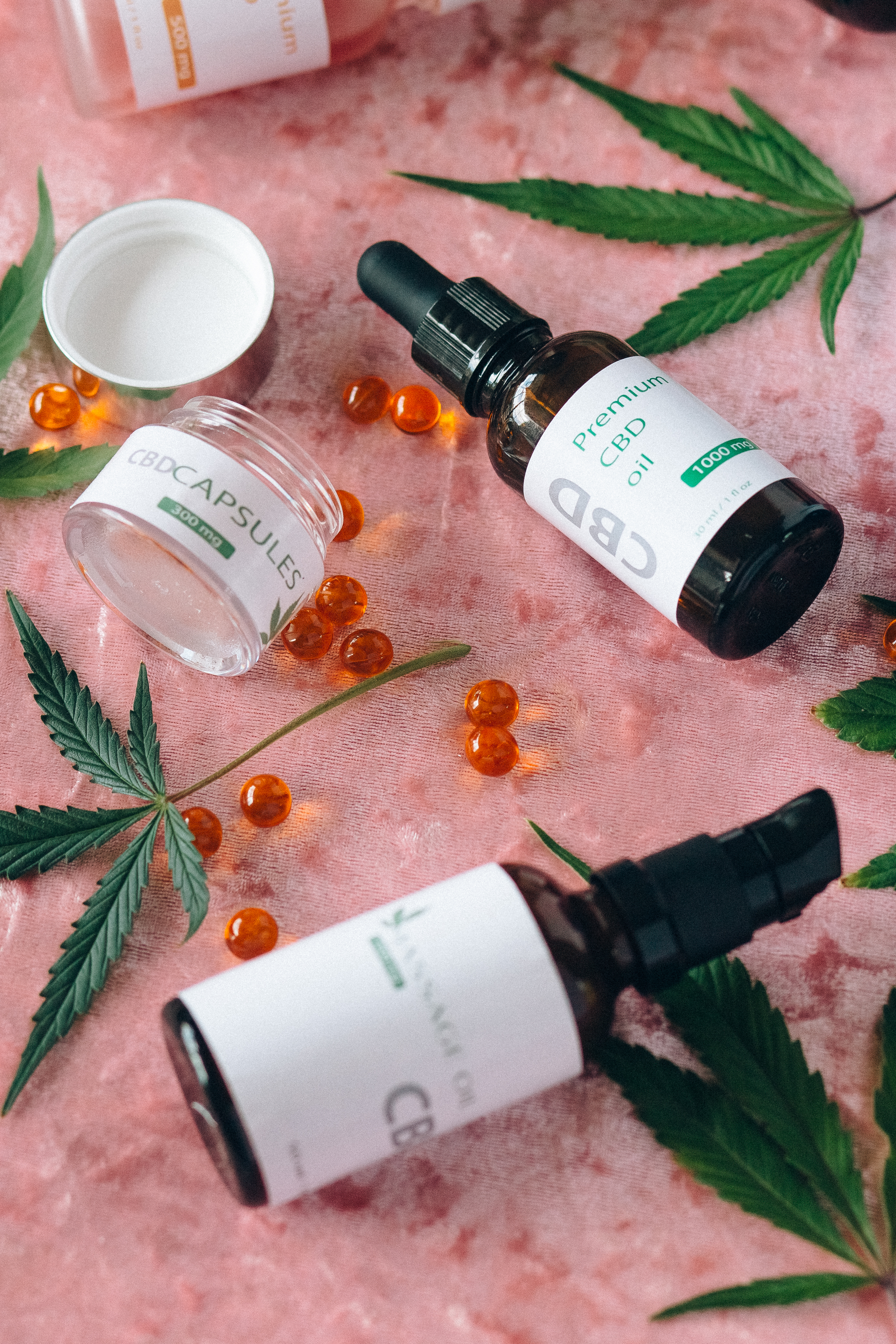
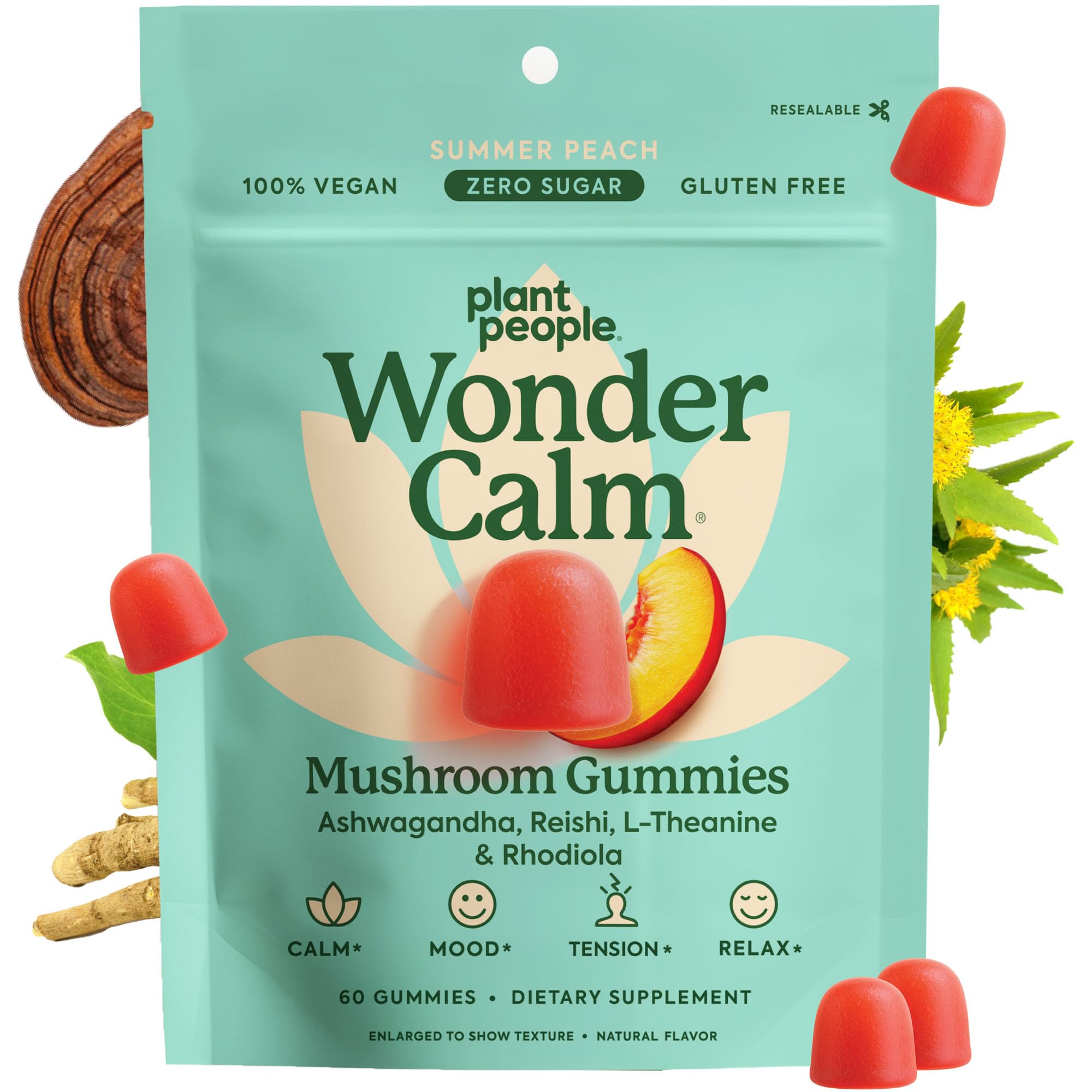
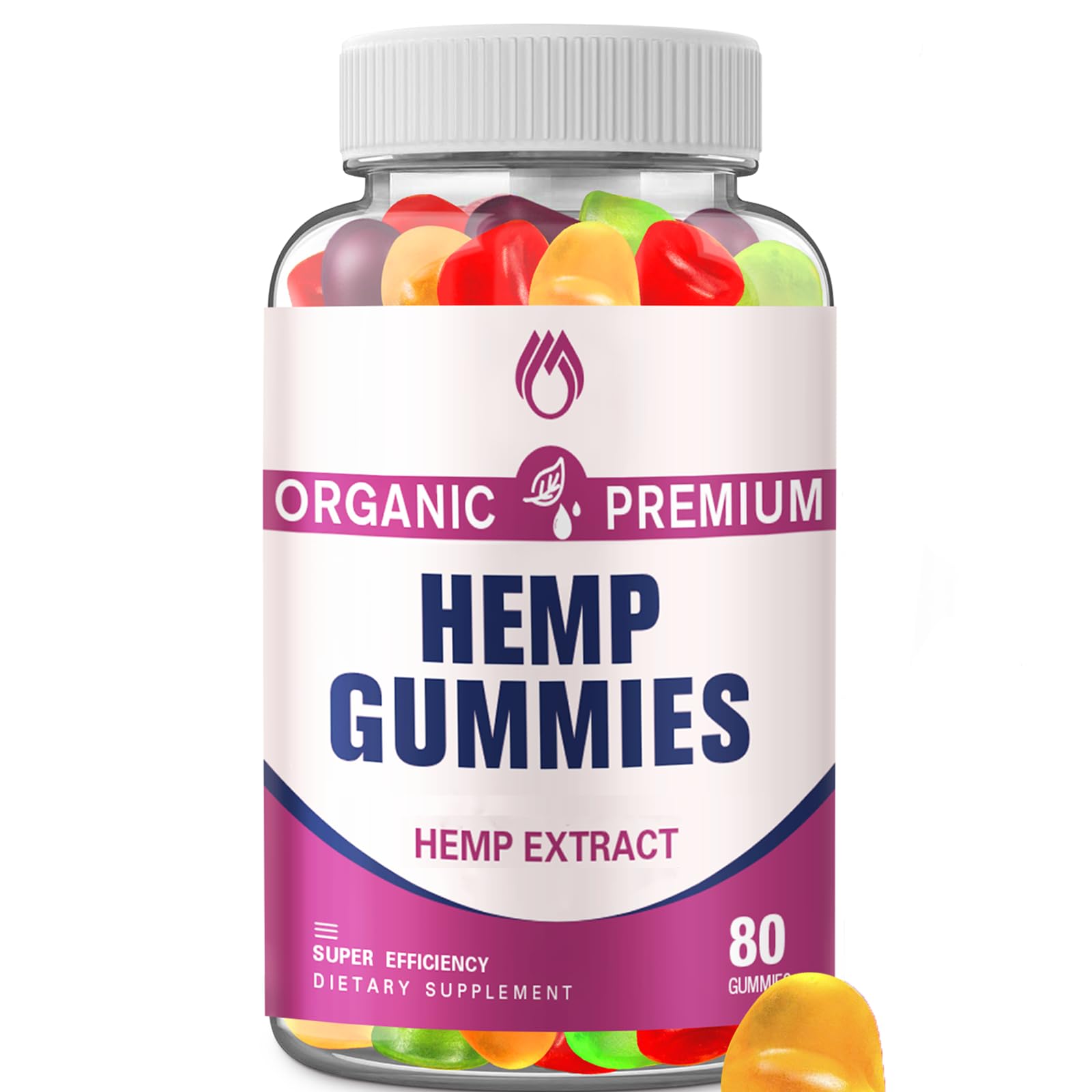
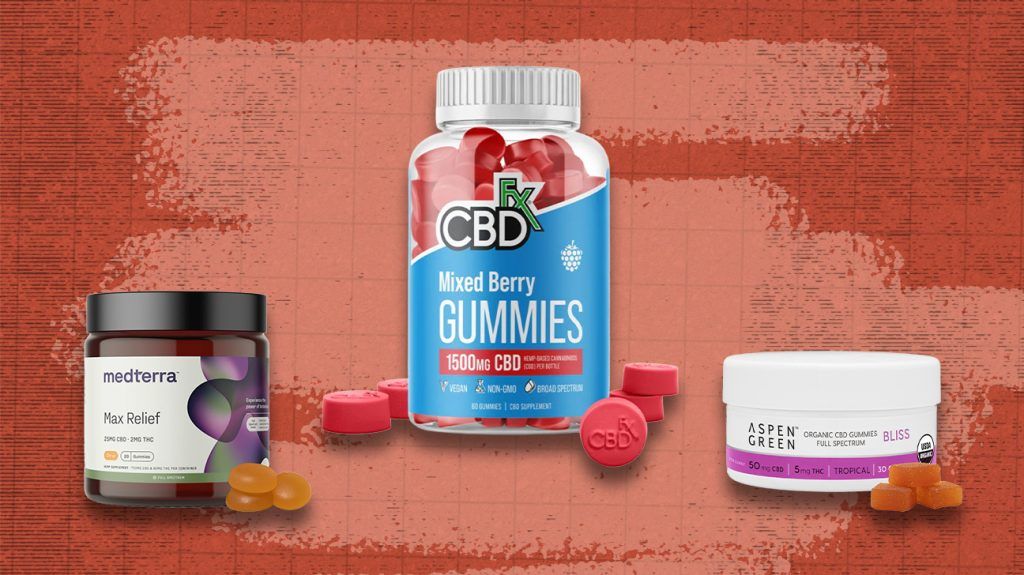
1. Determine your preferred method of consumption: CBD products come in a variety of forms, including oils, capsules, gummies, and topicals. Consider which method of consumption would work best for you based on your lifestyle and personal preferences. 2. Look for high-quality, third-party tested products: It's important to choose CBD products that have been third-party tested for purity and potency. Look for products that have a certificate of analysis (COA) available, which verifies the product's contents. 3. Consider the CBD to THC ratio: While CBD is non-psychoactive, some products may contain small amounts of THC. Consider the CBD to THC ratio when choosing a product, especially if you are sensitive to THC or subject to drug testing. 4. Start with a low dose: It's always best to start with a low dose of CBD and gradually increase as needed. This can help you find the right dosage for your individual needs. 5. Consult with a healthcare professional: If you are unsure about using CBD for mental health or have any underlying health conditions, it's important to consult with a healthcare professional before starting any new supplement regimen.By following these tips, you can find the right CBD products to support your mental health needs. Remember to always choose high-quality, third-party tested products and start with a low dose to find the right dosage for you.
No comments yet. Be the first to share your thoughts!