
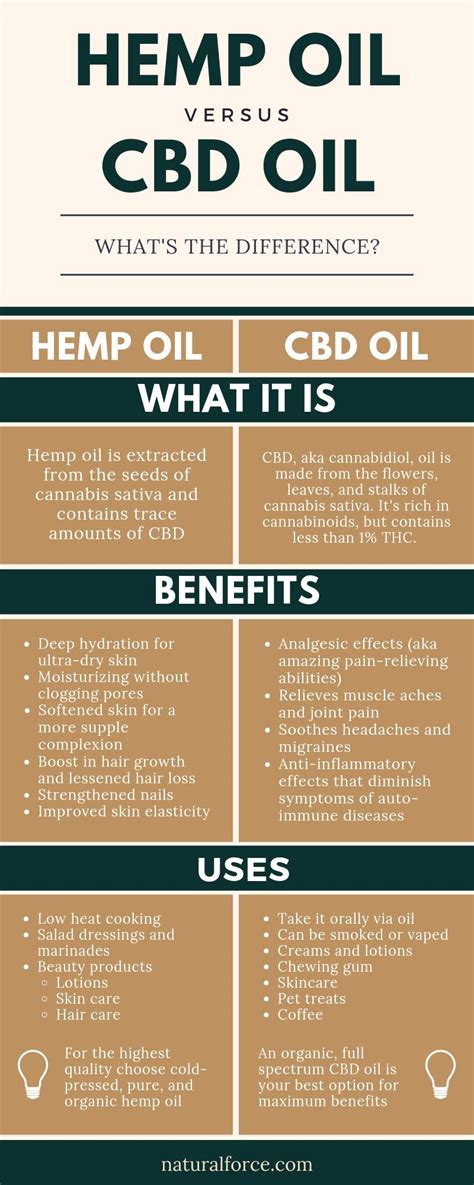
CBD Oil vs Hemp Oil: What is the Real Difference?
Understanding the Fundamental Distinctions
The cannabis industry has experienced tremendous growth in recent years, leading to increased consumer interest in various cannabis-derived products. Among the most commonly confused products are CBD oil and hemp oil. While both originate from the Cannabis sativa plant, they represent distinctly different products with unique compositions, extraction methods, and applications.
This confusion often stems from misleading marketing practices and the interchangeable use of terminology by some manufacturers. Understanding these differences is crucial for consumers seeking specific health benefits and ensuring they purchase the right product for their needs.
Source and Extraction Methods
The primary distinction between CBD oil and hemp oil lies in which part of the Cannabis sativa plant is used for extraction and the resulting chemical composition.
Hemp Oil Extraction: Hemp oil, also known as hemp seed oil, is derived exclusively from the seeds of the hemp plant through a cold-pressing process. This mechanical extraction method preserves the nutritional integrity of the seeds while producing an oil rich in essential fatty acids, vitamins, and minerals. The seeds contain virtually no cannabinoids, including CBD or THC, making hemp oil a purely nutritional product.
CBD Oil Extraction: CBD oil is extracted from the flowers, leaves, and stalks of the hemp plant using various methods including CO2 extraction, ethanol extraction, or solvent-based techniques. These plant parts contain high concentrations of cannabinoids, particularly cannabidiol (CBD), along with other beneficial compounds like terpenes and flavonoids. The extraction process is specifically designed to preserve these active compounds.
CBD Oil vs Hemp Oil: Extraction Methods and Chemical Composition Comparison
| Characteristic | CBD Oil | Hemp Oil (Hemp Seed Oil) | Key Differences |
|---|---|---|---|
| Plant Part Used | Flowers, leaves, and stalks | Seeds only | CBD oil uses aerial parts; hemp oil uses seeds exclusively |
| Extraction Method | CO2 extraction, ethanol extraction, or solvent extraction | Cold-pressing or expeller pressing | CBD requires complex extraction; hemp oil uses simple mechanical pressing |
| CBD Content | 5-30% CBD (varies by product) | 0-0.3% CBD | CBD oil specifically formulated for cannabinoid content |
| THC Content | Less than 0.3% (legal limit) | Less than 0.001% | Both contain minimal THC but hemp oil has virtually none |
| Primary Compounds | Cannabinoids (CBD, CBG, CBN), terpenes, flavonoids | Omega-3 and omega-6 fatty acids, vitamin E, minerals | Completely different chemical profiles and benefits |
| Processing Temperature | Varies (often involves heat) | Cold-pressed (below 120°F) | Temperature affects compound preservation |
| Color and Consistency | Golden to dark amber, thick consistency | Light to dark green, thinner consistency | Visual and texture differences reflect different compounds |
| Typical Uses | Wellness, therapeutic applications, anxiety relief | Nutritional supplement, cooking, skincare | Different intended purposes based on compound profiles |
Chemical Composition and Cannabinoid Content
The chemical profiles of these two oils differ dramatically, which directly impacts their potential benefits and applications.
Hemp Oil Composition: Hemp seed oil contains an impressive nutritional profile including omega-3 and omega-6 fatty acids in an ideal 3:1 ratio, gamma-linolenic acid (GLA), vitamin E, phosphorus, potassium, sodium, magnesium, sulfur, calcium, iron, and zinc. However, it contains negligible amounts of cannabinoids, typically less than 0.001% CBD and virtually no THC.
CBD Oil Composition: CBD oil contains significant concentrations of cannabidiol, typically ranging from 250mg to 5000mg per bottle depending on the product strength. It may also contain other cannabinoids such as CBG, CBN, and trace amounts of THC (less than 0.3% in hemp-derived products). Additionally, full-spectrum CBD oils retain terpenes and flavonoids that contribute to the entourage effect.
Legal Status and Regulatory Considerations
The legal landscape for these products varies significantly based on their cannabinoid content and intended use.
Hemp Oil Legal Status: Hemp seed oil is legal in all 50 states and most countries worldwide since it contains no psychoactive compounds. It is classified as a food product and can be sold without special licensing or restrictions. The FDA recognizes hemp seed oil as Generally Recognized as Safe (GRAS) for food use.
CBD Oil Legal Status: CBD oil derived from hemp (containing less than 0.3% THC) became federally legal in the United States following the 2018 Farm Bill. However, the FDA has not approved CBD as a dietary supplement, and regulations vary by state. Some states have additional restrictions on CBD products, and the regulatory landscape continues to evolve.

Price Considerations and Market Positioning
The pricing structure for these products reflects their different production costs, regulatory requirements, and market positioning.
Average Retail Prices: CBD Oil vs Hemp Oil Cost Comparison
| Product Type | Size/Volume | Active Compound Concentration | Average Retail Price | Cost per mg of Active Compounds |
|---|---|---|---|---|
| Hemp Seed Oil | 30ml bottle | 0mg CBD/THC | $12-18 | N/A (no cannabinoids) |
| Hemp Seed Oil | 100ml bottle | 0mg CBD/THC | $25-35 | N/A (no cannabinoids) |
| CBD Oil (Low Potency) | 30ml bottle | 300mg CBD | $35-50 | $0.12-0.17 |
| CBD Oil (Medium Potency) | 30ml bottle | 600mg CBD | $60-85 | $0.10-0.14 |
| CBD Oil (High Potency) | 30ml bottle | 1000mg CBD | $90-130 | $0.09-0.13 |
| CBD Oil (Extra High Potency) | 30ml bottle | 1500mg CBD | $120-180 | $0.08-0.12 |
| Full Spectrum CBD Oil | 30ml bottle | 750mg CBD + minor cannabinoids | $75-110 | $0.10-0.15 |
| CBD Isolate Oil | 30ml bottle | 1000mg pure CBD | $80-120 | $0.08-0.12 |
Hemp oil typically costs significantly less than CBD oil due to simpler extraction processes, lower regulatory requirements, and abundant raw material availability. A typical 1-ounce bottle of hemp seed oil ranges from $10 to $25, while CBD oil prices vary dramatically based on concentration, ranging from $30 to $200 or more for similar-sized containers.
The price difference reflects the complexity of CBD extraction, third-party testing requirements, and the concentrated nature of active compounds in CBD products. Additionally, CBD manufacturers often invest heavily in research, quality control, and compliance measures that contribute to higher production costs.
Legal Considerations and Market Analysis
The legal landscape surrounding CBD oil and hemp oil varies significantly across jurisdictions. Hemp oil derived from seeds is generally legal worldwide since it contains no psychoactive compounds. CBD oil, however, faces more complex regulations due to its cannabinoid content. In the United States, the 2018 Farm Bill legalized hemp-derived CBD products containing less than 0.3% THC, but individual states may impose additional restrictions.
Understanding these legal distinctions is crucial for consumers and retailers alike. Hemp oil can be sold as a food product or dietary supplement with minimal regulatory oversight, while CBD oil often requires compliance with specific labeling requirements and quality standards.
Legal Status and Regulatory Requirements: CBD Oil vs Hemp Oil by Major Market
| Market/Region | Hemp Oil Legal Status | CBD Oil Legal Status | THC Limit Requirement | Key Regulatory Notes |
|---|---|---|---|---|
| United States | Legal federally | Legal if hemp-derived | 0.3% THC or less | FDA prohibits CBD in food/dietary supplements; state laws vary |
| European Union | Legal | Legal with restrictions | 0.2% THC or less | Novel Food Regulation applies to CBD products; member state variations exist |
| Canada | Legal | Legal | 0.3% THC or less | Health Canada regulates both; CBD products require licensing for therapeutic claims |
| Australia | Legal | Legal with prescription | No specific limit for hemp oil | TGA classifies CBD as prescription medicine; hemp oil unrestricted |
| United Kingdom | Legal | Legal as food supplement | 0.2% THC or less | MHRA regulates CBD products; Novel Food authorization required |
| Germany | Legal | Legal under 0.2% THC | 0.2% THC or less | BfArM oversight; CBD products cannot make medical claims without approval |
Price Analysis and Market Positioning
The pricing structures for CBD oil and hemp oil reflect their different production costs, regulatory requirements, and market positioning. Hemp oil typically costs significantly less than CBD oil due to simpler extraction processes and lower regulatory compliance costs. The hemp seed pressing process is straightforward and can be scaled efficiently, resulting in lower per-unit costs.
CBD oil commands higher prices due to several factors: complex extraction methods requiring specialized equipment, extensive testing for cannabinoid profiles and contaminants, regulatory compliance costs, and higher demand relative to supply. Premium CBD products often undergo additional purification steps and third-party testing, further increasing production costs.
Quality Indicators and Consumer Guidance
When evaluating hemp oil products, consumers should look for cold-pressed, unrefined options that retain maximum nutritional value. Quality hemp oil appears golden-green in color and has a nutty flavor. Third-party testing for heavy metals and pesticides ensures product safety, though this is less common for hemp seed oil than CBD products.
For CBD oil, quality indicators include comprehensive certificates of analysis showing cannabinoid profiles, terpene content, and contaminant testing results. Full-spectrum CBD oils contain additional beneficial compounds that may enhance therapeutic effects through the entourage effect, while isolate products offer pure CBD without other cannabinoids.
Making the Right Choice for Your Needs
The decision between CBD oil and hemp oil ultimately depends on your specific goals and requirements. Hemp oil serves as an excellent nutritional supplement for those seeking omega fatty acids, vitamin E, and general wellness support without cannabinoid effects. It integrates seamlessly into cooking routines and skincare regimens.
CBD oil targets specific therapeutic applications, including stress management, sleep support, and discomfort relief. Those seeking potential benefits from the endocannabinoid system should choose CBD oil, while individuals looking for nutritional supplementation may find hemp oil more appropriate and cost-effective.
Frequently Asked Questions
Both products offer unique benefits within the expanding cannabis wellness market. Understanding their distinct characteristics empowers consumers to make informed decisions aligned with their health goals and legal requirements. As the industry continues evolving, staying informed about product quality standards and regulatory changes remains essential for optimal product selection.
No comments yet. Be the first to share your thoughts!