CBD vs. THC: Understanding the Key Differences and Benefits of Each
When it comes to cannabis, there are two main compounds that people often hear about: CBD and THC. While they both come from the same plant, they have very different effects on the body and mind. Understanding the differences between CBD and THC is important for anyone considering using cannabis products for medicinal or recreational purposes.
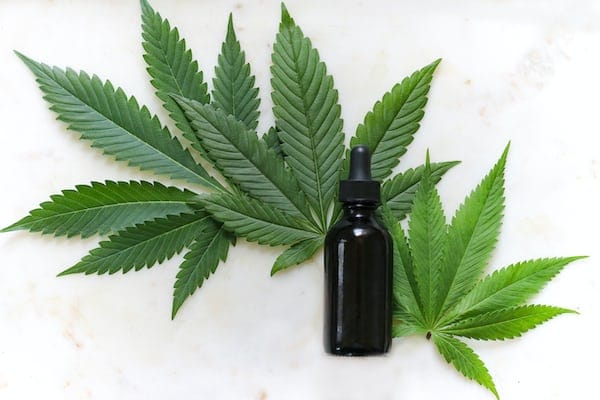
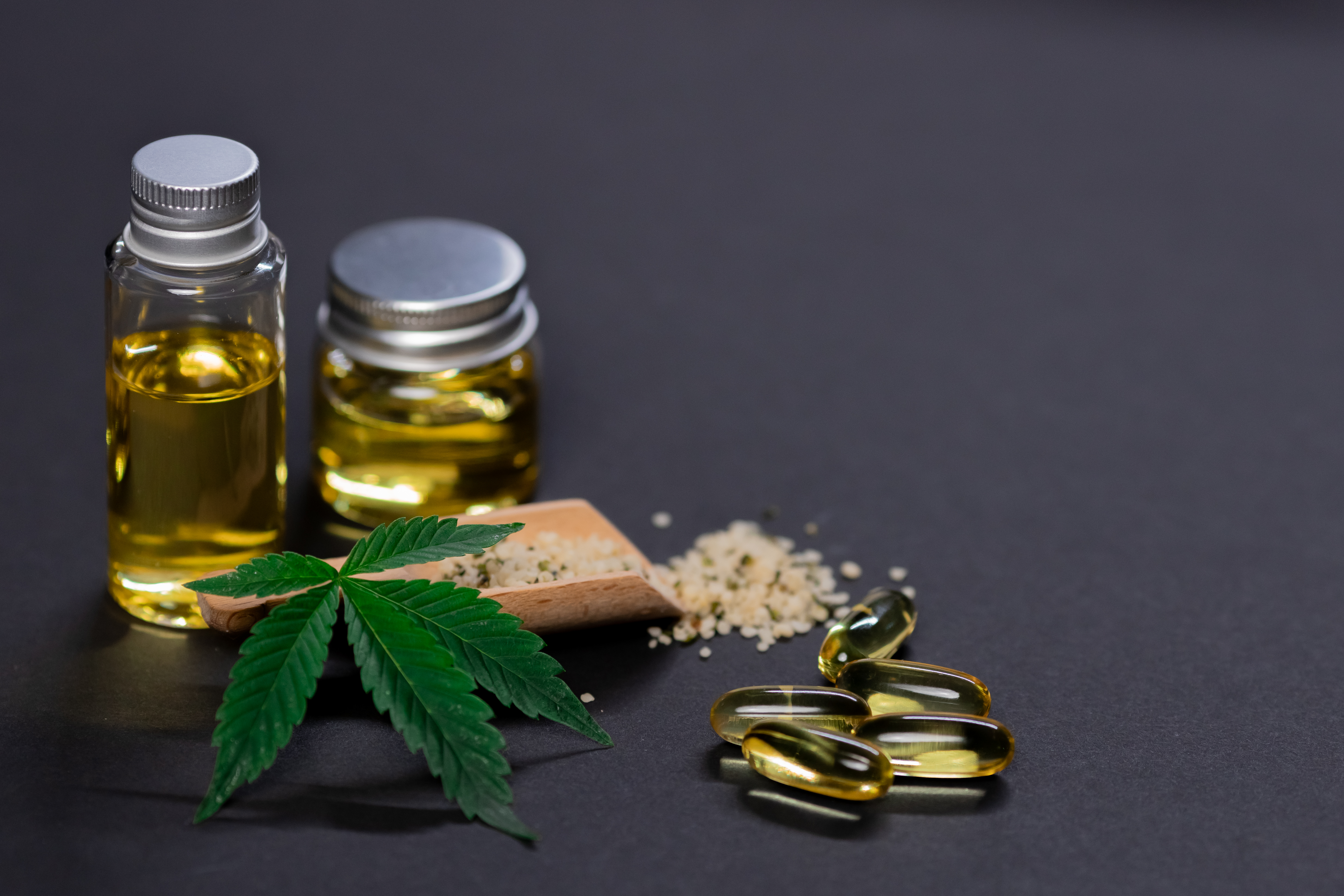
CBD (cannabidiol) is a non-psychoactive compound found in cannabis plants. This means that it does not produce the “high” that is associated with THC. Instead, CBD is known for its potential therapeutic benefits, such as reducing anxiety, inflammation, and pain. It is often used in products like oils, capsules, and topicals.
THC (tetrahydrocannabinol), on the other hand, is the psychoactive compound in cannabis that produces the “high” feeling. It is also known for its potential therapeutic benefits, such as reducing nausea and increasing appetite. THC is typically found in products like edibles, tinctures, and flower.
While both CBD and THC have potential therapeutic benefits, they have different effects on the body and mind. CBD is often preferred for those who want the potential benefits of cannabis without the psychoactive effects, while THC is preferred by those who want to experience the “high” feeling.
It’s important to note that the legality of CBD and THC varies by state and country. Always check your local laws before purchasing or using cannabis products.

Overall, understanding the key differences between CBD and THC is important for anyone considering using cannabis products. Whether you’re looking for potential therapeutic benefits or just want to experience the “high” feeling, there are products available that cater to your needs. Just be sure to do your research and check your local laws before making a purchase.
- What is CBD and THC?
CBD and THC are two of the most well-known cannabinoids found in the cannabis plant. While they share some similarities, they have distinct differences in terms of their effects on the body and mind.
CBD, or cannabidiol, is a non-psychoactive compound found in cannabis. This means that it does not produce the “high” associated with THC. CBD is often extracted from hemp, a variety of cannabis that contains less than 0.3% THC. CBD has gained popularity in recent years for its potential therapeutic benefits, including reducing anxiety, relieving pain, and improving sleep.
THC, or tetrahydrocannabinol, is the psychoactive compound found in cannabis that produces the “high” associated with marijuana use. THC is responsible for the euphoric and relaxing effects of cannabis, as well as its potential therapeutic benefits, such as reducing nausea and increasing appetite.
It’s important to note that while CBD and THC are both cannabinoids found in cannabis, they have different effects on the body and mind. Understanding these differences can help you make informed decisions about which products to use and how to use them.

Image source: https://www.pexels.com/photo/cbd-and-thc-molecule-4173242/
- How do CBD and THC differ?
Both CBD and THC are cannabinoids found in the cannabis plant, but they have different effects on the body. THC is the psychoactive compound that produces the "high" associated with marijuana use, while CBD is non-psychoactive and does not produce a high.
THC binds to the CB1 receptors in the brain and nervous system, which can produce a range of effects, including euphoria, relaxation, altered perception of time, and increased appetite. THC is commonly used for recreational purposes, but it also has some medicinal benefits. It can help with pain relief, nausea, and muscle spasms, and it may also have anti-inflammatory and anti-cancer properties.
CBD, on the other hand, does not bind to the CB1 receptors in the same way as THC. Instead, it interacts with other receptors in the body, including the CB2 receptors, which are found in the immune system. CBD has a range of potential therapeutic benefits, including reducing anxiety and depression, improving sleep, and relieving pain and inflammation. It may also have neuroprotective properties and could be useful in treating conditions such as epilepsy and multiple sclerosis.
It's important to note that CBD products derived from hemp plants contain less than 0.3% THC and are legal under federal law in the United States. However, THC is still illegal in many states, and it's important to check local laws before using any cannabis products.
Overall, while both CBD and THC have potential therapeutic benefits, they differ in their effects on the body and the legal status of their use. Understanding these differences can help you make informed decisions about which products to use and how to use them safely and effectively.
- Benefits of CBD
CBD, or cannabidiol, is a non-psychoactive compound found in the cannabis plant that has been gaining popularity in recent years for its potential therapeutic benefits. Unlike THC, CBD does not produce the “high” associated with cannabis use, making it a more appealing option for those seeking relief without the psychoactive effects.
One of the most well-known benefits of CBD is its ability to reduce anxiety and stress. Studies have shown that CBD can help to reduce symptoms of anxiety disorders, such as social anxiety disorder and post-traumatic stress disorder (PTSD). CBD has also been shown to have anti-inflammatory properties, making it a potential treatment for conditions such as arthritis and multiple sclerosis.
Another potential benefit of CBD is its ability to reduce seizures in people with epilepsy. In fact, the FDA has approved a CBD-based drug called Epidiolex for the treatment of two rare forms of epilepsy.
Additionally, CBD has been shown to have potential benefits for those with substance abuse disorders. Studies have found that CBD may help to reduce drug cravings and withdrawal symptoms, making it a potential treatment option for those struggling with addiction.
When it comes to skincare, CBD has also been gaining attention for its potential benefits. CBD may help to reduce inflammation and redness in the skin, making it a potential treatment for conditions such as acne and eczema. CBD may also have anti-aging properties, as it has been shown to reduce the appearance of fine lines and wrinkles.
Overall, CBD has a wide range of potential benefits and is being studied for its potential use in treating a variety of conditions. However, it is important to note that more research is needed to fully understand the effects of CBD and its potential uses.
- Benefits of THC
While CBD has gained a lot of attention in recent years, THC (tetrahydrocannabinol) is another compound found in the cannabis plant that has its own unique benefits. THC is the psychoactive compound that is responsible for the "high" associated with marijuana use. However, THC also has a number of potential health benefits that are worth exploring.
Pain Relief: THC has been shown to be effective in reducing pain, particularly chronic pain that is difficult to manage with traditional medications. It works by binding to the CB1 receptors in the brain and nervous system, which can help to reduce inflammation and alleviate pain.
Appetite Stimulation: THC is also known for its ability to stimulate appetite, which can be helpful for people who are undergoing chemotherapy or suffering from conditions that cause a loss of appetite. It can also be beneficial for people who struggle with eating disorders or other conditions that affect their ability to eat.
Muscle Relaxation: THC has muscle relaxant properties that can be helpful for people who suffer from muscle spasms or other conditions that cause muscle tension. It can also be beneficial for people who have trouble sleeping due to muscle pain or discomfort.
Mood Enhancement: THC has been shown to have mood-enhancing effects, which can be helpful for people who suffer from depression or anxiety. It works by binding to the CB1 receptors in the brain, which can help to regulate mood and reduce feelings of anxiety or stress.
It's important to note that THC can have side effects, including impaired memory and coordination, and it can also be addictive for some people. However, when used responsibly and under the guidance of a healthcare professional, THC can be a valuable tool for managing a variety of health conditions.

Overall, while CBD and THC are both compounds found in the cannabis plant, they have different effects on the body and mind. Understanding the benefits and potential risks of each can help you make informed decisions about which products to use and how to use them.
- Which is right for you: CBD or THC?
When it comes to choosing between CBD and THC, it ultimately depends on what you are looking for. Both CBD and THC are compounds found in the cannabis plant, but they have different effects on the body.
CBD is non-psychoactive, meaning it does not produce the “high” associated with marijuana use. Instead, CBD is known for its therapeutic benefits, such as reducing anxiety, inflammation, and pain. It is also used to treat epilepsy and other seizure disorders. CBD is legal in many countries, including the United States, as long as it contains less than 0.3% THC.
THC, on the other hand, is psychoactive and produces the “high” associated with marijuana use. It is used for recreational purposes and also has therapeutic benefits, such as reducing pain and nausea. THC is legal in some countries, but it is still illegal under federal law in the United States.
So, which one is right for you? If you are looking for therapeutic benefits without the psychoactive effects, CBD may be the better choice. However, if you are looking for a recreational experience or have a medical condition that requires the psychoactive effects of THC, then THC may be the better choice.
It is important to note that the effects of both CBD and THC can vary depending on the individual and the method of consumption. It is always recommended to consult with a healthcare professional before using any cannabis products, especially if you are taking any medications or have any underlying medical conditions.
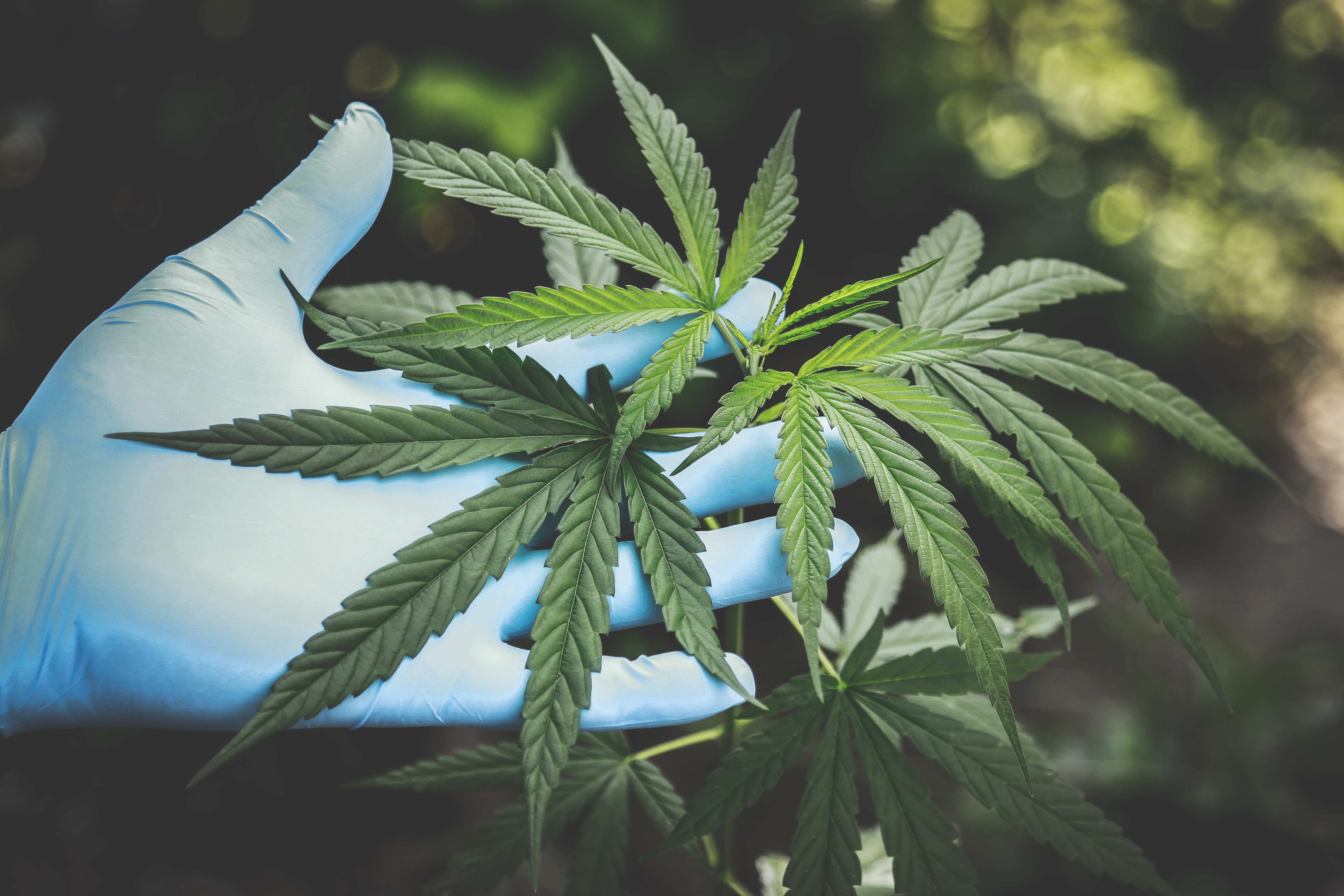
Ultimately, the choice between CBD and THC comes down to personal preference and what you are looking to achieve. With the growing popularity of CBD and the legalization of marijuana in many countries, it is important to understand the differences between these compounds and their potential benefits.

No comments yet. Be the first to share your thoughts!