
What MindCBD Offers Shoppers
MindCBD operates as a dual-purpose entity in the wellness space. It is a French brand producing hemp-derived products using organic European hemp, and it functions as a directory to help consumers locate local retailers. This distinction matters: when you see MindCBD branding, it could refer to the direct-to-consumer products sold through their official channels or the third-party shops listed in their local finder tool.
The brand emphasizes quality control and transparent sourcing for its own product line. Their direct offerings are designed for consumers who prefer buying from the manufacturer. However, the directory aspect serves a different need—connecting shoppers with nearby physical stores that carry CBD products, including potentially MindCBD’s own line or other brands.
MindCBD serves as both a producer of European hemp-derived products and a directory for finding local retailers.
Understanding this split helps you choose the right purchasing channel. If you want specific product details or bulk orders, the direct brand site is the source. If you need to see what is available in your immediate area, the directory feature is the appropriate tool. This separation ensures you are dealing with the correct entity for your specific shopping intent, whether that is online convenience or local in-store experience.
Finding Verified CBD Retailers Nearby
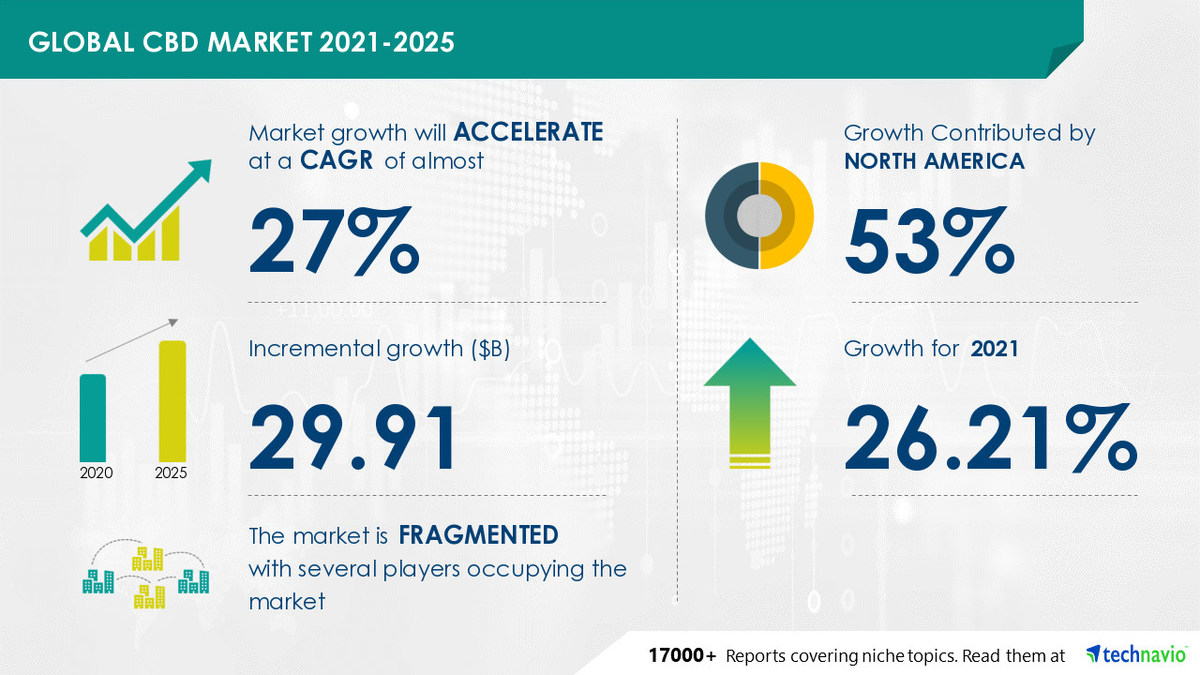
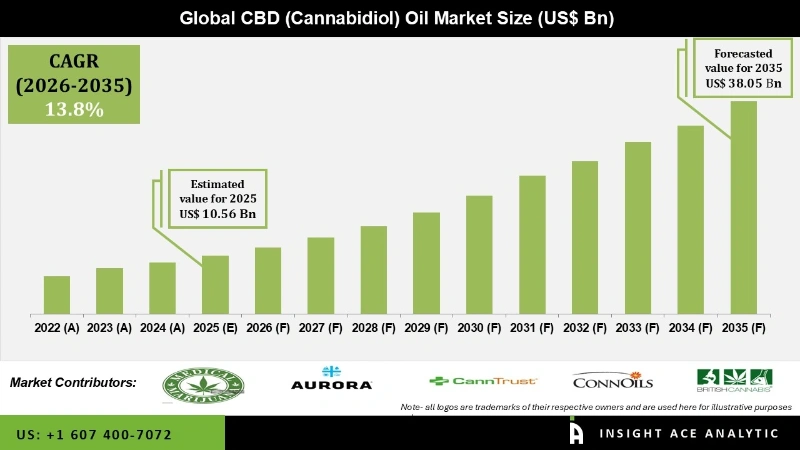
Locating a trustworthy physical store requires more than a standard search engine query. The local CBD market is fragmented, with independent shops, wellness centers, and specialty boutiques operating under varying standards. To ensure you find a legitimate retailer, prioritize listings that have been verified for current operational status and product transparency.
Check Operational Status First
The most critical step is confirming the store is open. Many CBD retailers have closed or relocated since the market shifted in recent years. Relying on outdated directory listings can lead to wasted trips. Look for platforms that display real-time status indicators or recent customer check-ins. If a listing shows no recent activity or explicitly states "closed," skip it. This is especially important in major metro areas where turnover is high.
Look for Transparency and Verification
Verified retailers typically display third-party lab results (COAs) either in-store or on their website. This transparency is the strongest indicator of a shop’s commitment to quality. When browsing local directories, favor businesses that link to their product sourcing or have a physical address that matches their business registration. Avoid listings that lack contact information or seem to be generic aggregators without local oversight.
Use Interactive Maps for Precision
Interactive maps provide a clearer picture of local availability than text-only lists. They allow you to see the density of verified shops in your area and check distances from your location. Use these tools to filter for "verified" or "top-rated" businesses to narrow down your options. This visual approach helps you identify clusters of reputable retailers, making it easier to compare hours, services, and proximity in one view.
Evaluating Product Quality and Sourcing
When you find a local shop or a brand like MindCBD, the first step is verifying how the product was made. Not all CBD is created equal. The difference between a standard product and a premium one often comes down to three factors: where the hemp grows, which parts of the plant are used, and who checks the final result.
Organic Sourcing
The quality of CBD starts with the soil. Hemp is a bio-accumulator, meaning it absorbs whatever is in the ground, including heavy metals and pesticides. Choosing products made from organic hemp grown in regulated regions like Europe or the United States reduces the risk of contaminants.
For example, MindCBD sources its hemp from organic farms in Europe, ensuring the plants are grown without synthetic chemicals. Similarly, brands like MONTKUSH highlight USDA Organic certification for their US-grown hemp. This certification provides a verifiable trail from the field to the bottle, giving you confidence that the extract is clean.
Spectrum Type
CBD products generally fall into three categories: full-spectrum, broad-spectrum, and isolate. Understanding these helps you pick what fits your needs.
- Full-spectrum: Contains all compounds found in the hemp plant, including trace amounts of THC (less than 0.3% in the US). This is often preferred for the "entourage effect," where compounds work together.
- Broad-spectrum: Contains multiple cannabinoids and terpenes but has had all THC removed. This is a good middle ground for those who want the benefits of multiple compounds without any THC.
- Isolate: Pure CBD, with all other plant materials removed. This is the safest choice if you must avoid THC entirely due to drug testing or sensitivity.
Third-Party Testing
No product should leave the lab without an independent Certificate of Analysis (COA). This document proves what is actually in the bottle. A reputable brand will make these COAs easy to find, usually via a QR code on the packaging or a link on their website.
Look for these specific details in the COA:
- Potency: Does the CBD content match the label?
- Purity: Are there no pesticides, heavy metals, or solvents?
- Microbials: Is the product free from mold and bacteria?
If a shop cannot provide a recent COA for a specific batch, it is best to walk away. Transparency is the strongest indicator of a trustworthy local vendor.
Product Comparison
The table below compares key features of MindCBD products against typical local shop inventory to help you evaluate options.
| Feature | MindCBD | Typical Local Shop | Why It Matters |
|---|---|---|---|
| Hemp Origin | Organic European Hemp | Varies (US or Imported) | Organic farming reduces pesticide risk. |
| Spectrum Options | Full & Broad Spectrum | Often Full Spectrum Only | Broad spectrum offers THC-free options. |
| Third-Party Testing | COAs Available Online | Often On Request or In-Store | Independent verification ensures safety. |
| Product Range | Oils, Capsules, Topicals | Oils, Gummies, Topicals | Format affects absorption and convenience. |
2026 Trends in Local CBD Retail
The local CBD market in 2026 is shifting away from generic dispensary models toward specialized, quality-focused retailers. Consumers are increasingly prioritizing third-party lab results and organic certification over price alone. This trend has led to a consolidation of trusted local brands that emphasize transparency and sustainable sourcing.
Organic certification has become a primary selection criterion. Shoppers now look for USDA Organic or FSA-approved labels to ensure products are free from pesticides and heavy metals. Retailers that stock certified organic items, such as those from Body and Mind Botanicals or MONTKUSH, are gaining market share among health-conscious buyers. This shift reflects a broader demand for verifiable quality in the wellness sector.
Local shops are also adapting by curating smaller, high-quality inventories rather than carrying hundreds of SKUs. This curation helps staff provide better guidance on product selection, from oils to topicals. The focus is on building long-term customer relationships through education and consistent product availability. As the market matures, the distinction between casual vendors and dedicated wellness providers is becoming clearer.
Checklist for Your First CBD Purchase
Buying CBD locally is about verification, not just convenience. Before you hand over cash, treat the product like any other consumable where safety data matters. A trusted shop will have documentation ready, not hidden in a drawer.
Every reputable brand provides a Certificate of Analysis (COA) from an independent lab. This document proves what is in the bottle. Check that the batch number on the jar matches the COA exactly. If the shop cannot produce this, put the product back.
Look for products made from organic hemp grown in regulated regions, such as the EU or the US. The extraction method should be CO2 or ethanol, avoiding harsh solvents. Brands like Mind CBD emphasize organic sourcing and strict production methods to ensure purity. Avoid products with no clear origin story.
Even "THC-free" products may contain trace amounts. Ensure the label clearly states the THC content is below the legal limit (0.3% in the US, 0.2% in the EU). The label should also list the total CBD content in milligrams, not just a vague "full spectrum" claim without numbers.
CBD degrades in light and heat. Reputable shops store products in cool, dark places. The bottle should be amber or opaque to protect the oil. Check for tamper-evident seals. If the oil looks separated or cloudy (unless it is a full-spectrum raw extract), it may have been improperly stored or manufactured.
By following these steps, you shift from guessing to knowing. You are not just buying a bottle; you are buying into a supply chain that values transparency. This approach protects your health and supports businesses that prioritize quality over quick sales.
Common Questions About MindCBD
Finding reliable local sources for MindCBD products often raises specific questions about legality, certification, and availability. Below are answers to the most frequent consumer queries to help you evaluate your local market options.
No comments yet. Be the first to share your thoughts!