

The Current State of CBD Testing
Buying CBD is, frankly, a bit of a gamble right now. The industry is plagued by inconsistency. You can send the same CBD product to multiple labs and get remarkably different results. This stems from a lack of standardized testing protocols and a wide variation in the quality of equipment and expertise across different facilities.
The FDA’s oversight of CBD is limited. While they have issued warnings to companies making unsubstantiated health claims, their authority to regulate CBD as a food or dietary supplement remains unclear. As the FDA themselves state, they’ve received numerous reports of adverse events related to CBD products, fueling concerns about safety and quality (fda.gov).
A 2020 report by the Congressional Research Service highlighted the enforcement challenges the FDA faces in regulating the CBD market (congress.gov). The sheer volume of products, coupled with the agency’s limited resources, makes it difficult to effectively monitor the industry. This creates a situation where mislabeled products – containing different cannabinoid levels than advertised, or even illegal substances – can easily slip through the cracks.
Consumers are left in a difficult position. They want the potential benefits of CBD, but they lack reliable ways to verify product quality. Relying solely on brand claims is risky. Many companies aren't transparent about their testing procedures or willing to share detailed lab reports. This lack of transparency erodes trust and makes it hard to make informed purchasing decisions.
How algorithms read lab reports
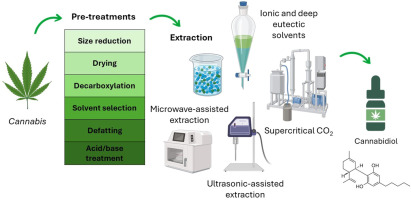
Enter machine learning. It’s not a replacement for rigorous lab testing, but a powerful tool to enhance it. Imagine feeding a machine learning algorithm thousands of HPLC-DAD reports, gas chromatography-mass spectrometry (GC-MS) data sets, and other analytical results. The algorithm can learn to identify subtle patterns and inconsistencies that a human analyst might miss.
These algorithms don't 'see' things the way we do. They identify statistical anomalies: unexpected peaks in a chromatogram, unusual ratios of cannabinoids, or deviations from expected values. That’s how they flag potentially problematic products. This isn't about automating the entire testing process. It’s about providing an extra layer of scrutiny and helping to prioritize samples for further investigation.
The power lies in the scale. A human analyst can review a limited number of reports. A well-trained machine learning model can process vast amounts of data quickly and efficiently. This allows for more comprehensive quality control and helps to identify potential issues before they impact consumers.
Predicting Cannabinoid Profiles
Machine learning models can go beyond simply identifying problems in existing products. They can also predict the cannabinoid profile of a product based on its origins. Knowing the hemp strain, growing conditions (soil type, climate, etc), and extraction method allows for a reasonable guess at the final chemical composition.
This isn’t fortune telling, of course. It relies on historical data and statistical correlations. However, it opens up the possibility of identifying products that are likely to be problematic before they are even manufactured. For example, a model might flag a particular hemp strain as being prone to producing high levels of delta-9 THC, even if it's legally considered hemp.
Predictive modeling can also help identify products that are likely to contain contaminants. If a particular growing region is known to have soil contaminated with heavy metals, the model can flag products sourced from that region as being high-risk.
Spotting Adulteration and Contaminants
One of the most concerning issues in the CBD market is adulteration – the addition of synthetic cannabinoids to boost potency or mimic the effects of natural CBD. These synthetic compounds can be dangerous and have been linked to serious health problems. AI can be trained to detect these subtle differences.
Machine learning algorithms excel at identifying anomalies in complex data. They can analyze analytical reports and pinpoint subtle variations that might indicate the presence of synthetic cannabinoids. This is often done by looking for unusual peaks or patterns in the chromatogram that don’t correspond to known natural cannabinoids.
Similarly, AI can be used to detect contaminants like pesticides, heavy metals, and residual solvents. These contaminants can be harmful to human health and are often present in CBD products due to poor manufacturing practices. The algorithms learn what 'clean' data looks like and then flag anything that deviates from that baseline.
Top AI-Powered CBD Analysis Tools
The market for AI-powered CBD analysis is still emerging, but several companies are leading the way. These tools aim to provide more accurate and reliable product assessments for both businesses and consumers. Here are a few noteworthy examples:
Brightfield Group: While primarily a market research firm, Brightfield Group utilizes AI to analyze CBD market trends and product data. They provide insights into product formulations, consumer preferences, and regulatory changes, which can be invaluable for businesses. Their data-driven approach helps companies make informed decisions about product development and marketing.
Certell: Certell offers a comprehensive testing platform that incorporates AI-powered data analysis. They focus on providing accurate and reliable cannabinoid profiles, as well as detecting contaminants and adulterants. Certell emphasizes transparency and provides detailed certificates of analysis (COAs) for all tested products.
Kaycha Labs: Kaycha Labs is a well-established cannabis and hemp testing laboratory that has integrated AI into its analytical processes. Their AI-powered system helps to automate data analysis, improve accuracy, and reduce turnaround times. They offer a wide range of testing services, including cannabinoid potency, terpene analysis, and contaminant screening.
Green Leaf Labs: Green Leaf Labs employs machine learning algorithms to identify inconsistencies and anomalies in CBD product data. They specialize in detecting adulterants and contaminants, ensuring that products meet safety and quality standards. They provide detailed COAs and support businesses in maintaining product compliance.
Analytical 360: This lab utilizes advanced analytical techniques and AI-powered data analysis to provide accurate and reliable CBD testing services. They offer a comprehensive suite of tests, including cannabinoid potency, terpene profiling, and contaminant screening. Analytical 360 focuses on providing data-driven insights to help businesses optimize their products.
What comes next for testing
The integration of AI into CBD quality control is just beginning. We can expect to see even more sophisticated applications in the coming years. Real-time monitoring of production processes, using sensors and AI algorithms, could become commonplace. This would allow manufacturers to identify and correct problems before they impact product quality.
Personalized CBD recommendations, based on individual needs and genetic profiles, are another possibility. AI could analyze a person’s health data and recommend specific CBD products and dosages. The development of new AI-powered testing methods, capable of detecting even trace amounts of contaminants, is also likely.
However, regulatory hurdles remain. The FDA needs to establish clear guidelines for the use of AI in CBD testing and quality control. Transparency and consumer trust will be the biggest drivers of change. As consumers become more aware of the benefits of AI-powered analysis, they will demand it from the brands they choose.
Featured Products
Tests for CBD potency · Designed for at-home use · Provides quantitative results
This kit allows consumers to independently verify the CBD potency of their products at home, ensuring they receive the advertised concentration.

Detects surface residue of THC and CBD · Rapid results · Includes one mobile detection pouch
This kit offers a quick and convenient way to check for the presence of THC and CBD residue on surfaces, useful for ensuring product integrity or testing for accidental contamination.
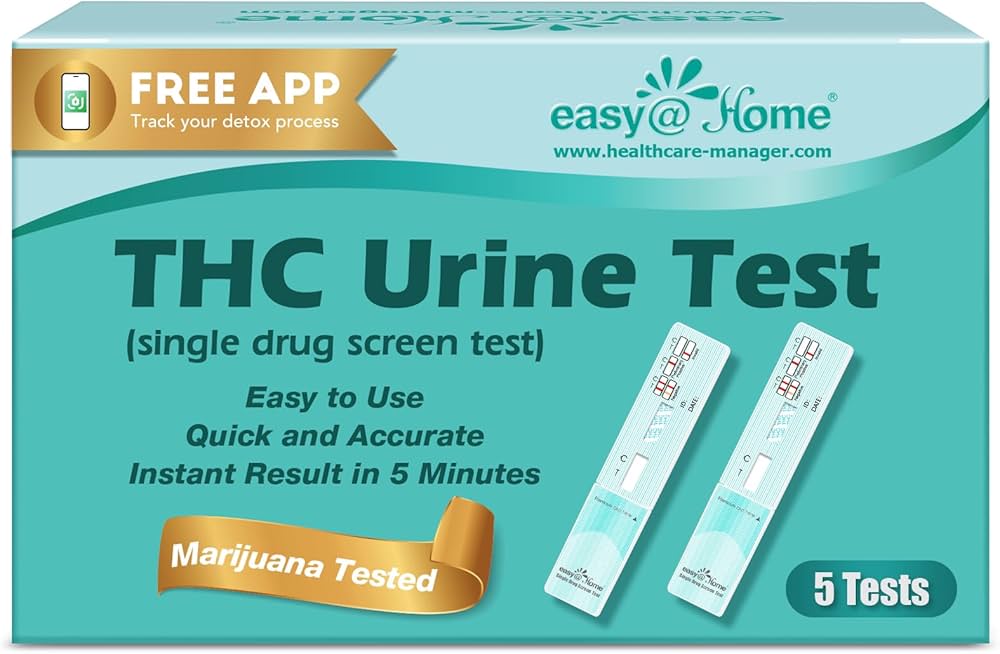
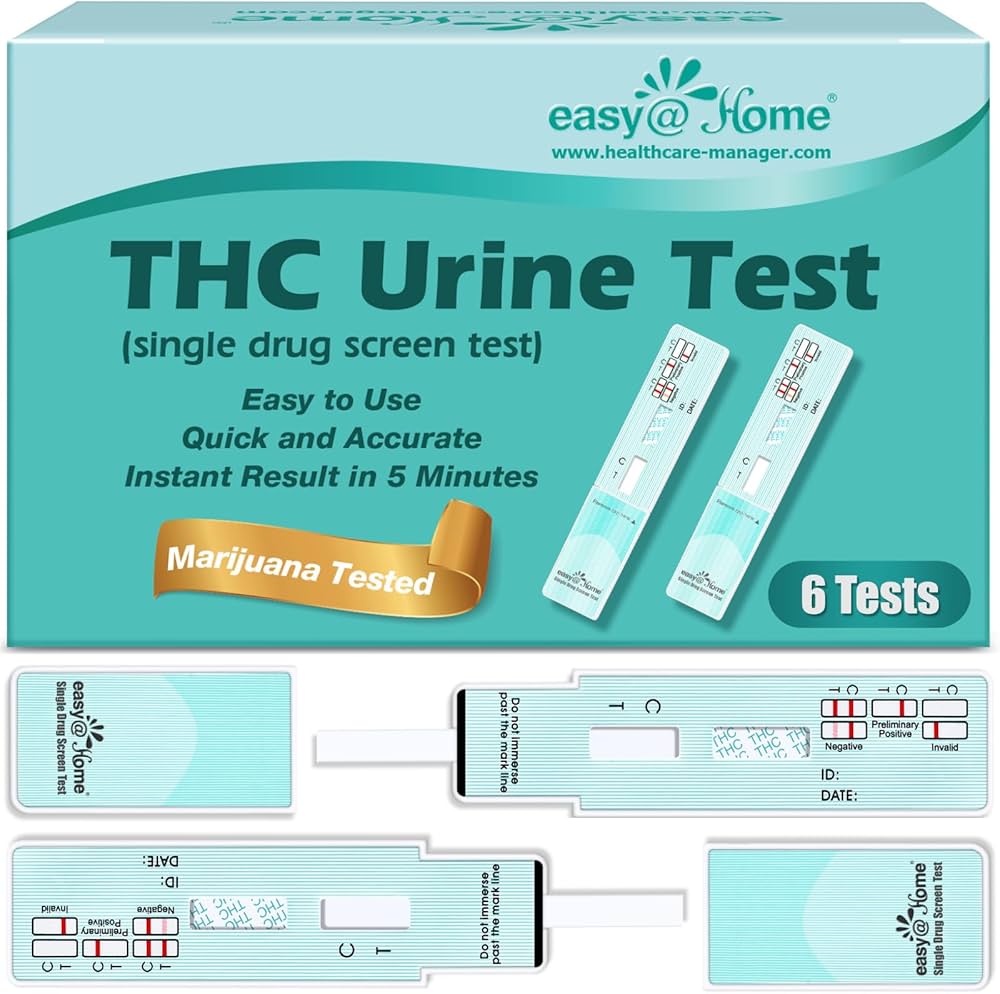
Tests for THC content · Suitable for home use · Helps confirm product compliance
This test kit enables users to confirm the absence of THC in hemp oil products, providing peace of mind and verifying compliance with legal standards.
Tests CBD concentration · Intended for home laboratory use · Aids in quality assurance
This at-home kit empowers users to assess the CBD concentration in their products, offering a direct method for quality control and verification.
As an Amazon Associate I earn from qualifying purchases. Prices may vary.
How to vet your next purchase
Even with the advancements in AI-powered analysis, consumers still need to be diligent when purchasing CBD products. Don’t rely solely on marketing claims or brand promises. Here’s a checklist to help you make informed decisions:
Look for Third-Party Testing: Ensure the product has been tested by an independent, accredited laboratory. This is the most important step you can take.
Check the Certificate of Analysis (COA): Examine the COA carefully. Verify that the cannabinoid levels match the product label and that the product is free of contaminants.
Research the Brand’s Reputation: Look for brands that are transparent about their sourcing, manufacturing processes, and testing procedures. Read reviews and check for any complaints or recalls.
Consider AI-Powered Analysis: If available, choose products that have been analyzed using AI-powered tools. This can provide an extra layer of assurance.


No comments yet. Be the first to share your thoughts!