
The shift toward smart CBD
For years, using CBD has felt a bit like trial and error. You start with a dose, see how it affects you, and adjust from there. It’s a remarkably imprecise process, and honestly, a lot of people end up guessing. Now, we’re seeing a wave of products promising to change that, utilizing artificial intelligence to personalize the CBD experience. This isn’t just about bigger doses; it's about smarter doses, tailored to your individual needs.
A system that learns your body’s response and adjusts the dose is a great idea, but it relies on massive data collection. The FDA hasn't approved most of these products yet, and their rules change constantly. Without federal oversight, you're responsible for vetting the quality of what you buy.
I think it's wise to approach this new generation of products with a healthy dose of skepticism. While the potential is undeniable, we're still in the early stages. A 2022 report from PMC (ncbi.nlm.nih.gov) emphasizes the need for rigorous testing and standardization of cannabis products to ensure safety and efficacy. The promise of AI-driven personalization is exciting, but it needs to be built on a foundation of reliable data and robust quality control. It’s a developing area, and we’ll need to see how it unfolds.
How personalized dosing actually works
At the heart of smart CBD dosing are systems designed to gather information about your body and adjust your CBD intake based on that data. This typically involves a combination of biometric sensors, data analysis, and a feedback loop. For example, a wearable device might track your heart rate variability (HRV) – a measure of your nervous system’s health – and your sleep patterns. This data is then fed into an algorithm that attempts to correlate these metrics with your optimal CBD dosage.
Ideally, the system would work like this: you start with a baseline dose, and the sensors continuously monitor your physiological responses. If the algorithm detects signs of stress or poor sleep, it might suggest a slight increase in dosage. Conversely, if it detects signs of relaxation or improved sleep, it might suggest a decrease. This is a continuous process of adjustment, aiming to find the "sweet spot" where CBD is most effective for you.
However, there are significant hurdles. Data privacy is a major concern. These systems collect highly personal health information, and it’s crucial that this data is securely stored and protected from unauthorized access. The potential for misuse is real. Ensuring data anonymity and obtaining informed consent are essential, but not always easy to guarantee. There’s a lot of trust involved, and companies need to be transparent about how they’re handling user data.
The 2026 product lineup
By 2026, we're seeing a wider range of AI-enhanced CBD products hitting the market. The approaches vary significantly, and the level of AI integration also differs. It’s not a uniformly "smart" landscape. Here's a look at some of the key players and what they offer.
Inhalers: The 'AuraSense' inhaler ($299) by CannVerify uses a built-in sensor to measure your breath rate and heart rate while you inhale. It then adjusts the dosage of CBD delivered with each puff. It relies heavily on user input about their perceived anxiety levels, which is a limitation. Wearables: 'CalmWear' ($349) is a wristband that tracks sleep, activity, and HRV. It uses a proprietary algorithm to recommend a daily CBD capsule dosage. The algorithm is a bit of a black box, and it's unclear how it weights different factors.
Sublingual Sprays: 'DoseWise' ($199) is a sublingual spray with a connected app. The app asks you to rate your stress and pain levels after each dose, and the algorithm uses this feedback to adjust subsequent dosages. It's largely self-reported data, so its accuracy depends on user honesty and awareness. Capsules with NFC Tags: 'MediTag' ($149 for a 30-day supply) embeds an NFC tag into each capsule. When scanned with a smartphone, the tag records the time and dosage. The app uses this data to identify patterns and suggest optimal timing for your doses. It’s more about tracking than active adjustment.
Smart Patches: 'Transdermal AI' ($79 for a 7-day supply) is a transdermal patch that delivers CBD through the skin. It uses a small biosensor to monitor skin hydration and temperature, attempting to adjust the release rate of CBD. The science behind this is still evolving, and the effectiveness is debated. AI-Powered Gummies: 'ZenBites' ($69 for a 30-count jar) analyzes your sleep data from a linked fitness tracker and suggests a specific number of gummies to take before bed. It’s a simple integration, but it can be helpful for those who struggle with sleep.
Connected Vaporizers: 'VapeMind' ($249) is a smart vaporizer that allows users to track their CBD intake and adjust settings via a mobile app. The app provides data visualizations and personalized recommendations based on user preferences. The data privacy policy is a bit vague, which is a concern. It’s important to note that many of these products are still relatively new, and long-term studies on their effectiveness are lacking.
Featured Products

Securely holds vape pens · Stylish shiny purple finish · Durable construction
This accessory provides a convenient and stylish way to store your vape pen, ensuring it's always ready for use.
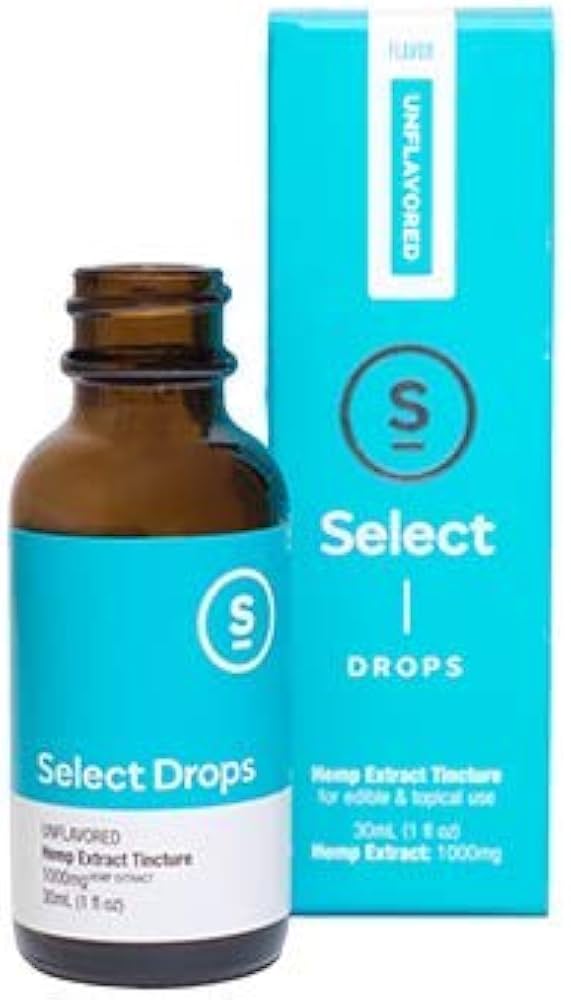
All-in-one infusion device · Drying, activating, and infusing capabilities · App-controlled cycles and recipes
While not strictly AI-dosing, the LEVO II offers advanced control and recipe management for personalized CBD oil creation, aligning with the trend of precision in cannabinoid products.
Dual-use for dry herb and concentrates · App-controlled customization · Rapid heating and long battery life
The PAX 3's app connectivity enables precise temperature control, offering a personalized and consistent vaping experience that complements smart dosing concepts.
Decarboxylates and infuses botanicals · Preset cycles for optimal activation · User-friendly operation
This device facilitates precise preparation of CBD for consumption, ensuring consistent potency and effectiveness, which is a key aspect of personalized delivery systems.
Portable dry herb vaporizer · Bluetooth app control for temperature · Precise vaporization for consistent results
The Crafty+ offers precise temperature control via its app, enabling users to fine-tune their vaping experience for optimal CBD delivery and consistency.
As an Amazon Associate I earn from qualifying purchases. Prices may vary.
Decoding the Algorithms
The "smart" in smart CBD dosing comes down to the algorithms powering these products. While companies often tout their AI, the specific methods used vary considerably. Many rely on machine learning techniques, particularly reinforcement learning and neural networks. Reinforcement learning involves the algorithm learning through trial and error, rewarding itself for making dosage recommendations that lead to positive outcomes (like reduced anxiety or improved sleep).
Neural networks, on the other hand, are inspired by the structure of the human brain. They consist of interconnected nodes that process information and identify patterns. These algorithms can be trained on large datasets of user data to predict how an individual might respond to different CBD dosages. However, a significant challenge is the "black box" problem. It can be difficult to understand why an algorithm made a particular recommendation, which can erode trust.
Essentially, these algorithms are trying to find correlations between your biometric data, your self-reported symptoms, and your response to CBD. But correlation doesn’t equal causation. Just because the algorithm identifies a pattern doesn’t mean it understands the underlying biological mechanisms. It's also worth noting that the quality of the data used to train these algorithms is crucial. Biased or incomplete data can lead to inaccurate and unreliable recommendations.
AI Algorithm Comparison for Smart CBD Dosing (Projected 2026)
| Complexity | Data Requirements | Explainability | Accuracy |
|---|---|---|---|
| High | Extensive – Requires longitudinal user data, physiological sensors, and detailed product composition. | Low – Often functions as a ‘black box’; difficult to trace decision-making process. | Potentially Very High – Capable of highly personalized and adaptive dosing schedules. |
| High | Significant – Needs substantial data for training, including user feedback and potentially genetic information. | Moderate – Can provide some insight into feature importance, but full transparency is challenging. | High – Demonstrates strong predictive capabilities with sufficient data. |
| Medium | Moderate – Requires historical user data and basic physiological parameters. | Moderate – Rules-based systems allow for easier understanding of dosing adjustments. | Moderate – Performance is reliant on the quality of the defined rules and available data. |
| Medium | Moderate – Benefits from user input and product batch data. | High – Probabilistic nature allows for clear understanding of confidence levels in dosing recommendations. | Moderate to High – Accuracy increases with the amount of relevant data. |
| Low | Limited – Can operate with minimal user data, relying on pre-defined dosage guidelines. | High – Dosing logic is straightforward and easily understood. | Low to Moderate – Provides basic personalization but lacks the adaptive capabilities of more complex algorithms. |
| Low | Minimal – Primarily uses static product information and general user characteristics. | High – Simple rule-based systems are easily interpretable. | Low – Offers limited personalization and may not be optimal for individual needs. |
Illustrative comparison based on the article research brief. Verify current pricing, limits, and product details in the official docs before relying on it.
Privacy and security risks
The collection of personal health data by smart CBD products raises serious privacy concerns. These devices gather sensitive information about your physiology, your habits, and even your emotional state. This data is valuable – not just to the companies selling these products, but potentially to third parties like insurance companies or advertisers. It’s critical to understand how this data is being used and protected.
Data breaches are a constant threat. If a company’s servers are hacked, your personal information could be compromised. Even without a breach, there’s the risk of data misuse. Companies could potentially sell your data to third parties without your consent, or use it to target you with personalized advertising. Data encryption and anonymization are essential safeguards, but they’re not foolproof.
Stronger regulations are needed to protect user privacy. Companies should be required to obtain explicit consent before collecting and using personal data, and they should be transparent about their data handling practices. Users should have the right to access, correct, and delete their data. Without these protections, the potential benefits of smart CBD dosing could be outweighed by the risks.
- Read the privacy policy to see if they sell your data to advertisers.
- Understand what data is being collected and how it will be used.
- Ensure the company uses strong data encryption.
- Look for companies that offer data anonymization options.
Beyond Dosing: Integrated Wellness
The future of smart CBD isn't just about optimizing dosage; it’s about integrating CBD into a broader wellness ecosystem. We’re already seeing products that connect with sleep trackers, fitness apps, and mental health platforms. Imagine a system that automatically adjusts your CBD dosage based on your sleep quality, your activity levels, and your stress levels – all in real-time.
This level of integration has the potential to create truly personalized wellness plans. For example, if your sleep tracker detects that you’re consistently getting poor sleep, the system might suggest increasing your CBD dosage before bed. Or, if your fitness app shows that you’re experiencing high levels of stress during workouts, it might recommend a dose of CBD to help you relax. But it also introduces complexity.
The risk of information overload is real. Users could become overwhelmed by the sheer amount of data being collected and analyzed. It’s also important to consider the potential for algorithmic bias. If the algorithms are trained on biased data, they could perpetuate existing health disparities. The key will be to create systems that are both powerful and user-friendly, and that prioritize data privacy and security.
The Future of AI and CBD
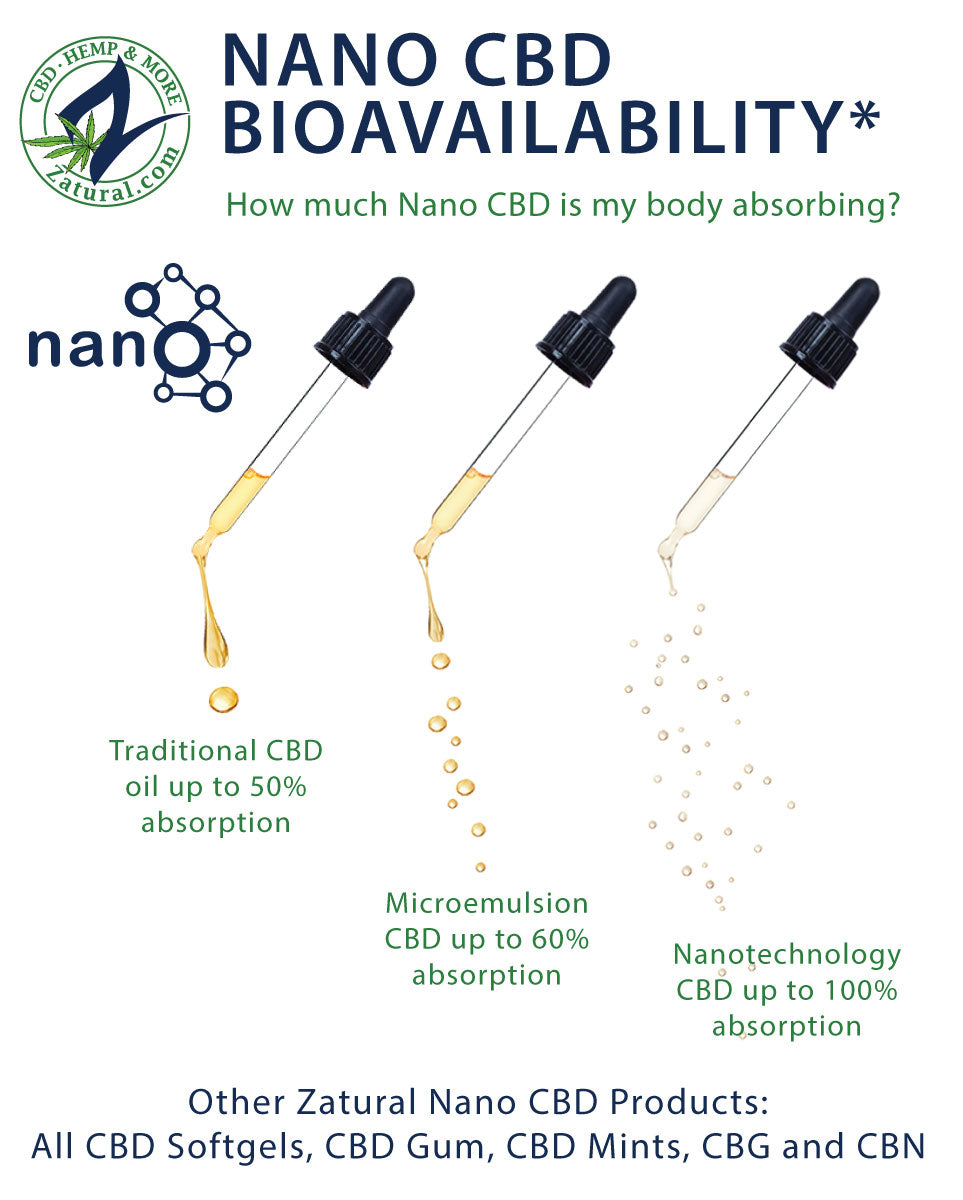
Looking ahead, the convergence of AI and CBD is likely to accelerate. We can expect to see more sophisticated sensors, more powerful algorithms, and more seamless integration with other wellness technologies. Nanotechnology could play a role, allowing for even more precise and targeted delivery of CBD. Personalized formulations, tailored to an individual’s genetic makeup, are also a possibility.
However, significant challenges remain. Regulatory hurdles need to be addressed, data privacy concerns need to be resolved, and the scientific evidence supporting the effectiveness of these products needs to be strengthened. It’s unlikely that smart CBD products will become mainstream overnight. But as the technology matures and the regulatory landscape becomes clearer, they have the potential to transform the way we use and experience CBD. Right now, it's a space to watch carefully.
- What is the biggest challenge facing AI-enhanced CBD? Data privacy and security.
- Will these products become affordable? Prices are likely to decrease as the technology becomes more widespread.
- What should consumers look for? Transparency, robust data security, and a clear understanding of how the algorithm works.


No comments yet. Be the first to share your thoughts!