
Current legal status
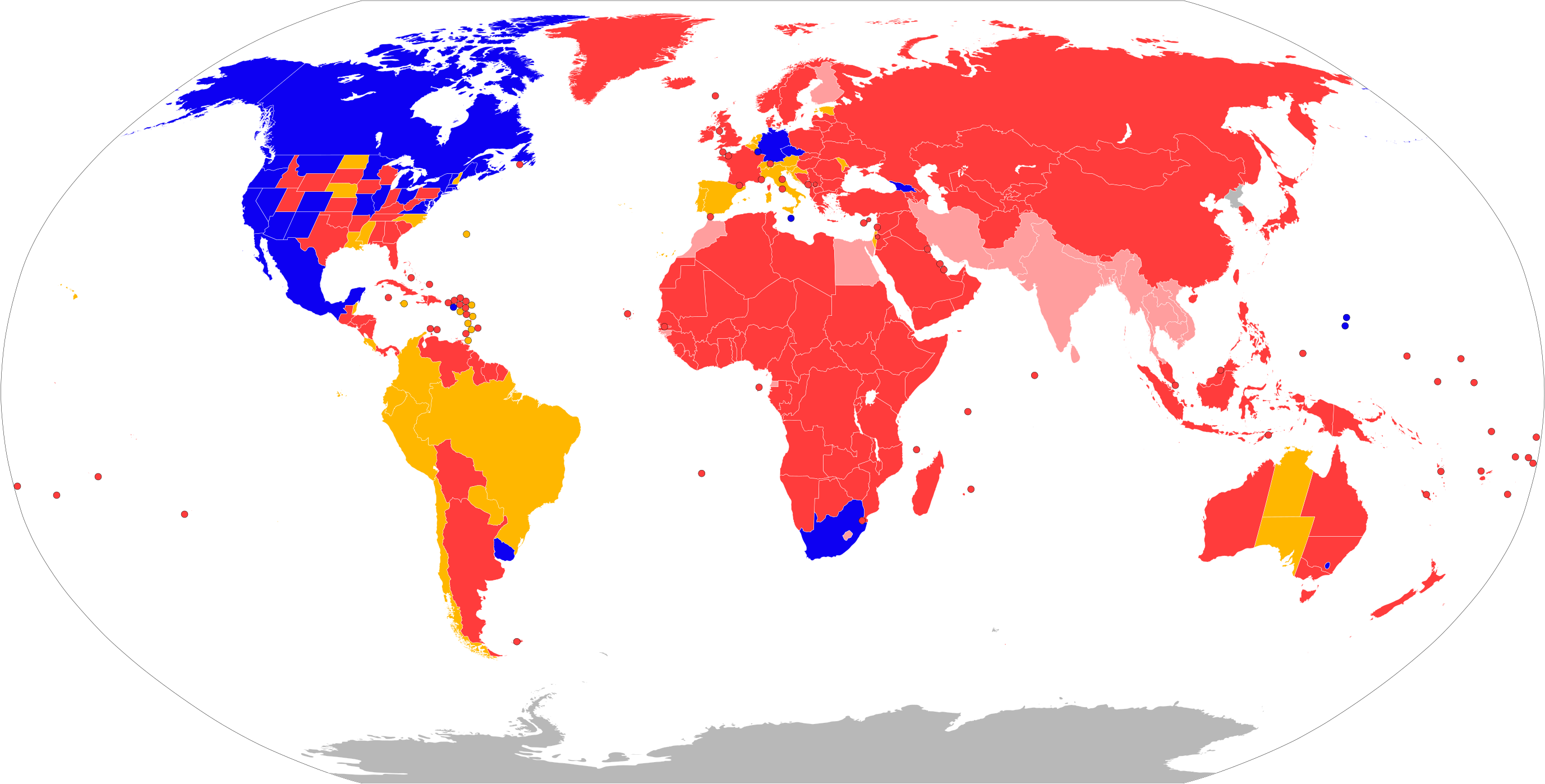
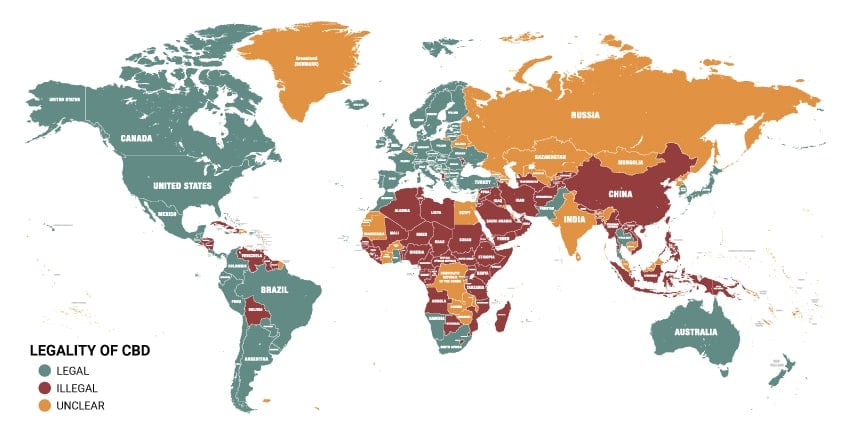
The global CBD market is a patchwork of regulations, varying wildly from country to country. As of late 2024, we’re seeing a clear split between regions with relatively permissive laws and those maintaining strict prohibitions. The United States, following the 2018 Farm Bill, operates under a federal system where hemp-derived CBD (containing less than 0.3% THC) is legal, but state laws still create significant variation. Some states have robust CBD markets, while others remain restrictive.
Europe presents a more complicated picture. Germany legalized recreational cannabis, including CBD, in early 2024), a move that’s pushing other EU nations to reconsider their policies. However, regulations differ significantly even within the EU; Italy allows the sale of CBD products with low THC content, but France maintains stricter rules. The UK also has a developing CBD market, but it’s subject to Novel Food regulations that require extensive safety testing.
Asia, generally, remains more conservative. Japan allows CBD products derived from hemp stalks and seeds, but prohibits the use of flowers and leaves. South Korea has some limited access to CBD for medical purposes, but recreational use is illegal. In South America, Uruguay and Colombia have made strides in CBD legalization, often linked to broader cannabis reforms. Africa is emerging as a potential growth market, with countries like South Africa and Zambia showing increasing interest, though regulatory frameworks are still developing.
Australia runs a prescription-only medical program. While the global trend leans toward acceptance, the pace is uneven. Laws shift fast—what works in one border often fails in the next as researchers dig into therapeutic data.
Where laws are shifting in 2025 and 2026
Looking ahead to 2025 and 2026, several countries appear poised to make significant changes to their CBD laws. Mexico is a strong contender, with ongoing discussions about comprehensive cannabis legalization that would inevitably include CBD. Public support is growing, and the potential economic benefits are substantial. Brazil is also a key market to watch; political and economic factors have created some delays, but there’s increasing momentum for medical CBD access, and potentially broader legalization.
In Asia, Japan and South Korea are both considering easing restrictions on CBD. Japan's current laws are quite limited, focusing on specific hemp parts, so even a moderate expansion of permissible sources would be impactful. South Korea’s medical cannabis program could be expanded to include more CBD products and conditions. Several EU nations, like Spain and the Czech Republic, are also under pressure to align their CBD regulations with Germany’s more liberal approach.
None of these shifts are guaranteed. Politics and public health concerns often stall progress, as seen in Poland where initial momentum hit a wall. Some nations will likely push for full cannabis reform, while others stick to incremental CBD-only adjustments.
Timelines are messy, but the drivers are obvious: people want the products, the science is stacking up, and governments want the tax revenue. Expect a wave of new rules through 2026 that finally open these borders.
The reality of entering new markets
Opening a new CBD market isn’t simply about legalization; it’s about navigating a complex web of regulations, logistical hurdles, and consumer education. Regulatory compliance is paramount. Newly legalized countries often implement strict testing requirements to ensure product safety and quality. Labeling laws, import/export restrictions, and licensing procedures can also be significant barriers to entry.
Supply chain issues are another common challenge. Establishing reliable sources of high-quality CBD, particularly in countries with limited domestic production, can be difficult. Banking and financial services present a persistent problem for CBD companies. Many banks remain hesitant to work with businesses involved in the cannabis industry, leading to difficulties accessing loans and payment processing. This is easing in some areas, but remains a real issue.
Consumer education is crucial. In many newly legalized markets, public awareness of CBD is limited, and misconceptions are common. Businesses have a responsibility to provide accurate information about CBD’s potential benefits and risks. Germany’s experience is a good example; the initial rollout of legal cannabis saw a need for significant public education campaigns.
The balance between local production and imports will also be a key factor. Some countries may prioritize developing a domestic CBD industry, while others may rely heavily on imports. Italy, for instance, has a strong focus on local hemp cultivation, but still imports CBD extracts from other countries. The "how’ of legalization is just as important as the ‘if".
Using the MindCBD store locator
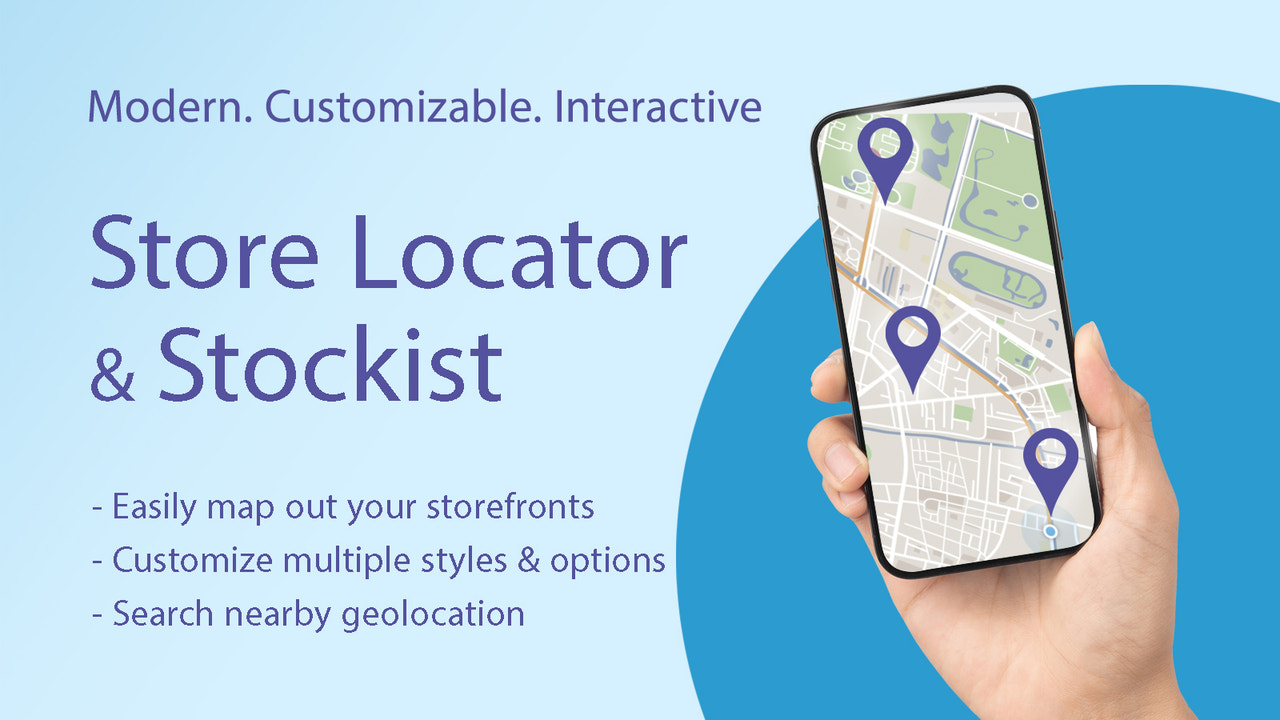
Finding reputable local CBD shops can be a challenge, especially when traveling or moving to a new area. That’s where MindCBD’s store locator comes in. Our goal is to connect consumers with trusted retailers around the world. The locator allows users to search for stores based on location, CBD type (oils, capsules, gummies, etc.), brand preferences, and even store amenities like knowledgeable staff or convenient parking.
The interface features a map view for easy browsing, and each listing includes user reviews, store hours, and contact information. We’re constantly working to expand our database and ensure its accuracy. We verify store listings through a combination of online research and direct contact with retailers. We encourage users to submit new stores and report any inaccuracies they find.
A significant benefit is the ability to filter by specific CBD products. Are you looking for a local shop that carries a particular brand of CBD oil or a specific type of gummy? Our filters help you narrow your search quickly. We’re also planning to add more detailed information about each store, such as whether they offer in-house lab testing or educational workshops.
Our commitment is to provide a reliable and up-to-date resource for consumers seeking global CBD stores. We believe that supporting local businesses is essential, and our store locator is designed to facilitate that connection. It’s more than just a directory; it’s a tool for building a more informed and transparent CBD market.
What people are buying in new markets
As CBD markets mature, certain product categories consistently gain popularity. In emerging markets, we’re seeing a strong demand for full-spectrum CBD products, likely due to the perceived "entourage effect" – the idea that the combination of cannabinoids, terpenes, and other compounds works synergistically. However, broad-spectrum and isolate products also have a significant following, particularly among consumers who are sensitive to THC.
The rise of minor cannabinoids like CBN (for sleep) and CBG (for potential anti-inflammatory properties) is a notable trend. While research on these cannabinoids is still ongoing, consumer interest is growing rapidly. Innovative delivery methods are also gaining traction, with gummies and beverages being particularly popular. Topicals, such as creams and lotions, are also seeing increased demand.
Regional preferences do vary. In Europe, CBD oils remain the dominant product category, reflecting a preference for traditional methods of consumption. In the United States, gummies are king, driven by their convenience and palatability. There’s also a growing demand for organic and sustainably sourced CBD, as consumers become more aware of the environmental and ethical implications of their purchases.
Data from MindCBD’s product reviews and industry reports consistently show that consumers are prioritizing quality, transparency, and efficacy. They want to know where their CBD comes from, how it’s made, and what benefits they can expect. Brands that can meet these demands are best positioned for success in these evolving markets.
- Full-spectrum oils are the standard in Europe, while Americans prefer broad-spectrum gummies for convenience.
- Broad-spectrum CBD gummies
- CBN-infused sleep aids
- CBG topicals
- Organic CBD capsules
Trending CBD Products
- CBDistillery Full-Spectrum CBD Oil (600mg) - A popular choice for beginners, known for its affordability and consistent quality. Average Rating: 4.6 stars (1,250+ reviews)
- Charlotte's Web Recovery Gummies (60ct) - These gummies, featuring CBD and ginger/turmeric, are frequently reviewed for post-exercise recovery. Average Rating: 4.5 stars (980+ reviews)
- Lazarus Naturals High Potency CBD Capsules (50mg) - A cost-effective option for those seeking a higher dose of CBD per capsule. Average Rating: 4.7 stars (875+ reviews)
- Joy Organics CBD Softgels with Melatonin (30ct) - Commonly reviewed for promoting relaxation and sleep. Average Rating: 4.4 stars (720+ reviews)
- Medterra CBD Calming Blend (30ml) - A blend of CBD and other calming botanicals, often reviewed for stress relief. Average Rating: 4.3 stars (610+ reviews)
- JustCBD Gummies (250mg) - A widely reviewed gummy product available in a variety of flavors and sizes. Average Rating: 4.2 stars (550+ reviews)
- R+R Medicinals Calm CBD Oil (1000mg) - Frequently reviewed for its organic sourcing and full-spectrum profile. Average Rating: 4.6 stars (480+ reviews)
The headache of international shipping
International shipping of CBD is fraught with challenges. Customs regulations vary significantly from country to country, and even seemingly minor discrepancies can lead to seizure or delays. Import duties and taxes can also add substantial costs. Restrictions on CBD concentration are another common hurdle; some countries have strict limits on the amount of THC allowed in CBD products.
The legal implications for both businesses and consumers are significant. Businesses that violate international shipping regulations can face hefty fines and even criminal charges. Consumers who attempt to import CBD into countries where it’s illegal risk having their products confiscated and potentially facing legal penalties. It’s crucial to understand that regulations change frequently, so staying informed is essential.
Customs websites and shipping providers are the first stop, though they are rarely up to date. If you're moving large quantities, you'll need a lawyer who specializes in international cannabis law to avoid a total loss at the border.
The risk of seizure is particularly high for shipments containing full-spectrum CBD oil, as it may contain trace amounts of THC. Even products labeled as "THC-free’ can sometimes test positive for THC due to lab error or the presence of naturally occurring cannabinoids. Transparency and accurate labeling are crucial, but they don"t guarantee a smooth shipping process.
How to spot quality products
With the expansion of the global CBD market comes an increased risk of lower-quality products. Ensuring you’re buying safe and effective CBD requires careful due diligence. The most important thing to look for is third-party lab testing, as demonstrated by a Certificate of Analysis (COA). A COA verifies the cannabinoid content of the product and confirms that it’s free of contaminants like pesticides, heavy metals, and residual solvents.
However, a COA is not a guarantee of quality. It’s essential to verify that the COA is from a reputable testing lab and that the results match the product’s label. Look for COAs that include a full cannabinoid profile, as well as testing for contaminants. Be wary of brands that don’t provide COAs or that use labs with questionable reputations.
Researching the brand is also crucial. Look for companies that are transparent about their sourcing and manufacturing processes. Check for customer reviews and look for any red flags, such as complaints about product quality or inaccurate labeling. Consider brands that prioritize organic and sustainable farming practices.
A good COA lists the exact milligrams of CBD and THC alongside a pass/fail for heavy metals and solvents. The American Herbal Products Association (AHPA) provides guides on how to read these sheets. Don't buy from anyone who won't show you the paperwork.st low-quality CBD products.
- Check for a third-party COA
- Verify the lab’s reputation
- Research the brand
- Look for organic certification
No comments yet. Be the first to share your thoughts!