
The state of CBD in 2026
CBD is no longer just a niche trend. By late 2026, federal rules are still a mess. The FDA has released updates on cannabis safety, but without strict national oversight, what you see on a label isn't always what you get in the bottle.
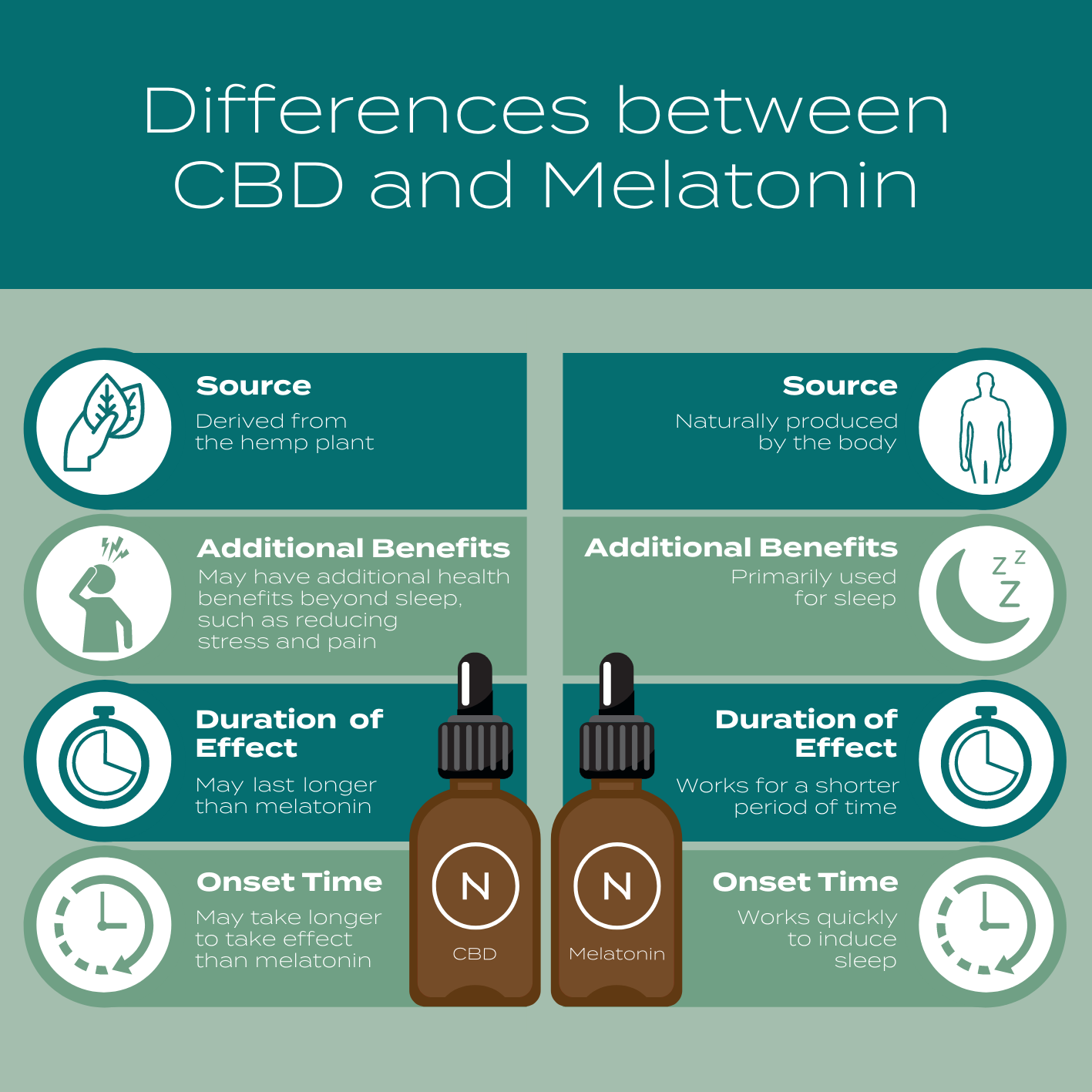
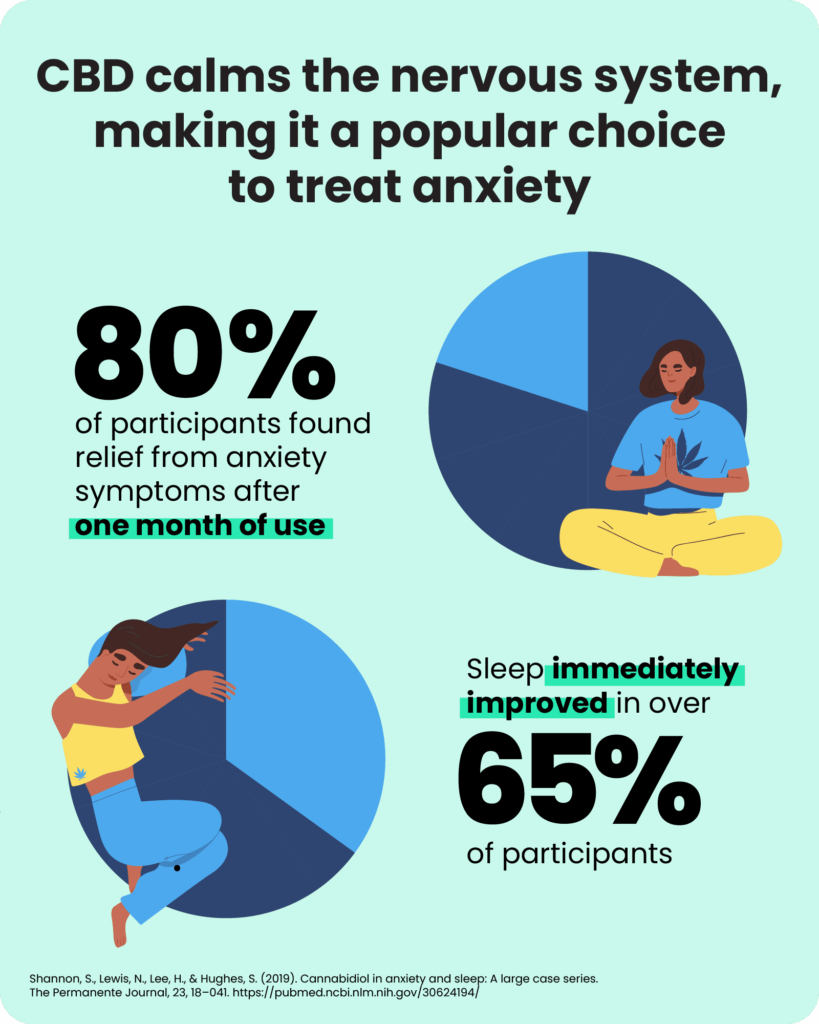
People are turning to CBD for a range of reasons: anxiety relief, pain management, improved sleep, and even potential support for conditions like epilepsy. However, figuring out the right dosage isn't as simple as looking at a bottle. It’s a surprisingly complex equation, and what works for one person may not work for another. The research is still evolving, and we're constantly learning more about how CBD interacts with the body.
Finding the right dose is a trial-and-error process. I'm looking at current research to help you find a starting point, but you should talk to your doctor before trying any of this.
How weight changes your dose
A common question is: does my weight affect my CBD dosage? Generally, yes. Heavier individuals often require a higher dose to achieve the same effects as someone with a lower body weight. This is because CBD is fat-soluble, meaning it distributes throughout the body’s fat tissues. More body mass means more tissue for the CBD to distribute into.
However, it’s not a simple linear relationship. A 200-pound person doesn’t necessarily need twice the dose of a 100-pound person. Metabolic rate, body composition (muscle vs. fat), and individual sensitivity all play a role. Someone with a faster metabolism might process CBD more quickly, requiring a slightly higher dose. Someone with more muscle mass might respond differently than someone with a higher percentage of body fat.
I’ve seen a lot of online calculators promising precise dosage based on weight, but I’m skeptical of their accuracy. They can be a starting point, but they shouldn’t be taken as gospel. The human body is too complex for a one-size-fits-all formula. It's far more effective to start low and adjust based on your individual experience. Don't chase a number – chase relief.
Starting doses for common issues
Let’s look at some common conditions people use CBD for and potential starting dosage ranges. Keep in mind these are starting points and should be adjusted based on individual response. I’m drawing on research available through resources like NCBI (ncbi.nlm.nih.gov) and clinical observations, but this isn't medical advice.
For anxiety, a starting dose of 5-10mg of CBD, taken 1-2 times daily, is often recommended. Some individuals may find relief with up to 25mg per day. For chronic pain, the starting range is typically higher, around 10-20mg per day, gradually increasing as needed. Again, this depends on the severity of the pain and individual tolerance.
If you’re considering CBD for insomnia, a dose of 25-50mg taken 1-2 hours before bedtime might be helpful. Some studies suggest higher doses can be used, but it’s best to start low and assess your response. Regarding epilepsy, it’s important to note that CBD is an approved treatment for certain severe forms of epilepsy (like Dravet syndrome and Lennox-Gastaut syndrome), but this is typically under strict medical supervision and involves prescription medications, not over-the-counter CBD products.
CBD isn't a miracle. It might help, but it isn't a guaranteed fix. Talk to a professional before you start a new routine.
- Anxiety: 5-25mg daily
- Chronic Pain: 10-50mg per day (or higher, as needed)
- Insomnia: 25-50mg before bedtime
- Epilepsy: Prescription CBD medication under medical supervision
Suggested Starting CBD Dosages - 2026 Recommendations
| Condition | Dosage Range (mg) | Common Product Type | Notes |
|---|---|---|---|
| Anxiety | 5-25 mg per day | Oils, Capsules, Gummies | Start with a low dose and increase gradually as needed. Individual response varies significantly. |
| Chronic Pain | 20-50 mg per day | Topicals, Oils, Capsules | Dosage often depends on pain severity and individual factors. Topical applications may require more frequent use. |
| Insomnia | 25-75 mg per day | Oils, Capsules, Tinctures | Take 30-60 minutes before bedtime. Monitor for drowsiness and adjust accordingly. |
| Epilepsy (specifically Dravet Syndrome & Lennox-Gastaut Syndrome - as studied for Epidiolex) | 100mg - 500mg twice daily (under medical supervision) | Oral Solution (prescription medication) | Dosages for epilepsy are significantly higher and *must* be managed by a qualified healthcare professional. This range reflects clinical trial data for specific conditions and a pharmaceutical formulation. |
| General Wellness | 2.5-15 mg per day | Gummies, Softgels, Tinctures | For preventative use or mild support, a lower dosage may be sufficient. |
| Migraines | 10-40 mg per day | Oils, Capsules | Some individuals find CBD helpful for migraine prevention or reducing migraine intensity. Start low and monitor effects. |
| Inflammation | 20-60 mg per day | Oils, Capsules, Topicals | Dosage may vary based on the location and severity of inflammation. Topical applications can target specific areas. |
Illustrative comparison based on the article research brief. Verify current pricing, limits, and product details in the official docs before relying on it.
Product Type & Bioavailability
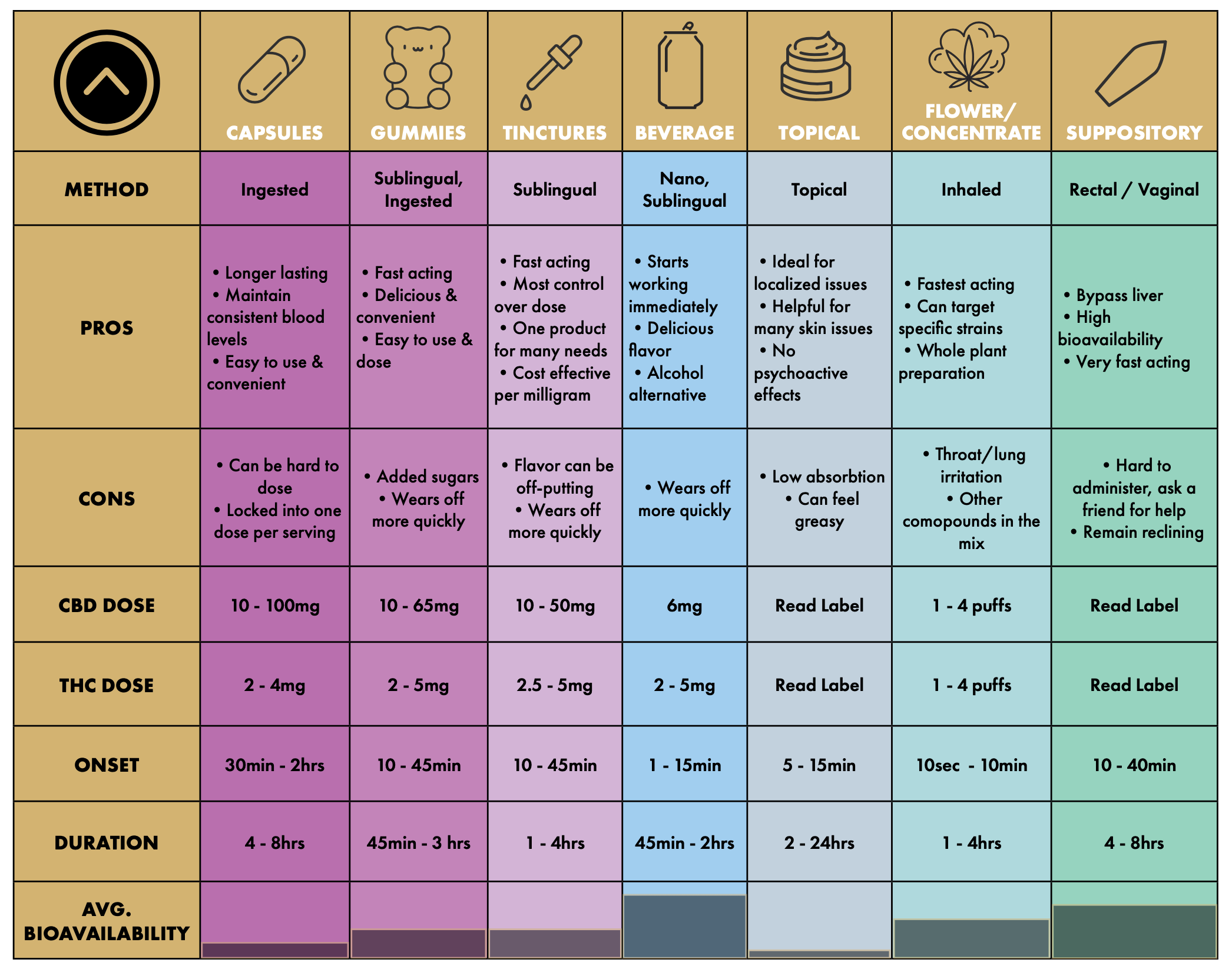
How you take your CBD significantly impacts how much of it your body actually absorbs. This is known as bioavailability. Different product types have different bioavailability rates. CBD oils (tinctures) generally have the highest bioavailability, ranging from 13-35%, because they’re absorbed sublingually (under the tongue), bypassing the digestive system.
CBD gummies and capsules have lower bioavailability, around 6-15%, as they must be digested. This process breaks down some of the CBD before it can enter the bloodstream. CBD topicals (creams, lotions) have very low systemic bioavailability – meaning very little CBD enters the bloodstream – but can be effective for localized relief of pain and inflammation.
Vaping CBD offers the fastest onset of effects, but I’m hesitant to recommend it. The long-term health effects of vaping are still unknown, and it carries its own risks. While it might deliver CBD quickly, the potential downsides outweigh the benefits for most people. When choosing a product, consider both bioavailability and convenience.
- Oils and tinctures: 13-35% absorption
- Gummies/Capsules: 6-15% bioavailability
- Topicals: Very low systemic bioavailability
- Vaping: Fast onset, but potential health risks
CBD Bioavailability Comparison
- CBD Oils/Tinctures (Sublingual) - 13-35%. Absorbed under the tongue, bypassing some first-pass metabolism in the liver, leading to relatively faster absorption and higher bioavailability compared to edibles.
- CBD Gummies/Edibles - 6-15%. These have lower bioavailability because they are digested and processed through the liver, significantly reducing the amount of CBD that reaches the bloodstream. First-pass metabolism is a major factor.
- CBD Capsules - 6-15%. Similar to gummies, capsules are ingested and subject to first-pass metabolism, resulting in a comparable, relatively low bioavailability.
- CBD Topicals (Creams, Balms) - <1%. CBD topicals have very limited systemic bioavailability. They primarily interact with cannabinoid receptors in the skin and are not intended to produce widespread effects in the body.
- CBD Vaping/Inhalation - 16-31%. Inhalation delivers CBD directly to the lungs, allowing for rapid absorption into the bloodstream. However, bioavailability can vary based on technique and device.
- CBD Isolates vs. Full/Broad Spectrum - Full and broad spectrum CBD products *may* exhibit slightly higher bioavailability due to the ‘entourage effect’ – the synergistic interaction of cannabinoids and terpenes, though research is ongoing. Isolates contain only CBD.
- Liposomal CBD - 15-30%. Liposomes encapsulate the CBD molecule, potentially increasing absorption and bioavailability by protecting it from degradation and enhancing its delivery to cells. More research is needed.
Finding your dose through titration
Personalizing your CBD dosage is all about titration. This means starting with a low dose – perhaps 5mg or even 2.5mg – and gradually increasing it over time until you achieve the desired effect. The key is to be patient and observant. Don’t expect immediate results.
Keep a journal to track your dosage, the time of day you take it, and any effects you experience. Note both positive and negative effects. Be specific – instead of writing "felt better,’ write ‘anxiety levels decreased from 8/10 to 5/10." Increase the dose slowly, perhaps by 2.5-5mg at a time, and give each dose a few days to assess its impact.
If you don’t notice any effects after a few days, increase the dose slightly. If you experience side effects like drowsiness or dry mouth, reduce the dose. The goal is to find the lowest effective dose that provides the relief you’re seeking. This process requires experimentation, and it’s okay to adjust your dosage over time as your needs change.
Full Spectrum, Broad Spectrum, & Isolate
CBD extracts come in three main forms: full-spectrum, broad-spectrum, and isolate. Full-spectrum CBD contains all the naturally occurring compounds found in the hemp plant, including trace amounts of THC (less than 0.3% in most legal products). This is where the 'entourage effect' comes into play – the idea that these compounds work together synergistically to enhance the overall benefits.
Broad-spectrum CBD is similar to full-spectrum, but it has the THC removed. It still contains other cannabinoids, terpenes, and flavonoids. CBD isolate is pure CBD, with all other compounds removed. It’s a good option for those who want to avoid THC altogether, but it may not be as effective as full-spectrum or broad-spectrum for some people.
The choice depends on your preferences and concerns. If you’re looking for the most comprehensive effects and don’t mind trace amounts of THC, full-spectrum might be the best option. If you want to avoid THC entirely, isolate is the way to go. Broad-spectrum offers a middle ground. Always check third-party lab reports to verify the CBD content and ensure the product is free of contaminants.
Potential Side Effects & Interactions
While CBD is generally considered safe, it can cause side effects in some people. Common side effects include drowsiness, dry mouth, diarrhea, and changes in appetite. These side effects are usually mild and temporary. However, it's important to be aware of them.
CBD can also interact with certain medications, including blood thinners, antidepressants, and other drugs metabolized by the liver. This is because CBD can inhibit the activity of certain enzymes that break down these medications, potentially leading to increased drug levels in the bloodstream. It's crucial to consult with a doctor before using CBD, especially if you’re taking any medications.
If you have any underlying health conditions, such as liver disease or kidney disease, talk to your doctor before using CBD. They can help you determine if CBD is safe for you and advise you on the appropriate dosage. CBD isn't a substitute for medical care. It's a complementary therapy that may provide relief, but it should be used in conjunction with, not instead of, conventional medical treatment.
Featured Products
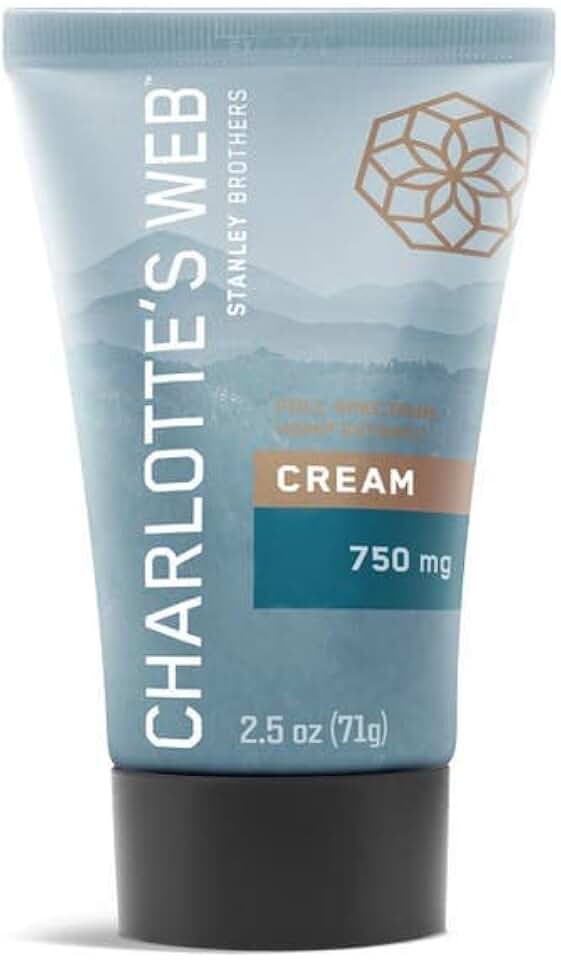
Unscented hemp cream for dry skin · 2.5 fl oz size · Natural, cruelty-free, and vegan formula
This unscented hemp cream is a gentle, plant-based option for topical application, suitable for those seeking moisturization without added fragrances.

High potency hemp oil in a 2-pack · Supports immune system, focus, calm, relaxation, and mood · Organic, vegan, and non-GMO formulation
This high-potency hemp oil offers a concentrated dose for systemic benefits, ideal for individuals looking to support overall well-being and balance.
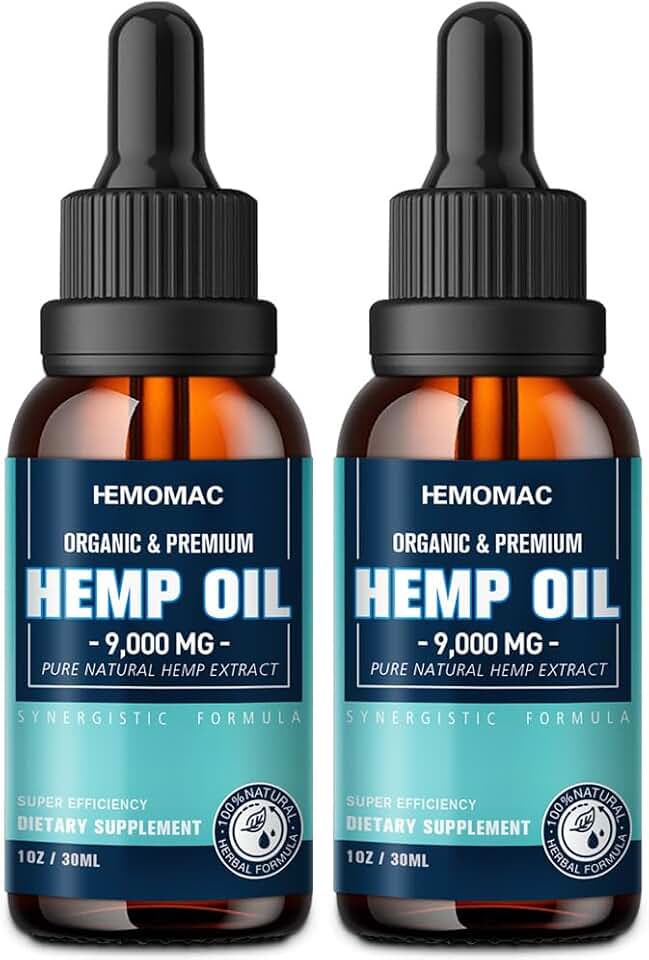
High potency hemp oil drops and tincture in a 2-pack · Aids in pain, sleep, and anxiety relief · Organic, vegan, and non-GMO ingredients
This 2-pack provides both oil drops and tincture formulations of high-potency hemp, offering versatility for users targeting specific issues like pain, sleep, and anxiety.

Select Drops Hemp Tincture · 1000mg potency in a 30ml bottle · Unflavored formulation
This unflavored 1000mg hemp tincture provides a precise and potent dose, allowing for easy customization and integration into daily routines for targeted effects.
High potency hemp oil in a 2-pack · Supports immune system, focus, calm, relaxation, and mood · Organic, vegan, and non-GMO formulation
This high-potency hemp oil offers a concentrated dose for systemic benefits, ideal for individuals looking to support overall well-being and balance.
As an Amazon Associate I earn from qualifying purchases. Prices may vary.
No comments yet. Be the first to share your thoughts!