Is Your Sleeplessness a Chemical Imbalance or Just Stress?
We’ve all been there. Tossing and turning, watching the clock tick by, desperately willing yourself to fall asleep. It's frustrating, and it impacts everything the next day. But before reaching for a sleep aid, consider why you're struggling. Is it a simple case of stress and a racing mind, or is something more fundamentally off with your body’s natural sleep-wake cycle?
That's where CBD and melatonin come in. Both are popular options for promoting better sleep, but they work in very different ways. Melatonin is a hormone that directly influences your sleep timing, while CBD interacts with your body’s natural systems to address underlying issues like anxiety and pain. I'm not trying to declare a winner here, but to help you understand which might be a better fit for you.
Sleep issues aren't all the same. Some people struggle to fall asleep – a problem with sleep onset. Others wake up frequently during the night or wake up too early – issues with sleep maintenance. Still others experience non-restorative sleep, waking up feeling exhausted despite getting enough hours. Understanding your specific sleep challenge is the first step towards finding an effective solution. The root cause will heavily influence whether melatonin or CBD is more likely to offer relief.
Melatonin: The Hormone That Tells Your Body It’s Time to Rest
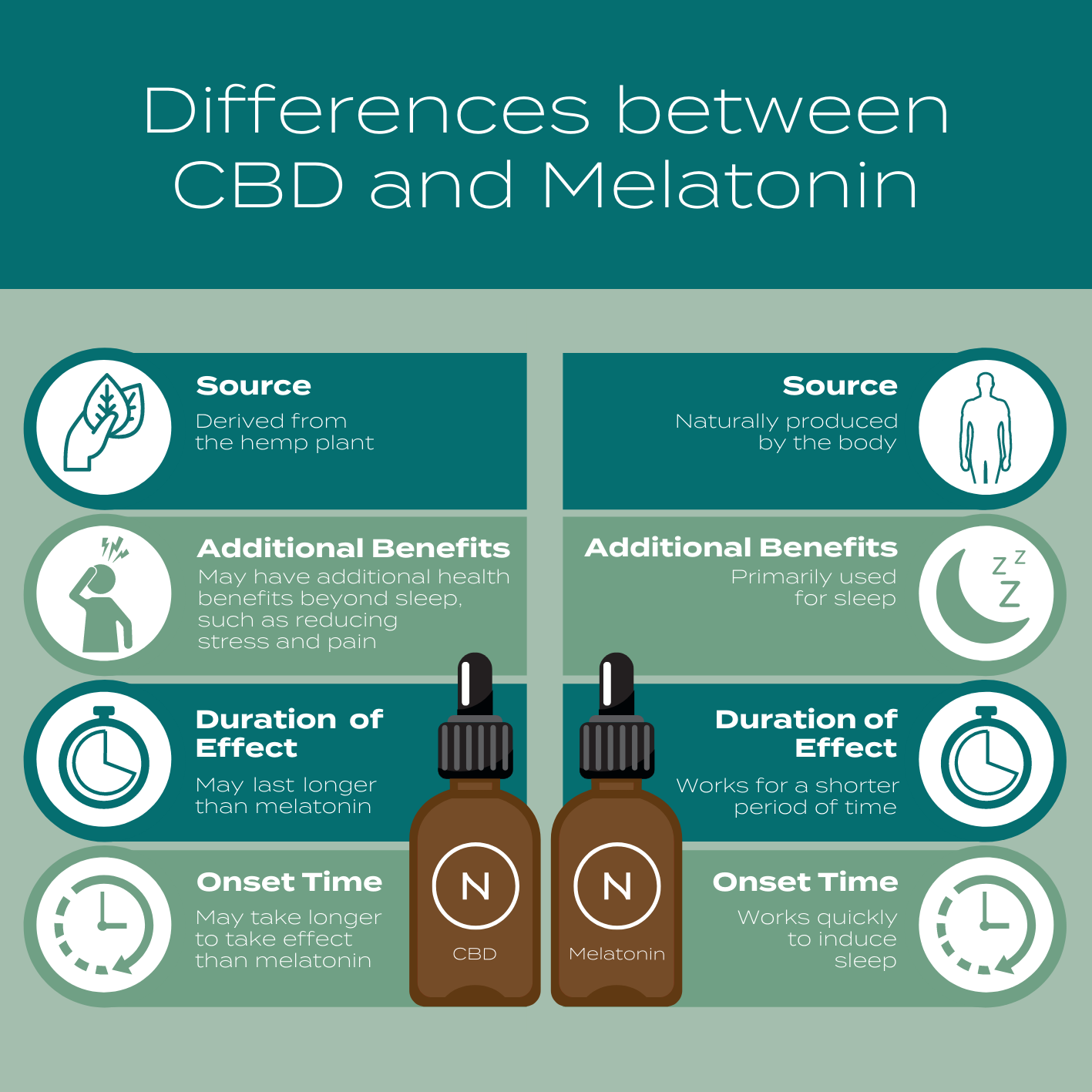
Melatonin is a hormone naturally produced by the pineal gland in your brain. It's often called the 'sleep hormone' because it plays a central role in regulating your circadian rhythm – your body’s internal clock. As darkness falls, melatonin levels rise, signaling to your body that it’s time to prepare for sleep.
Melatonin supplements essentially mimic this natural process. They provide an external source of the hormone, helping to boost levels when they might be low or out of sync. This is particularly useful for situations like jet lag, where your circadian rhythm is disrupted by travel across time zones, or for shift workers who need to sleep during the day.
Typical dosages range from 0.5mg to 5mg, taken 30-60 minutes before bedtime. It’s available in various forms – tablets, gummies, liquids, and even dissolving strips. However, melatonin isn’t a sedative. It won’t force you to sleep, but rather helps to create the conditions for sleep. It’s most effective for timing-related sleep issues, and less so for insomnia caused by anxiety or chronic pain.
CBD and the Endocannabinoid System: A More Holistic Approach?
CBD, or cannabidiol, works quite differently. It doesn't directly target the sleep-wake cycle like melatonin. Instead, it interacts with your body’s endocannabinoid system (ECS), a complex network of receptors involved in regulating a wide range of functions, including mood, pain, appetite, and sleep.
Think of the ECS as a vast communication system. CBD doesn't bind directly to the main receptors – CB1 and CB2 – but rather influences them, helping to modulate their activity. This can lead to a calming effect, reducing anxiety and stress, which are often major contributors to sleep problems. It’s more about supporting your body's natural ability to regulate itself, rather than directly forcing a specific outcome.
You’ll find CBD in three main forms: full-spectrum, broad-spectrum, and isolate. Full-spectrum contains all the naturally occurring compounds from the hemp plant, including trace amounts of THC (less than 0.3%). Broad-spectrum is similar, but with the THC removed. Isolate is pure CBD. For sleep, many people find full or broad-spectrum more effective due to the "entourage effect" – the idea that these compounds work synergistically. The effects of CBD are often more subtle and individualized than melatonin, and it may take some experimentation to find the right dosage.
Understanding the Endocannabinoid System (ECS) with Dr. Emily Carter
The Science of Wellness
Watch on YouTube →Head-to-Head: What Does the Research Actually Say?
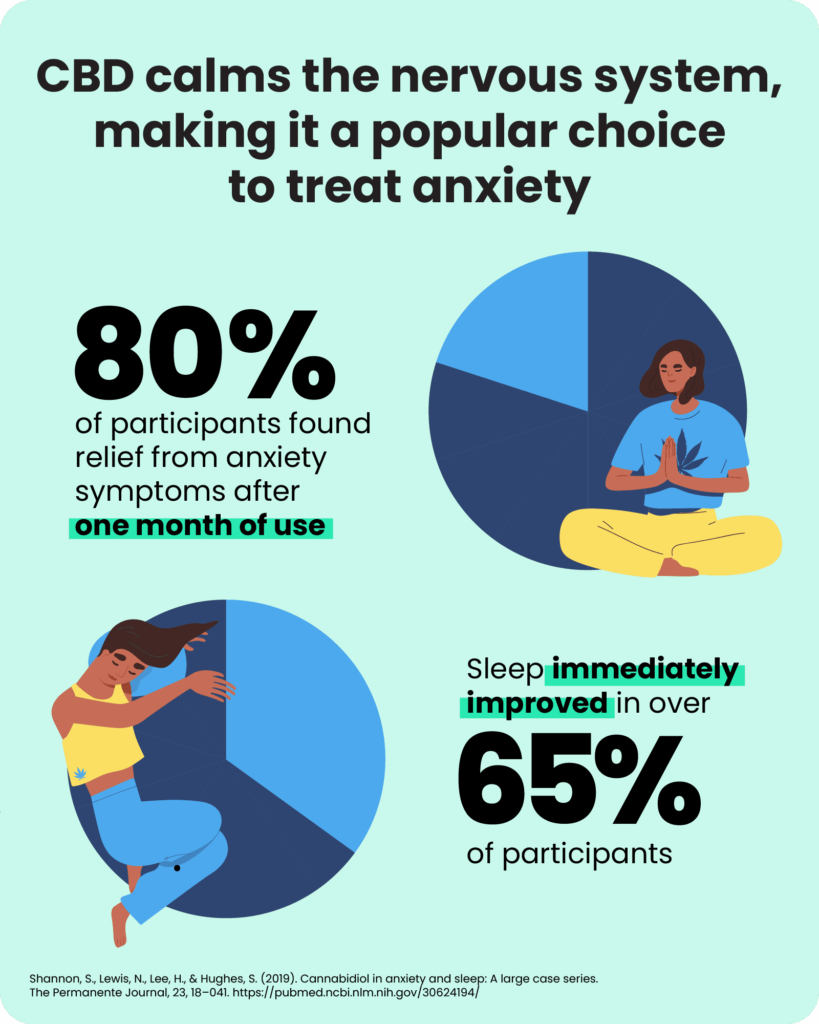
Research on both CBD and melatonin for sleep is growing, but it’s still developing.ill relatively limited. A 2019 review published in The Permanente Journal found that CBD may improve sleep scores in individuals with anxiety, but the studies included were small. In contrast, a 2022 meta-analysis of randomized controlled trials, published in Sleep Medicine Reviews, confirmed melatonin’s effectiveness in reducing sleep onset latency and increasing total sleep time.
The research suggests melatonin is more effective for specific timing-related sleep issues like jet lag and shift work disorder. A 2002 study in the Journal of Clinical Endocrinology & Metabolism demonstrated melatonin’s ability to significantly reduce jet lag symptoms. CBD, on the other hand, appears to shine when sleep disturbances are rooted in anxiety or stress. The 2019 review I mentioned earlier showed promise in this area, but more robust trials are needed.
However, it’s important to be critical of the current research. Many studies have small sample sizes, inconsistent methodologies, and rely on self-reported data. A 2023 review in Cannabis and Cannabinoid Research highlighted the need for larger, double-blind, placebo-controlled trials to definitively determine the efficacy of CBD for sleep. We need direct comparisons of CBD and melatonin, too, not just studies looking at each in isolation. The current evidence suggests they address different facets of sleep disturbance.
Side Effects and Safety: What You Need to Know
Melatonin is generally considered safe for short-term use, but some people experience side effects like daytime drowsiness, headaches, dizziness, and nausea. It can also interact with certain medications, such as blood thinners and antidepressants. CBD is also generally well-tolerated, but potential side effects include dry mouth, diarrhea, and changes in appetite. A more serious concern is potential interactions with other medications, as CBD can affect how your liver metabolizes drugs.
Crucially, healthcare professionals recommend avoiding CBD and other marijuana products for individuals with sleep apnea, as these substances can worsen breathing difficulties during sleep. This is a significant warning. Always consult with a doctor before starting any new supplement regimen, especially if you have underlying health conditions or are taking medications.
The legal status of CBD and melatonin varies depending on your location. Melatonin is widely available over-the-counter in most countries, but regulations regarding CBD are more complex. In the United States, CBD derived from hemp is federally legal, but state laws can differ. Always check your local regulations before purchasing or using CBD products.
Finding the Right Product: A Guide to Quality and Dosage
If you decide to try CBD or melatonin, quality is paramount. Look for products that have been third-party tested by an independent lab. This ensures that the product contains the amount of CBD or melatonin listed on the label and is free from contaminants like heavy metals and pesticides. Always check for a Certificate of Analysis (COA), which provides detailed information about the product’s composition.
When it comes to dosage, start low and go slow. With melatonin, begin with 0.5mg to 1mg and gradually increase as needed, up to a maximum of 5mg. For CBD, start with 5-10mg and adjust based on your individual response. Keep a sleep diary to track your dosage and its effects. I strongly recommend browsing the CBD stores listed on MindCBD – they are vetted for quality and transparency.
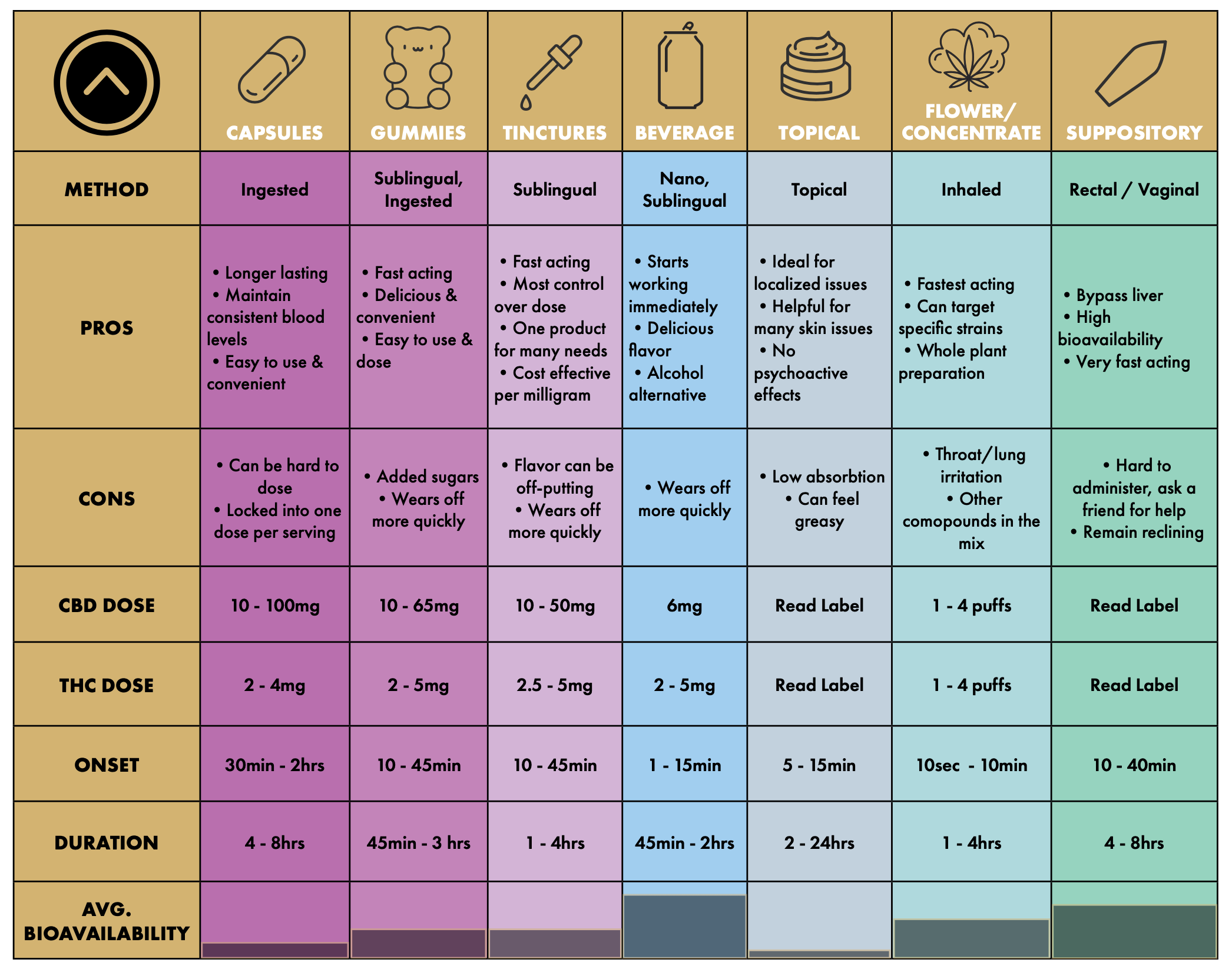
You’ll find CBD and melatonin in various forms – oils, gummies, capsules, and even topical creams. Oils allow for precise dosage control, while gummies are a convenient and tasty option. Capsules provide a pre-measured dose, and topical creams are best for localized pain that might be interfering with sleep. Consider your preferences and lifestyle when choosing a product.
Top-Rated CBD and Melatonin Products for Better Sleep on Amazon
10mg of Melatonin per serving · Supports restful sleep · Non-GMO, gluten-free, vegetarian formula
This is a widely recognized and budget-friendly option for those looking to try melatonin for sleep.
1000mg of high-quality CBD · Full-spectrum hemp extract · Natural flavor, easy to incorporate into a routine
A popular choice for those seeking a potent CBD oil from a reputable brand to potentially aid sleep.
Melatonin plus a proprietary blend of botanicals · Fruity flavors, easy to take · Non-habit forming
These gummies offer a convenient and palatable way to consume melatonin, often with added herbal sleep aids.
10mg CBD and 3mg Melatonin per gummy · Formulated with botanicals like chamomile and lemon balm · THC-free hemp extract
This product combines CBD and melatonin, offering a dual-action approach for sleep support from a trusted CBD brand.
5mg of Melatonin per tablet · Supports healthy sleep-wake cycles · Vegetarian formula
A reliable and cost-effective option for individuals who prefer a lower dose of melatonin or are new to sleep supplements.
As an Amazon Associate I earn from qualifying purchases. Prices may vary.
Can CBD and Melatonin Work *Together*?
There’s growing interest in the potential synergistic effects of combining CBD and melatonin. The idea is that melatonin can help you fall asleep initially, while CBD can promote relaxation and sustained sleep throughout the night. This approach could be particularly beneficial for individuals who struggle with both sleep onset and sleep maintenance.
However, proceed with caution. If you choose to combine these supplements, start with very low doses of both and monitor for any adverse effects. It’s also important to be aware that the optimal ratio of CBD to melatonin is still unknown. Individual experimentation may be necessary, but always under the guidance of a healthcare professional.
I'm not sure about the ideal combination, and it's an area that requires more research. The potential is there, but responsible use and professional advice are essential. Ultimately, the best approach to sleep is a holistic one, incorporating good sleep hygiene practices, stress management techniques, and a healthy lifestyle, alongside any supplements you may choose to use.

No comments yet. Be the first to share your thoughts!