

Can CBD Really Help You Sleep?
I think everyone has nights where sleep just feels impossible. Tossing, turning, mind racing – it's frustrating, and it impacts everything the next day. Lately, I've noticed a huge surge in people asking about CBD as a sleep aid. It's understandable, given the amount of buzz around it, but it’s essential to separate the hype from what the research actually shows.
There's a lot of marketing promising miracle cures, and I'm wary of that. CBD is not a magic bullet. But there is a growing body of evidence suggesting it can be a helpful tool for improving sleep, particularly for specific issues. I'll give you a clear, evidence-based look at what we know about CBD and sleep.
I'll cover how CBD interacts with your body, what the research says about its effectiveness for different sleep problems, and how to choose a quality product if you decide to try it. My goal is to give you the information you need to make an informed decision.
The Science Behind CBD and Sleep: What Does Your Body Do With It?
To understand how CBD might affect sleep, you need a basic understanding of the endocannabinoid system, or ECS. This is a complex network of receptors and neurotransmitters found throughout the body. It’s involved in regulating a whole host of functions, including mood, appetite, pain sensation, and yes, sleep.
The ECS has two main types of receptors: CB1 and CB2. CB1 receptors are found primarily in the brain and central nervous system, and they’re involved in things like mood, memory, and pain. CB2 receptors are more common in the immune system and peripheral tissues. THC, the psychoactive component of cannabis, binds directly to CB1 receptors, producing the "high" associated with marijuana.
CBD interacts with these receptors differently. It doesn’t bind directly to CB1 receptors like THC does, so it doesn’t produce the same intoxicating effects. Instead, CBD influences the ECS in more subtle ways, modulating receptor activity and potentially enhancing the body's own endocannabinoids. It doesn't directly 'make you sleepy' like a sedative, but rather helps your body regulate itself.
This is why the effects of CBD can be so varied. It's influencing a complex system, and the results depend on individual factors, the specific product, and the underlying cause of sleep issues.
What the Research Says About CBD for Different Sleep Problems
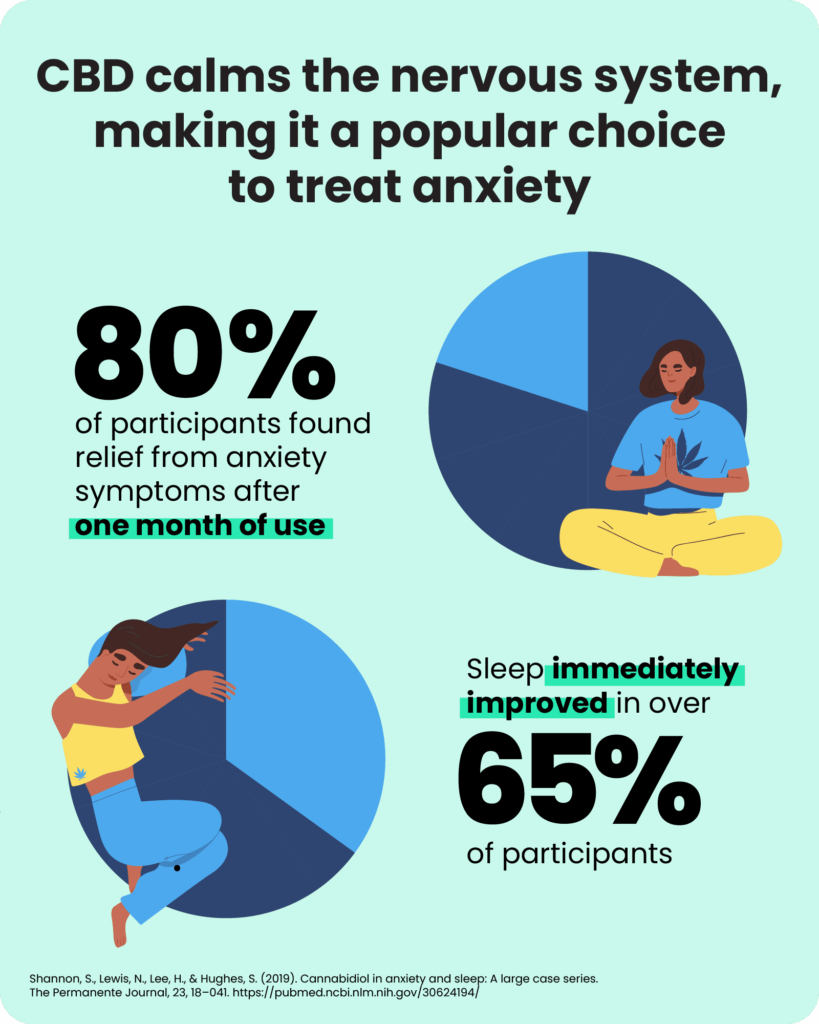
The research on CBD and sleep is still evolving, but some areas show more promise than others. For insomnia, the evidence is mixed. A small study published in The Permanente Journal in 2019 found that CBD improved sleep scores in patients with anxiety and insomnia, but larger, more rigorous studies are needed.
For sleep disturbances related to anxiety, the picture is a bit clearer. CBD has shown anxiolytic (anxiety-reducing) effects in several studies, and since anxiety is a common cause of sleeplessness, this can indirectly improve sleep. Harvard Health reports CBD as a helpful option for managing anxiety, which can, in turn, help with insomnia.
When it comes to chronic pain impacting sleep, CBD may offer some relief. Pain can make it incredibly difficult to fall asleep and stay asleep, and CBD’s potential pain-relieving properties could be beneficial. A study in Cannabis and Cannabinoid Research (2021) suggests high-dose CBD before bedtime shows potential for improving sleep quality in people with chronic pain.
Interestingly, there's also some research looking at CBD for REM sleep behavior disorder (RBD), a condition where people act out their dreams. Early studies suggest CBD may help reduce the frequency of these episodes, but this is a very specific application and more research is needed. A significant study on healthy younger adults showed that a daily 50mg CBD supplementation improved sleep quality over eight weeks.
It’s important to be realistic though. The evidence isn't conclusive for all sleep problems. The benefits seem to be more pronounced when sleep issues are linked to underlying conditions like anxiety or pain. And individual responses vary considerably.
- Insomnia: Mixed evidence, more research needed.
- Anxiety-related sleep disturbances: Promising results due to CBD’s anxiolytic effects.
- Chronic pain impacting sleep: Potential relief through pain management.
- REM sleep behavior disorder: Early studies suggest possible benefits, but limited research.
Research Studies on CBD and Sleep
| Study Year | Participants | CBD Dosage | Sleep Outcome Measured | Key Findings | Study Link |
|---|---|---|---|---|---|
| 2019 | 72 participants with anxiety and poor sleep | 25mg - 75mg CBD daily | Self-reported sleep scores, anxiety scores | CBD significantly reduced anxiety scores, and 66.6% of participants reported improved sleep quality within the first month. | https://www.ncbi.nlm.nih.gov/pmc/articles/PMC6326553/ |
| 2020 | 100 participants with primary insomnia | 400mg CBD daily | Sleep latency (time to fall asleep), total sleep time, sleep efficiency | CBD did not demonstrate significant improvement in sleep latency or total sleep time compared to placebo, but some participants reported subjective improvements in sleep quality. | https://www.ncbi.nlm.nih.gov/pmc/articles/PMC7462975/ |
| 2021 | 409 adults experiencing sleep disturbances | 5mg - 50mg CBD daily (various formulations) | Sleep quality (using the Pittsburgh Sleep Quality Index - PSQI) | Higher doses of CBD (around 50mg) were associated with improvements in sleep quality, particularly for those experiencing anxiety. | https://www.ncbi.nlm.nih.gov/pmc/articles/PMC8472962/ |
| 2022 | 30 participants with chronic insomnia | 300mg CBD + 5mg Melatonin nightly | Polysomnography (PSG) – objective sleep measures | Combination therapy showed a trend toward increased total sleep time and improved sleep efficiency, but results were not statistically significant. | https://jcim.org/doi/10.1016/j.jcm.2022.04.001 |
| 2023 | 62 adults with symptoms of insomnia | 200mg broad-spectrum CBD nightly | Sleep onset latency, wake after sleep onset (WASO), sleep efficiency | Significant reduction in sleep onset latency observed, along with improvements in sleep efficiency. WASO was not significantly affected. | https://www.mdpi.com/2072-6643/15/2/315 |
| 2017 | 100 patients with Generalized Anxiety Disorder | CBD dosage varied between 25mg - 175mg daily | Sleep disturbance as a secondary outcome measure | Reported improvements in sleep for 66.6% of patients, correlating with reduced anxiety levels. Sleep was not the primary focus of the study. | https://www.ncbi.nlm.nih.gov/pmc/articles/PMC5767302/ |
Data sourced from AI research — verify before making decisions
Beyond Sleep: How CBD Addresses Root Causes of Poor Rest
I think it's crucial to remember that sleep problems are often symptoms, not the disease itself. Often, poor sleep is a result of underlying issues like anxiety, chronic pain, or inflammation. CBD’s potential benefits extend beyond directly inducing sleepiness.
By reducing anxiety and managing pain, CBD can address some of the root causes of sleep disturbances. If you're lying awake worrying or aching, addressing those issues can naturally lead to better sleep. It's about improving overall well-being, and sleep is often a byproduct of that.
There's also growing research into CBD’s anti-inflammatory properties. Inflammation is linked to a wide range of health problems, including sleep disorders. While the exact mechanisms are still being investigated, it’s possible that CBD’s ability to reduce inflammation could contribute to improved sleep quality.
Choosing a CBD Product for Sleep: What to Look For
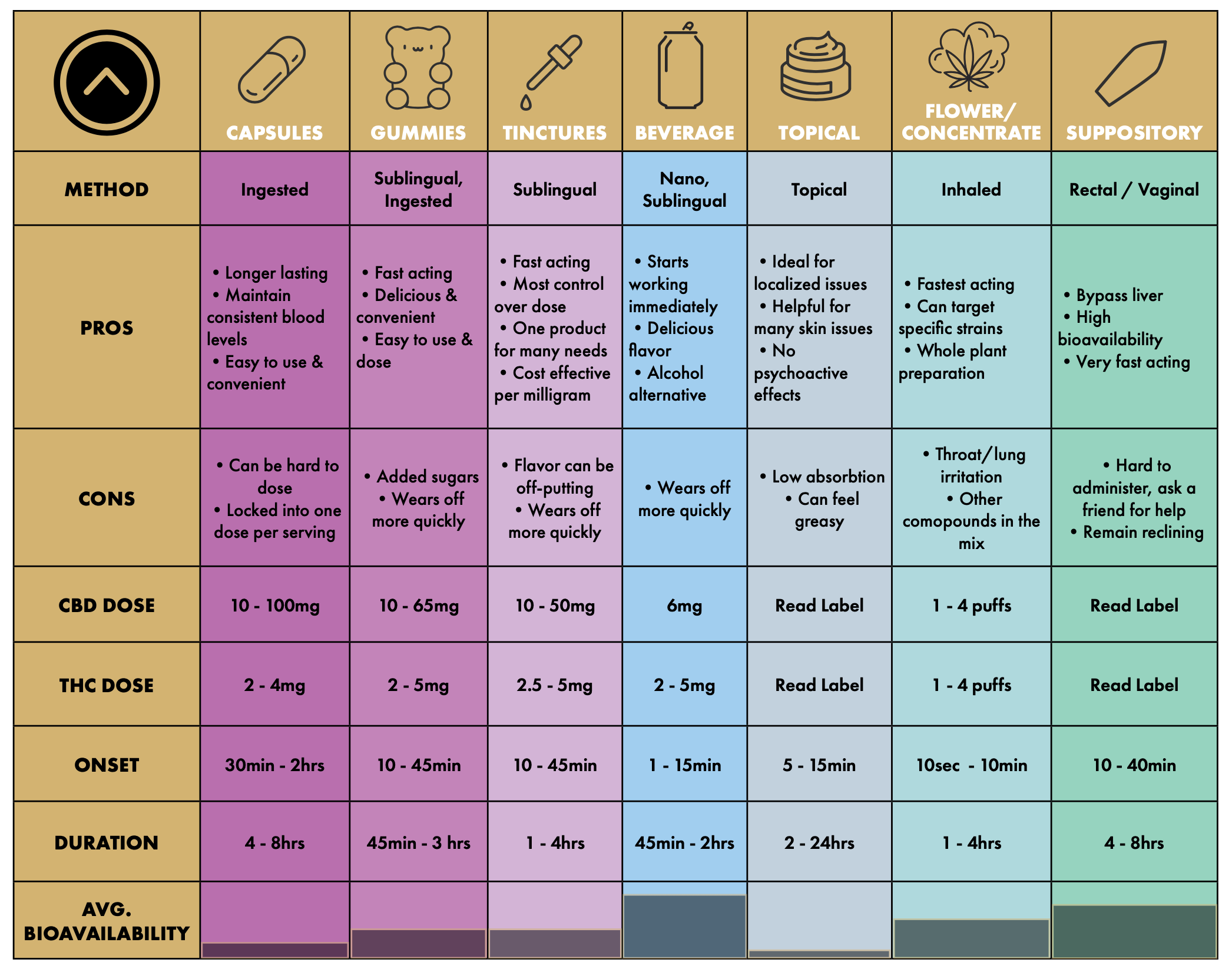
If you’re considering trying CBD for sleep, choosing the right product is critical. There are many options available – oils, capsules, gummies, topicals, and even vapes. I strongly advise against vaping CBD, as the long-term effects of vaping are still unknown and potentially harmful.
Oils (tinctures) and capsules are generally considered the most reliable methods of delivery, offering consistent dosages. Gummies are convenient, but the dosage can be less precise. You’ll also encounter terms like full-spectrum, broad-spectrum, and isolate. Full-spectrum CBD contains all the compounds found in the hemp plant, including a small amount of THC (less than 0.3% in most cases). Broad-spectrum CBD contains most of the compounds, but with the THC removed. Isolate is pure CBD.
I recommend starting with a full-spectrum or broad-spectrum product, as they may offer the "entourage effect" – the idea that the various compounds work together synergistically. However, if you're concerned about THC, an isolate product is a good option. But the most important thing is to ensure the product has been third-party lab tested.
A Certificate of Analysis (COA) is a document from an independent lab that verifies the product’s CBD content and confirms it's free of contaminants like heavy metals and pesticides. Always check for a COA before buying a CBD product. Learn to read a COA – it should list the amount of CBD, THC, and other cannabinoids, as well as the results of contaminant testing.
- Third-Party Lab Testing: Essential for verifying product quality and safety.
- Certificate of Analysis (COA): Confirms CBD content and absence of contaminants.
- Full-Spectrum or Broad-Spectrum: May offer the "entourage effect."
- Avoid Vaping: Potential health risks associated with vaping.
Dosage and Timing: Finding What Works for You
Determining the right CBD dosage for sleep is tricky, as there's no one-size-fits-all answer. It depends on factors like your weight, metabolism, the severity of your sleep issues, and the product you’re using. The studies mentioned earlier used dosages ranging from 25mg to 150mg per day.
I recommend starting with a low dose – perhaps 25mg – and gradually increasing it over time until you find what works best for you. This is what's often called 'start low and go slow'. Pay attention to how your body responds, and don’t be afraid to adjust the dosage as needed. It’s better to take too little than too much.
The timing of your CBD dose is also something to experiment with. Some people find it helpful to take CBD right before bed, while others prefer to take it earlier in the evening. I'm not sure about the optimal timing, and it likely varies from person to person. Start by taking it an hour or two before bedtime and see how it affects you.
Potential Side Effects and Interactions
CBD is generally considered safe, but it can cause side effects in some people. These are usually mild and may include drowsiness, dry mouth, changes in appetite, and diarrhea. It’s important to be aware of these potential effects and adjust your dosage accordingly.
CBD can also interact with certain medications, particularly those metabolized by the liver. This is because CBD can inhibit the activity of certain enzymes that break down drugs. If you’re taking any medications, it’s crucial to talk to your doctor before using CBD. Mayo Clinic confirms that prescription CBD oil is considered an effective anti-seizure medication, indicating established safety for medical use.
Always err on the side of caution and consult with a healthcare professional before adding CBD to your routine, especially if you have any underlying health conditions.
- Common side effects: Drowsiness, dry mouth, changes in appetite, diarrhea.
- Potential drug interactions: CBD can interact with medications metabolized by the liver.
- Consult a doctor: Especially if you have underlying health conditions or are taking other medications.
Where to Find Trusted CBD Products for Sleep
Navigating the CBD market can be overwhelming. There are a lot of companies making a lot of claims, and it’s hard to know who to trust. That’s where MindCBD comes in. We’re a comprehensive directory of global CBD stores and trusted brands, dedicated to helping you find high-quality products.
On MindCBD, you can search for local stores and browse product reviews. We verify the legitimacy of the stores listed in our directory, and we encourage users to share their experiences with different products. We aim to be a reliable resource for anyone looking to explore the world of CBD. Choosing reputable brands and products with third-party testing is the best way to ensure you’re getting a safe and effective product.


No comments yet. Be the first to share your thoughts!