

Defining sustainable CBD beyond the buzzwords
The term "sustainable CBD’ is everywhere, but it’s used loosely. Too often, it feels like brands are simply slapping an ‘eco-friendly’ label on products without making substantial changes. It"s frustrating, honestly. True sustainability in CBD goes far beyond marketing; it encompasses the entire lifecycle of the product, from how the hemp is grown to how the packaging is disposed of.
A genuinely sustainable CBD product considers its environmental and social impact at every stage. This means responsibly sourced hemp, environmentally friendly extraction methods, minimal and recyclable packaging, and ethical labor practices. It’s about minimizing the negative footprint and maximizing positive contributions. We’re looking for a holistic approach, not just a single "green" feature.
Perfection is a myth in manufacturing. I look for brands that show year-over-year progress rather than those claiming a zero-footprint miracle. When we buy from transparent farms, we're essentially voting for better soil health with our wallets. If a brand won't answer a direct question about their runoff, I move on.
Hemp farming from soil to seed
Conventional hemp farming can have a significant environmental impact. Intensive agriculture often relies on synthetic pesticides and fertilizers, which can contaminate soil and water sources. Large-scale monoculture hemp farms can also deplete soil nutrients and reduce biodiversity. Water consumption is another concern, particularly in arid regions.
Regenerative agriculture offers a powerful alternative. Practices like no-till farming minimize soil disturbance, preserving soil structure and reducing erosion. Cover cropping adds organic matter back into the soil, improving its health and fertility. Crop rotation breaks pest and disease cycles, reducing the need for chemical interventions. These methods build soil health, sequester carbon, and enhance biodiversity.
The choice of hemp seed genetics also matters. Heritage strains, adapted to local climates, tend to be more resilient and require fewer inputs. Supporting farmers who prioritize these practices is a crucial step towards a more sustainable CBD industry. While I don’t have precise figures on water usage across different farming methods, the qualitative difference in soil health and ecosystem impact is substantial.
- No-till farming to keep soil structure intact and prevent erosion.
- Cover Cropping: Adds organic matter back to the soil.
- Crop Rotation: Breaks pest and disease cycles.
Extraction Methods & Environmental Impact
Extraction is where the 'green' image often slips. CO2 extraction is the industry darling because it's solvent-free, but the energy required to maintain supercritical pressure is massive. It is a clean end-product, but the carbon cost of the machinery is a heavy trade-off.
Ethanol extraction is another common method. It's generally more efficient than CO2, but it relies on a solvent – ethanol – which needs to be handled and disposed of responsibly. Improper disposal can lead to environmental contamination. Lipid extraction, using oils, is a newer method, but its scalability and overall environmental impact are still being evaluated.
Water-based extraction is gaining traction as a more sustainable alternative. It avoids the use of harsh solvents and operates at lower temperatures, reducing energy consumption. While still relatively new, it shows promise. There isn’t a single "perfect" extraction method, but prioritizing energy efficiency and responsible solvent management is essential.
Packaging: Reducing Waste in a Growing Industry
CBD packaging is a major source of waste. The industry has historically relied heavily on plastic bottles, glass jars, and non-recyclable materials. The sheer volume of packaging generated is alarming, and much of it ends up in landfills. It’s a frustrating situation, especially given the industry’s focus on natural wellness.
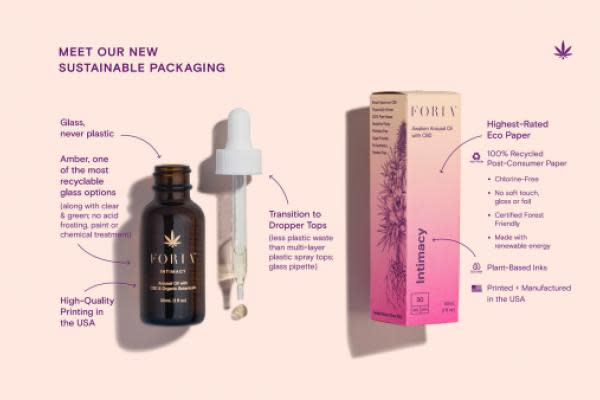
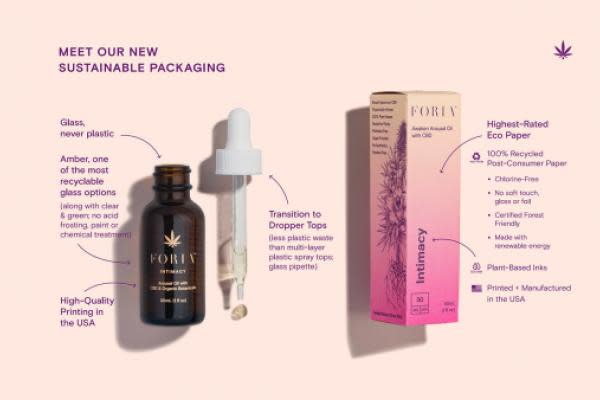
Fortunately, some brands are leading the way with innovative packaging solutions. Compostable packaging, made from plant-based materials, is a promising alternative. Using recycled materials, like post-consumer recycled (PCR) plastic, reduces the demand for virgin plastic. Minimalist packaging designs, reducing the amount of material used overall, are also gaining popularity.
We need to see more companies prioritize packaging sustainability. It’s not enough to simply offer a recyclable option; brands need to actively invest in more sustainable materials and designs. Consumers can also make a difference by choosing brands with eco-friendly packaging and properly disposing of their packaging waste.
- Compostable packaging made from plant fibers that actually break down in a backyard bin.
- Recycled Materials: Using PCR plastic reduces demand for virgin plastic.
- Minimalist Designs: Reducing the amount of material used.
CBD Packaging Sustainability
- Compostable Packaging - Derived from plant-based materials like cornstarch or sugarcane, these packages break down in commercial composting facilities. Look for certifications like BPI or OK Compost HOME to ensure proper compostability.
- Recycled Cardboard/Paper - Utilizing post-consumer recycled content significantly reduces the demand for virgin materials. Often used for boxes and shipping materials, it’s widely recyclable again.
- Glass - Highly recyclable and reusable, glass offers excellent product protection. However, it's heavier than other options, increasing transportation emissions.
- Recycled Plastic (PCR) - Made from previously used plastic materials, PCR plastic reduces reliance on new plastic production. While still plastic, it’s a step towards a circular economy. Look for high PCR content percentages.
- Bioplastics (Non-Compostable) - These are plastics derived from renewable biomass sources, but don’t necessarily break down easily. While they reduce dependence on fossil fuels, proper disposal can be challenging.
- Aluminum - Infinitely recyclable, aluminum is a durable and lightweight option. However, the initial production of aluminum is energy-intensive.
- Standard Plastic - Typically PET or HDPE, these are the least sustainable options due to their reliance on fossil fuels and limited recyclability in many areas. While recyclable, rates remain low.
2026’s Standout Sustainable CBD Brands
Finding a brand that actually walks the walk is harder than it looks. Sunmed is a massive player, and while they hit all the compliance marks, their specific environmental data is still a bit thin for my liking.
Sustainable CBD (@sustainablecbd on Instagram) directly embodies its name, emphasizing natural ingredients and Alabama hemp farming. Their focus on THC-free products and lab testing builds trust. While a smaller operation, they represent a model for conscientious production.
Mind CBD (mind-cbd.com) itself provides a valuable directory. While not a producer, their curated selection of brands allows consumers to find options with verified credentials. They highlight companies prioritizing eco-friendly practices and transparency.
I'm also seeing progress from brands like Joy Organics, which emphasizes organic farming and sustainable packaging. They’ve invested in reducing their carbon footprint and promoting ethical sourcing. Additionally, companies like Hemp Bombs are starting to explore compostable packaging options, though they still have room for improvement.
Finally, Lazarus Naturals is notable for its commitment to affordability and accessibility, alongside sustainable farming practices. Their bulk options reduce packaging waste, and they prioritize transparency in their supply chain. These brands aren’t perfect, but they represent a positive shift in the industry.
Featured Products
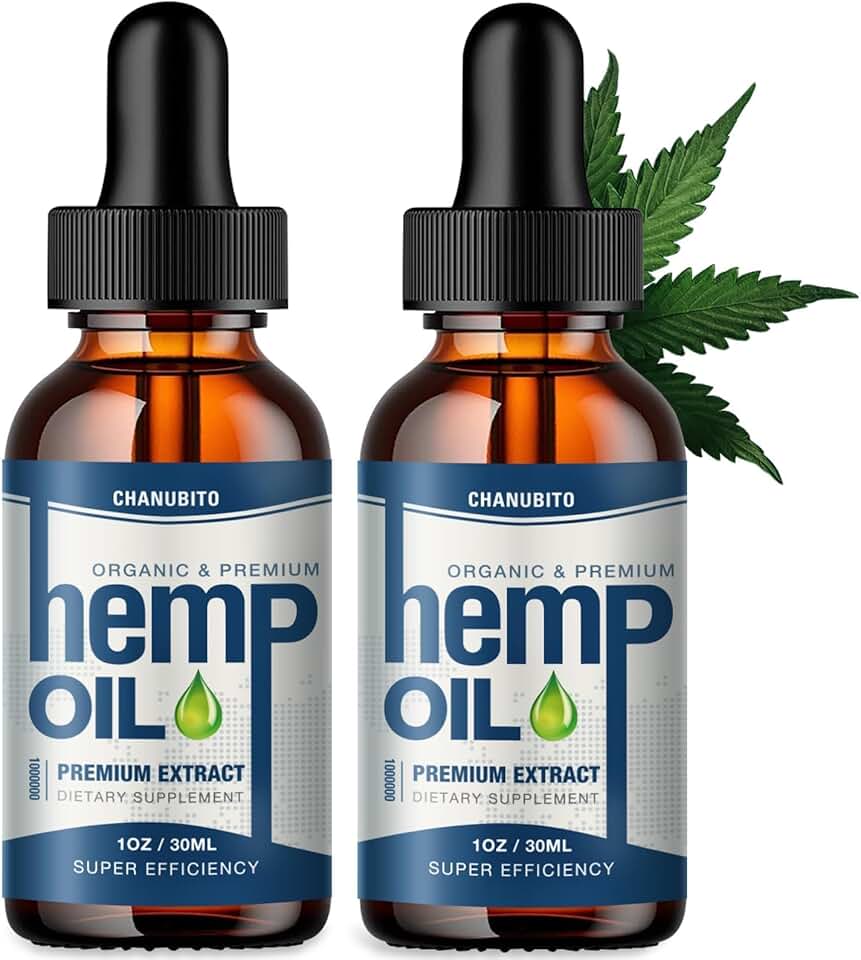
Organic, high potency hemp oil drops · 1,000,000 maximum strength formula · Supports mood, pain relief, skin health
This brand offers a potent, organic hemp oil tincture that supports various wellness aspects, aligning with eco-conscious consumer choices.
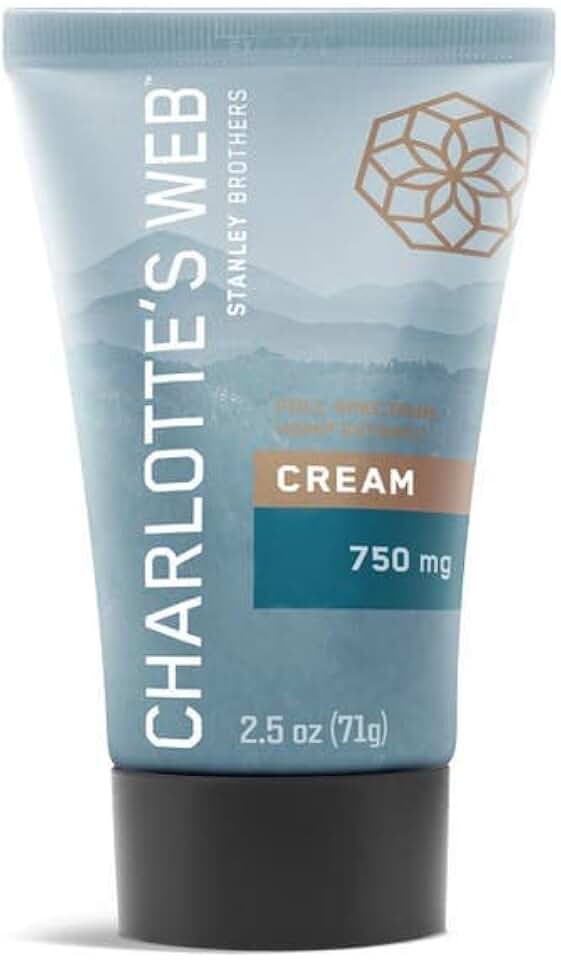
Unscented hemp cream for dry skin · Natural, cruelty-free, and vegan formula · Moisturizing and soothing properties
Charlotte's Web provides a vegan and cruelty-free hemp cream, a sustainable option for skin hydration that appeals to environmentally aware consumers.
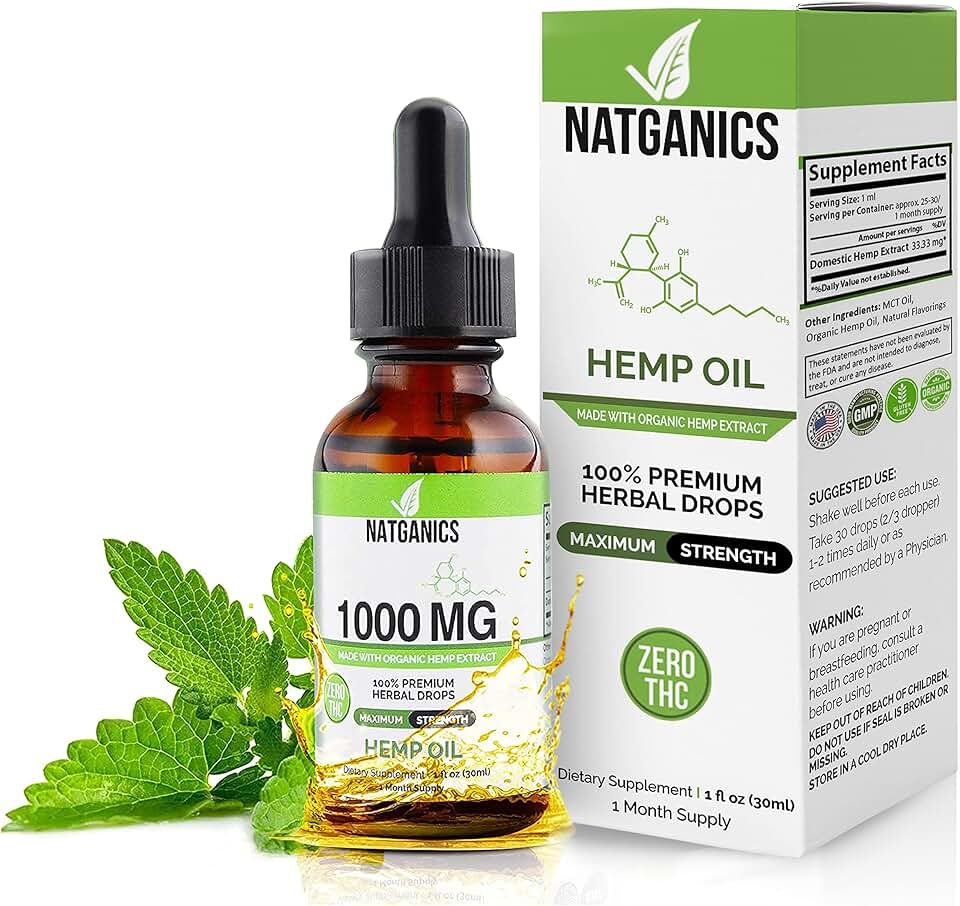
Organic hemp oil extract tincture, 1000mg · Ultra-pure CO2 extracted for purity · Rich in Omega Fatty Acids 3, 6, 9
This ultra-premium hemp oil is organically grown and extracted using a clean CO2 method, offering a pure and sustainable choice for wellness.

High potency hemp oil, maximum strength · Supports immune system, focus, and calm · Organic, vegan, and non-GMO formulation
This two-pack of high-potency hemp oil provides comprehensive wellness support with an organic and vegan formulation, fitting for eco-conscious buyers.
As an Amazon Associate I earn from qualifying purchases. Prices may vary.
The reality of CBD certifications
Navigating CBD certifications can be confusing. "Organic’ certification, while valuable, doesn"t necessarily guarantee a fully sustainable product. It focuses primarily on farming practices, not extraction, packaging, or transportation. USDA Hemp is a relatively new certification, and its standards are still evolving.
The US Hemp Authority certification verifies that a product meets certain quality and safety standards, but it doesn’t specifically address sustainability. It’s a good indicator of product quality, but it shouldn’t be the sole basis for your decision. Some certifications are more rigorous and comprehensive than others.
It’s important to look beyond the label and research the specific standards behind each certification. Don’t assume that a certification automatically means a product is fully sustainable. Use certifications as one piece of the puzzle, alongside your own research and due diligence.
Common CBD Certifications: A Comparison (2026)
| Certification Name | Governing Body | What it Certifies | Limitations/Weaknesses |
|---|---|---|---|
| USDA Organic | United States Department of Agriculture | Ensures CBD products are grown and processed according to federal organic standards. Covers soil quality, pest control, and prohibits synthetic fertilizers. | Specifically addresses agricultural practices; doesn’t guarantee purity regarding solvents used in extraction or final product testing for contaminants beyond pesticides. |
| US Hemp Authority Certification | US Hemp Authority | Verifies that a CBD product has been tested for potency, purity, and contaminants. Also assesses manufacturing processes and compliance with regulations. | Certification is voluntary, and some argue the standards aren’t stringent enough to fully address all consumer safety concerns. Relies on self-reporting from companies. |
| Good Manufacturing Practice (GMP) Certification | Independent Third-Party Auditors (e.g., NSF International, SGS) | Confirms that a manufacturer consistently produces and controls products according to quality standards. Focuses on process control and documentation. | GMP doesn’t specifically address CBD or hemp; it’s a general manufacturing standard. Does not guarantee product potency or purity regarding specific CBD content. |
| ISO 9001 Certification | International Organization for Standardization | Demonstrates a company’s commitment to quality management and customer satisfaction. Focuses on consistent provision of products and services. | Similar to GMP, it’s a general standard and doesn’t specifically address the unique aspects of CBD production or quality control. |
| Oregon Department of Agriculture Hemp Seed Certification | Oregon Department of Agriculture | Certifies the quality and genetic purity of hemp seeds used for cultivation. | Only applies to the seed source, not the entire production process or the final CBD product. Doesn't guarantee the absence of contaminants in the finished product. |
| Colorado Department of Agriculture Hemp Program | Colorado Department of Agriculture | Regulates hemp cultivation and testing within the state of Colorado, ensuring compliance with state and federal regulations. | Scope is limited to hemp grown within Colorado. Standards and testing requirements may differ from other states. |
Illustrative comparison based on the article research brief. Verify current pricing, limits, and product details in the official docs before relying on it.
Supply Chain Transparency: Following the CBD Trail
Traceability is paramount. Consumers deserve to know exactly where their CBD comes from, how it’s processed, and who’s involved in every step of the supply chain. Unfortunately, many CBD companies lack full transparency, making it difficult to verify their claims.
Brands that are actively working to improve traceability are using technologies like blockchain to track their products from seed to sale. They’re also providing detailed information about their sourcing practices and manufacturing processes on their websites. This level of transparency builds trust and accountability.
Supply chain transparency is a complex issue, but it’s essential for creating a more sustainable and ethical CBD industry. By demanding greater transparency, consumers can encourage companies to prioritize responsible practices.
No comments yet. Be the first to share your thoughts!