
Beyond Oil: A New Generation of CBD
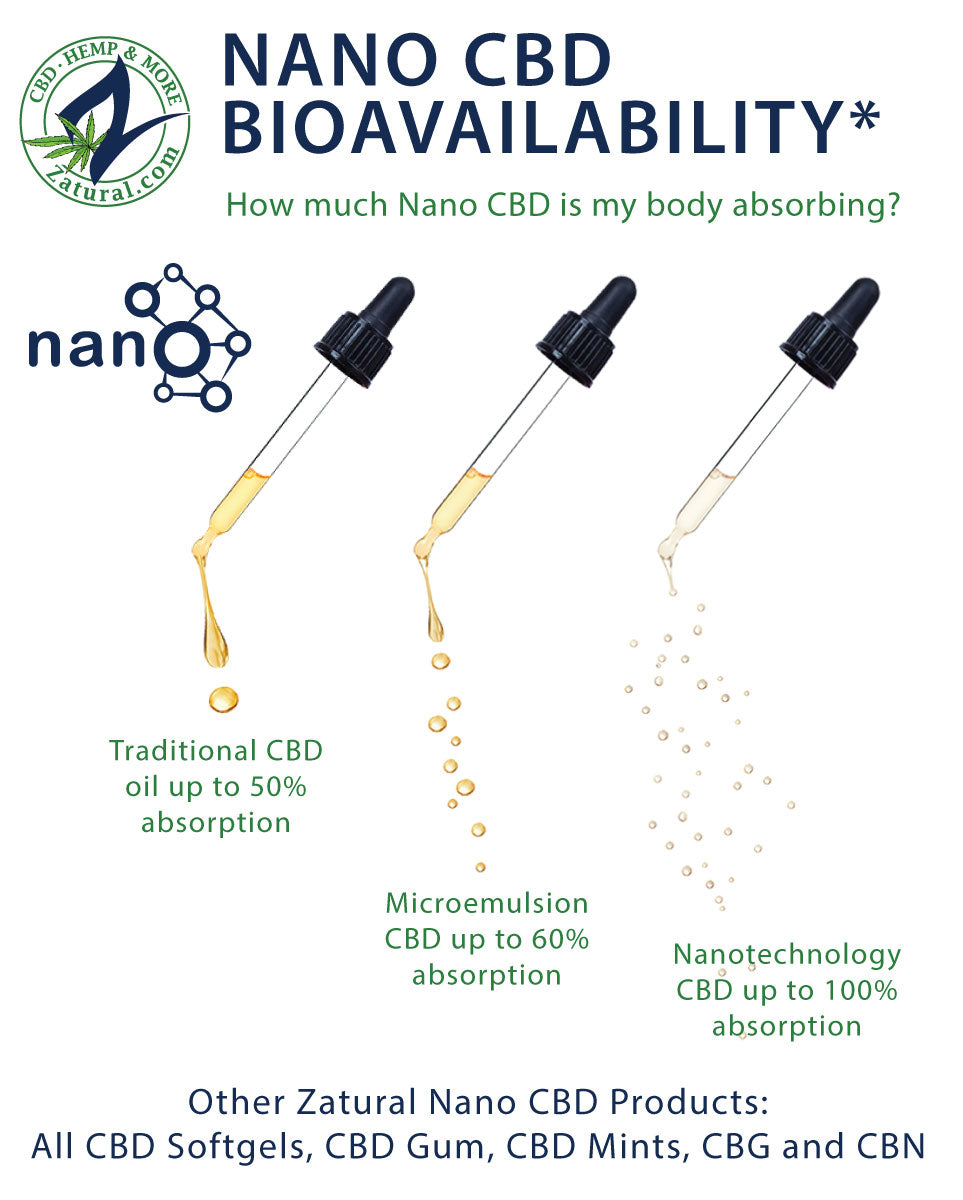
For years, CBD has been marketed in familiar forms: oils, capsules, gummies. But a new approach is gaining traction – nano-CBD. The core idea is simple: shrink the CBD molecule to dramatically improve how your body absorbs it. Traditional CBD, while offering potential benefits, often struggles with low bioavailability. This means a significant portion of what you consume isn’t actually utilized by your body.
The problem isn’t the CBD itself, but how it’s delivered. It’s a fat-soluble compound, meaning it doesn’t mix well with water, and our bodies are mostly water. Nano-CBD aims to bridge this gap. By reducing the size of CBD particles to the nanoscale, manufacturers hope to increase its solubility and, crucially, its absorption rate. We’re seeing a lot of innovation in this space, and 2026 is shaping up to be a pivotal year for nano-CBD products.
This isn’t just hype. The push for nano-CBD comes from a genuine need to overcome the limitations of traditional methods. The potential for more effective and targeted CBD delivery is a compelling one, and we’re starting to see products that reflect this shift. Over the next few sections, we’ll detail exactly how nano-CBD works, what the research says, and what options are available to consumers today.
The Bioavailability Bottleneck
Bioavailability is the percentage of a substance that enters your circulation and has an active effect. Traditional CBD often faces a significant bioavailability hurdle – estimates typically range from 6% to 15% when taken orally. This low rate is largely due to the "first-pass metabolism" in the liver. When you ingest CBD, it travels to the liver, where a large portion is broken down before it can reach the bloodstream.
The method of consumption plays a huge role. Sublingual administration – holding CBD oil under your tongue – bypasses some of the first-pass metabolism, potentially increasing bioavailability to around 13-35%. Capsules and edibles, however, are subjected to more extensive breakdown in the liver, resulting in lower absorption rates. Even the type of oil used as a carrier can impact absorption; MCT oil is often preferred over hemp seed oil due to its better absorption profile.
Formulation also matters. Encapsulating CBD in liposomes (tiny fat bubbles) can slightly improve absorption, but it doesn’t address the fundamental issue of water solubility. The size of the CBD particles remains a limiting factor. Think of trying to dissolve a large chunk of butter in water – it won't mix well. That’s essentially what’s happening with traditional CBD in your digestive system. The body struggles to efficiently process and utilize it.
Nano-CBD: Breaking Down the Barriers
Nano-CBD tackles the bioavailability problem head-on by reducing the size of CBD particles to between 1 and 100 nanometers – that's incredibly small. To put it in perspective, a nanometer is one-billionth of a meter. This reduction in particle size dramatically increases the surface area, making the CBD more easily dissolved and absorbed. It also enhances water solubility, allowing it to bypass some of the barriers that hinder traditional CBD.
The process typically involves encapsulation, where CBD molecules are enclosed within a carrier substance. Common encapsulation methods include liposomes (spherical vesicles made of lipids) and micelles (aggregates of surfactant molecules). These carriers not only protect the CBD from degradation but also help deliver it more effectively to target cells. Different manufacturers use different encapsulation techniques, which can affect the final product’s performance.
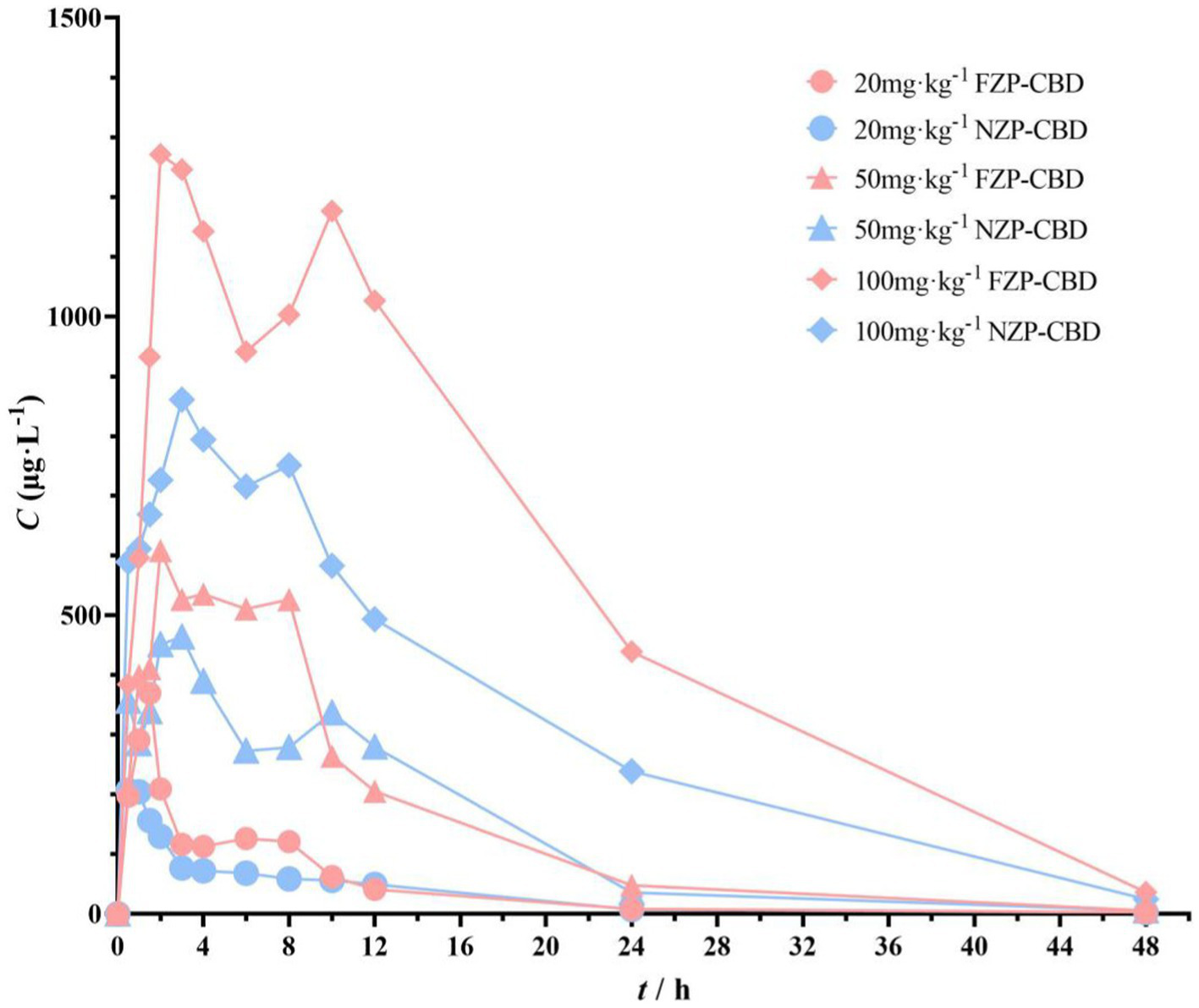
The potential for enhanced absorption is significant. While precise figures vary depending on the formulation and individual factors, some studies suggest nano-CBD can achieve bioavailability rates several times higher than traditional CBD. A recent article on phys.org highlighted how nano-encapsulated CBD shows promise for pain relief by enhancing brain delivery and targeting disease-related neural overactivity. This is a critical point, as getting CBD to the brain is notoriously difficult with traditional methods.
Nano-CBD isn’t limited to oral consumption. The increased water solubility also makes it suitable for topical applications, potentially allowing for more effective localized relief. The smaller particle size may enable better penetration through the skin barrier, although more research is needed in this area. The key takeaway is that reducing particle size is a fundamental shift in how we approach CBD delivery.
- Liposomes: Spherical vesicles made of lipids that encapsulate CBD.
- Micelles: Aggregates of surfactant molecules that encapsulate CBD.
- Polymeric Nanoparticles: CBD encapsulated in biodegradable polymers.
Traditional CBD vs. Nano-CBD: A Comparative Overview (2026)
| Particle Size | Water Solubility | Absorption Rate | First-Pass Metabolism | Potential for Targeted Delivery |
|---|---|---|---|---|
| Traditional CBD | Relatively Large | Low | Moderate to High | Limited |
| Nano-CBD | Extremely Small | High | Potentially Improved | Greater potential, research ongoing |
| Traditional CBD | Oil-based | Requires emulsification for water-based applications | Significant portion may be lost | Generally systemic |
| Nano-CBD | Easily dispersible in water | Faster potential uptake | May bypass some first-pass metabolism | Research suggests potential for brain delivery |
| Traditional CBD | Standard extraction and formulation methods | Generally stable | Well-established, but bioavailability can vary | Broad effects throughout the body |
| Nano-CBD | Requires specialized techniques (e.g., nano-emulsification) | Stability can be a concern; formulation dependent | May offer more consistent effects | Emerging research into specific tissue targeting |
Qualitative comparison based on the article research brief. Confirm current product details in the official docs before making implementation choices.
Pain Relief and Brain Delivery: Emerging Research
The potential benefits of nano-CBD extend beyond simply increasing absorption. The ability to more effectively deliver CBD to the brain is particularly exciting, especially for conditions involving neurological pathways. The Instagram post detailing nano-micelle CBD calming hyperactive pain circuits without sedation or side effects is a compelling, though anecdotal, example of this potential.
The research highlighted by phys.org expands on this, suggesting that nano-encapsulation can target only disease-related neural overactivity. This targeted approach is crucial, as it minimizes the potential for unwanted side effects. Traditional CBD, lacking this precision, may interact with a broader range of receptors, leading to less predictable outcomes.
It's important to emphasize that much of this research is still preliminary. While the early findings are promising, more rigorous clinical trials are needed to confirm these benefits and establish optimal dosages. We shouldn’t overstate the claims. Nano-CBD isn’t a cure-all, but it represents a significant advancement in CBD delivery with the potential to address previously difficult-to-treat conditions.
Product Spotlight: Nano-CBD Options in 2026
The nano-CBD market is rapidly expanding, with a growing number of products available in 2026. CBD Living Gummies 300mg are a popular choice, utilizing nano-emulsion technology for enhanced bioavailability. For tinctures, the Nano CBD Broad Spectrum Tincture 2000 mg Orange (as listed in the NIH DSLD) offers a potent and flavorful option. Remember to check the official site or trusted retailers for the latest lab documentation, as prices can fluctuate.
Several companies are also offering nano-CBD topicals, such as creams and lotions designed for localized pain relief. These products often combine nano-CBD with other beneficial ingredients like essential oils and botanical extracts. It's crucial to look for products that have been third-party tested to verify CBD content and purity.
Mind-CBD, a French brand, stands out for its commitment to organic hemp grown in Europe and demanding production methods. While their specific nano-CBD offerings in 2026 may vary, their focus on quality and sustainability makes them a brand worth considering. Always prioritize transparency and verifiable lab results when selecting a nano-CBD product.
Beyond these examples, you’ll find nano-CBD softgels, capsules, and even beverages entering the market. The key is to research each product carefully, paying attention to the encapsulation method, CBD concentration, and third-party testing results.
Featured Products
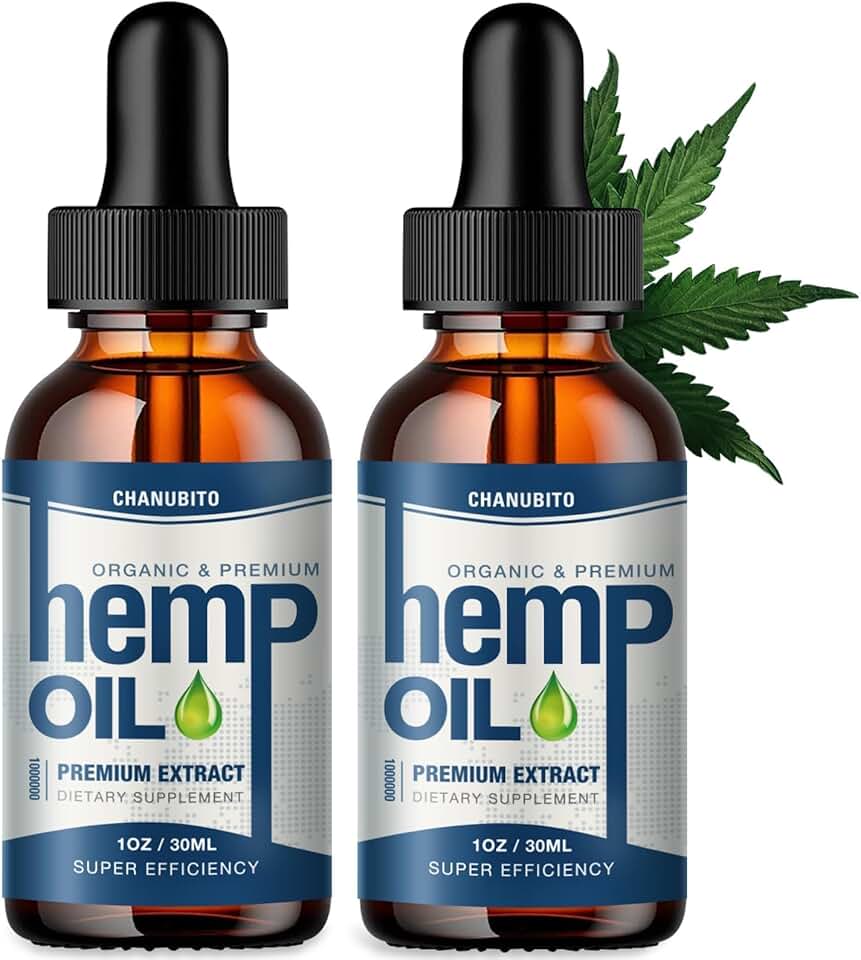
High Potency Organic Hemp Oil · 1,000,000 Maximum Strength · Natural Hemp Drops for Mood, Pain, Sleep, and Skin
This product represents a high-potency traditional CBD option, useful for comparing absorption rates with nano-CBD.
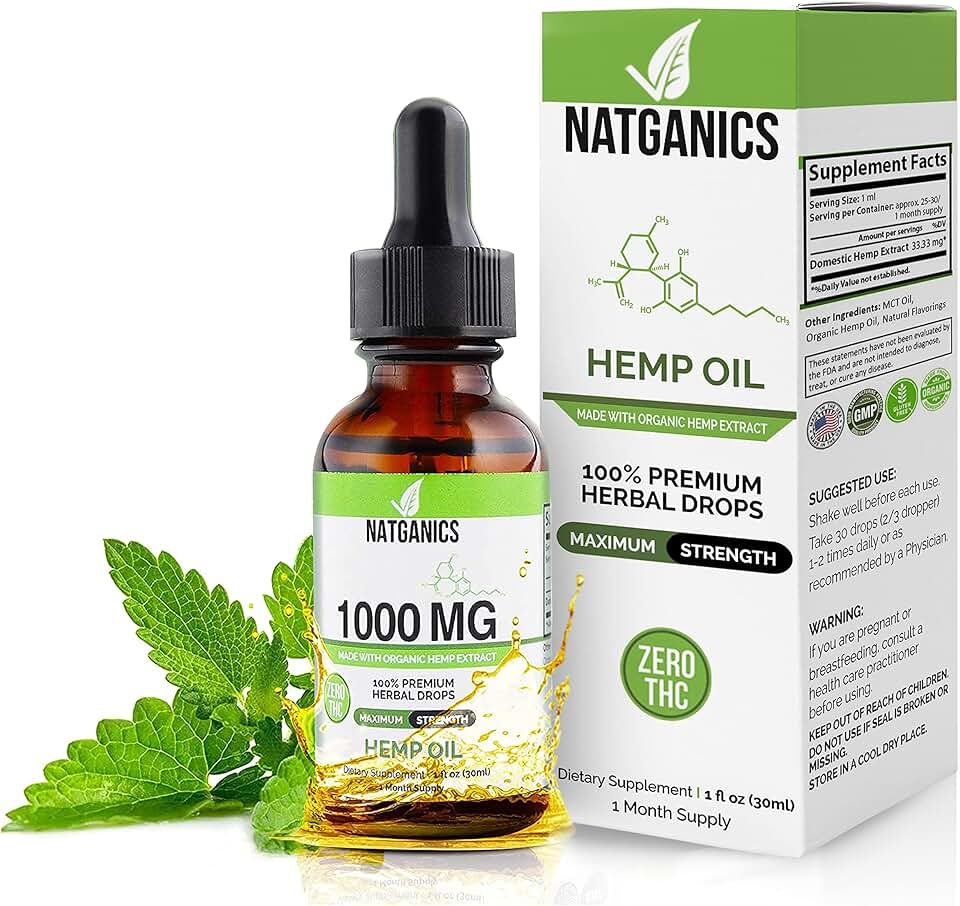
Organic Hemp Oil 1000mg · Ultra-Pure CO2 Extracted · Contains Omega Fatty Acids 3, 6, 9
This 1000mg organic hemp oil provides a standard benchmark for traditional CBD effectiveness and formulation.

Nano Water-Soluble Hemp · Ultra-Fast-Acting Drops · 3X Faster, 9X Absorption
This nano-CBD product highlights superior bioavailability and rapid absorption, key differentiators from traditional CBD.

High Potency Hemp Oil (2-Pack) · Supports Immune System, Focus, Calm, and Relaxation · Pure Extract, Organic, Vegan, Non-GMO
This value pack of high-potency traditional hemp oil allows for a cost-effectiveness comparison against nano-CBD.

Premium Hemp Gummies · Advanced Extra Strength for Pain, Sleep, and Anxiety Relief · Contains Omega 3, 6, 9; Vegan, Gluten-Free
These hemp gummies offer a traditional CBD delivery method, useful for comparing the effectiveness and onset time with nano-CBD formulations.
As an Amazon Associate I earn from qualifying purchases. Prices may vary.
Comparing Costs: Nano vs. Traditional
Generally, nano-CBD products are more expensive than their traditional counterparts. This increased cost is due to the more complex manufacturing processes involved in reducing particle size and encapsulation. You might pay $70-$100 for a 30ml nano-CBD tincture, whereas a similar traditional tincture might cost $50-$70.
However, it’s important to consider the cost per milligram of CBD and cost per dose. If nano-CBD’s enhanced bioavailability means you need a lower dose to achieve the same effects, it could potentially be more cost-effective in the long run. For example, if 10mg of nano-CBD is equivalent to 20mg of traditional CBD, the nano-CBD product may offer better value.
Pricing varies significantly between brands and product types. It’s essential to compare prices carefully and consider the overall value proposition. Don’t automatically assume that the most expensive product is the best—look for a balance between price, quality, and third-party testing.
Safety and Considerations
While nano-CBD is generally considered safe, potential long-term effects of nanoparticle ingestion are still being studied. Some concerns have been raised about the accumulation of nanoparticles in the body, but more research is needed to fully understand these risks. Choosing reputable brands with rigorous testing protocols is crucial to minimize potential hazards.
It’s also important to consider potential drug interactions. CBD can interact with certain medications, and nano-CBD’s increased bioavailability may amplify these interactions. Always consult with your doctor before using CBD, especially if you are taking any prescription medications. Look for brands that provide clear information about potential interactions.
Third-party testing is paramount. This ensures that the product contains the stated amount of CBD and is free from contaminants like heavy metals and pesticides. Look for Certificates of Analysis (COAs) from independent laboratories.
Future Trends and Research
Ongoing research is focused on refining nano-CBD technology and exploring new applications. Scientists are experimenting with different encapsulation methods and carrier substances to further enhance bioavailability and targeted delivery. We’re likely to see more sophisticated nano-CBD formulations emerge in the coming years.
Beyond pain management, researchers are investigating the potential of nano-CBD for treating anxiety, inflammation, and neurodegenerative diseases. The ability to effectively deliver CBD to the brain opens up exciting possibilities for addressing neurological disorders. The field is rapidly evolving, and we can expect to see significant advancements in the years ahead.
Ultimately, the future of CBD lies in personalized medicine. Tailoring CBD dosages and delivery methods to individual needs will be key to maximizing its therapeutic benefits. Nano-CBD is a step in that direction, offering a more precise and effective way to harness the power of this versatile compound.

No comments yet. Be the first to share your thoughts!