

The shift toward automated CBD
The CBD market is moving past its initial hype. Companies like Green Roads already use basic automation for supply chains, while Charlotte’s Web uses data to track what people actually buy. These back-end shifts are the first step toward more specific product development based on actual usage patterns rather than guesswork.
By 2026, the influence of Artificial Intelligence will be far more visible to the average shopper. Expect to see AI woven into nearly every aspect of the CBD experience, from personalized product recommendations to stricter quality control measures. This isn't about replacing human interaction entirely; it’s about augmenting it, creating a more informed and efficient experience for both consumers and retailers. I’m not predicting a complete overhaul overnight, but a steady evolution towards smarter, data-driven practices.
The initial focus is on solving some of the industry’s biggest pain points. Concerns about product consistency, accurate labeling, and navigating a crowded marketplace are all areas where AI can offer real solutions. We're seeing early indications of this—companies are starting to use AI-powered analytics to verify lab reports and identify potential contaminants. It’s a response to consumer demand for transparency and a desire to build trust in a relatively new industry.

Algorithms and custom dosing
The idea of personalized medicine isn't new, but applying it to CBD is where things get interesting. Currently, many online CBD retailers rely on simple quizzes – "What are you hoping to achieve?" – to suggest products. These are a starting point, but they are incredibly limited. AI algorithms can go much deeper, considering a wider range of data points to create truly tailored recommendations.
Imagine an AI that factors in your body weight, metabolism, existing medications, and even genetic predispositions (if you’re willing to share that data). It could analyze your sleep patterns via a wearable device, or assess your stress levels through voice analysis. This data could then be used to determine the optimal CBD dosage, delivery method, and cannabinoid profile for your specific needs. It's a level of precision we simply haven’t seen before.
Personalization requires trust. If you're handing over sleep data or genetic markers, you need to know where that data sits and who sees it. Brands like Joy Organics will have to explain exactly why an algorithm suggests a specific 25mg softgel over a tincture, or risk losing customers to the 'black box' effect.
The potential benefits are significant. Instead of a trial-and-error approach, people could find the right CBD products more quickly and efficiently, maximizing their potential benefits. But we need to proceed cautiously, prioritizing data security and user control.
Find Your Ideal CBD Profile
The CBD market is rapidly evolving, with AI playing a growing role in personalizing experiences. This short quiz isn't a diagnosis, but a starting point to help you consider which types of CBD products might best align with your needs. Remember, individual responses to CBD vary, and consulting with a healthcare professional is crucial before starting any new wellness regimen.
How local shops are changing
The physical CBD dispensary is evolving, and AI is playing a key role. We're already seeing the emergence of digital kiosks that offer personalized product recommendations based on customer input. Soon, these kiosks will likely incorporate more sophisticated AI algorithms, providing even more accurate and tailored suggestions. Think of it as a virtual budtender, available 24/7.
AI-powered inventory management systems are also becoming increasingly common. These systems can track sales data, predict demand, and optimize stock levels, reducing waste and ensuring that popular products are always in stock. This is particularly important for smaller dispensaries that may not have the resources for manual inventory tracking.
There’s been discussion about facial recognition technology for age verification, and while it offers a convenient solution, it raises legitimate privacy concerns. It’s a tricky area, and dispensaries will need to carefully weigh the benefits against the potential risks. The impact on budtenders is also a concern. AI isn’t likely to replace them entirely, but it will likely change their role. They’ll need to become more knowledgeable about the technology and focus on providing personalized customer service and education.
I suspect smaller, independent shops will adopt these technologies more slowly, potentially focusing on AI-driven inventory management first. Larger chains, like Curaleaf, will likely be early adopters of more advanced AI solutions.
Smart Dispensary Features
- Personalized Recommendations - AI algorithms analyze customer purchase history, reported effects, and even potentially lifestyle data (with consent) to suggest CBD products tailored to individual needs. This goes beyond simple ‘similar items’ suggestions.
- Automated Inventory Management - Real-time tracking of stock levels using computer vision and sales data minimizes waste, prevents stockouts, and optimizes ordering. Systems like those offered by companies specializing in retail automation are being adapted for the CBD space.
- Streamlined Checkout Experiences - AI-powered self-checkout kiosks, and mobile POS systems reduce wait times and improve transaction accuracy. Integration with loyalty programs and age verification systems enhances security and customer convenience.
- Enhanced Security Measures - AI-driven video analytics and facial recognition (where legally permissible and with appropriate privacy safeguards) can help detect and prevent theft, as well as ensure compliance with age restrictions.
- Data-Driven Business Insights - AI analyzes sales trends, customer demographics, and product performance to provide dispensary owners with actionable insights for optimizing inventory, marketing campaigns, and overall business strategy.
- Interactive Product Displays - Digital displays utilizing augmented reality (AR) or virtual reality (VR) allow customers to virtually ‘try’ different products or visualize effects. These displays can also provide detailed product information and customer reviews.
- Remote Consultations & Support - AI-powered chatbots and virtual assistants offer 24/7 customer support, answer frequently asked questions, and even conduct preliminary consultations to help customers find the right products. Integration with telehealth platforms is also emerging.
Automated lab verification
One of the biggest challenges facing the CBD industry is a lack of consistent quality control. Lab reports can be difficult to interpret, and there’s always the risk of inaccurate labeling or contamination. AI offers a powerful solution to this problem. Algorithms can be trained to analyze lab reports, identify discrepancies, and flag potential issues.
This isn’t about replacing human lab technicians; it’s about providing an additional layer of verification. AI can quickly scan hundreds of lab reports, looking for patterns and anomalies that a human might miss. It can also be used to detect contaminants, such as pesticides or heavy metals, with greater accuracy. The MindCBD directory is already moving in this direction, aiming to provide consumers with more reliable product information.
Third-party testing is still essential, but AI can make that process more efficient and reliable. By verifying the accuracy of lab reports, AI can help to build trust in CBD products and protect consumers from harm. This is especially important for products marketed for specific health conditions.
According to MindCBD, AI-verified product reviews are revolutionizing how consumers shop for CBD. This means that you’re more likely to find products that meet your standards for quality and potency. It’s a step towards a more transparent and trustworthy CBD market.
Traditional Lab Testing vs. AI-Assisted Analysis for CBD Product Quality
| Accuracy | Speed | Cost | Contaminant Detection | Transparency |
|---|---|---|---|---|
| Traditional | Medium | Medium | Medium | Medium |
| AI-Assisted | High | High | Medium | High |
Illustrative comparison based on the article research brief. Verify current pricing, limits, and product details in the official docs before relying on it.
Top AI-Powered CBD Products to Watch (2026)
Predicting specific products is difficult, but several categories are poised to benefit significantly from AI advancements. We’re already seeing "smart" vaporizers with dosage tracking and personalized temperature settings. By 2026, these devices will likely incorporate more sophisticated AI algorithms, learning your preferences and automatically adjusting settings for optimal results. Pax Labs and Storz & Bickel are likely to be at the forefront of this innovation.
Personalized CBD oil blends based on AI analysis are another area to watch. Companies like Elixinol could offer customized formulations based on your individual needs and preferences, determined through data collected from wearable devices or online questionnaires. This moves beyond simply choosing a full-spectrum or isolate product.
Products with blockchain-verified supply chains are also gaining traction. Blockchain technology provides a secure and transparent record of every step in the production process, from seed to sale. AI can be used to analyze this data, ensuring the authenticity and quality of the product. This is particularly appealing to consumers who are concerned about the origin of their CBD.
I’m also keeping an eye on AI-powered apps that provide personalized CBD dosage recommendations. These apps could integrate with wearable devices and other health trackers to provide even more accurate and tailored guidance. Many of these products will be discoverable through the MindCBD directory, which is increasingly focused on vetting product quality and transparency.
AI-Powered CBD Innovations for the Modern Consumer

High potency organic hemp oil drops · Supports mood, pain relief, sleep, and skin health · Vegan and Non-GMO formula
This high-potency hemp oil tincture exemplifies the natural, high-quality ingredients that AI can help optimize for targeted wellness benefits.

Workbook focused on Anxiety & Depression · Explores the ABCD's of CBD · Educational tool for understanding CBD's role
This workbook highlights how AI can personalize educational content, making complex topics like CBD's impact on mental health more accessible.

Zero sugar hemp gummies · Infused with Hemp Oil, Ashwagandha, and L-Theanine · Promotes peace and relaxation
These zero-sugar gummies demonstrate AI's potential in formulating supplements with synergistic ingredients for enhanced relaxation and wellness.
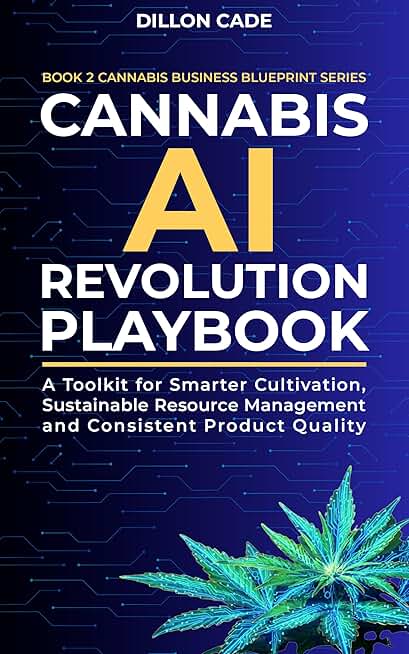
Toolkit for smarter cannabis cultivation · Focuses on sustainable resource management · Aims for consistent product quality
This playbook is a prime example of how AI is being applied to revolutionize the operational aspects of the cannabis industry, from cultivation to quality control.

Nicotine-free herbal vapor pen · Supports lung detox and cleanser · Contains natural Apple, Thyme & Mullein extracts
While not CBD, this nicotine-free vapor pen showcases AI's role in developing innovative, natural wellness alternatives, mirroring the trend towards personalized, health-conscious products.
As an Amazon Associate I earn from qualifying purchases. Prices may vary.
The Future of CBD Retail: Integration & Data
The future of CBD retail lies in seamless integration between online marketplaces like MindCBD and physical dispensaries. Imagine browsing products online, receiving personalized recommendations based on your past purchases and preferences, and then visiting a local dispensary to pick up your order. This requires a robust data infrastructure and a willingness to share information between retailers.
Data analytics will play a crucial role in predicting consumer demand and optimizing product offerings. By analyzing sales data, website traffic, and social media trends, retailers can identify emerging trends and adjust their inventory accordingly. This will help to reduce waste and ensure that they are offering the products that consumers want.
However, data security and interoperability are significant challenges. Protecting consumer data is paramount, and retailers need to invest in robust security measures. Furthermore, different retailers may use different data formats and systems, making it difficult to share information seamlessly. It’s a complex undertaking, but one that is essential for the future of the CBD industry.
It’s not about creating a completely unified system overnight. It's about building bridges between online and offline experiences, leveraging data to improve the customer journey, and fostering a more transparent and trustworthy marketplace.
No comments yet. Be the first to share your thoughts!