
Global CBD: A 2026 Snapshot
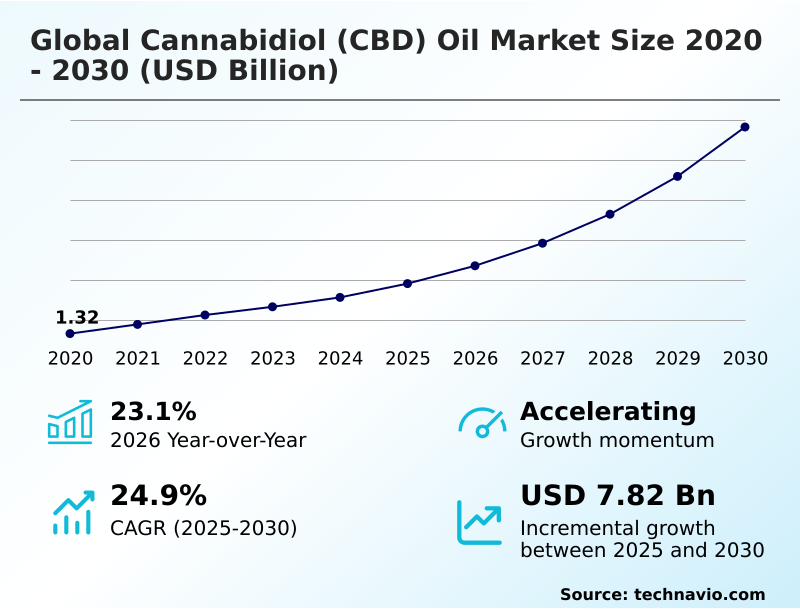
The global CBD market is currently experiencing a period of significant growth, though it’s also facing increasing scrutiny. Major markets like the United States, Germany, and Canada continue to drive demand, but we’re seeing increased interest from Asia-Pacific countries like Japan and South Korea. This isn’t just about wellness products; CBD is being explored for potential applications in pharmaceuticals, cosmetics, and even animal health.
Estimates for the 2026 CBD market vary, but a conservative projection puts the global market value around $47.22 billion USD. This growth is largely fueled by shifting regulations and increasing consumer acceptance. It's a substantial jump from the $27.69 billion valuation in 2022, demonstrating a consistent upward trend, though growth rates will likely moderate as the market matures.
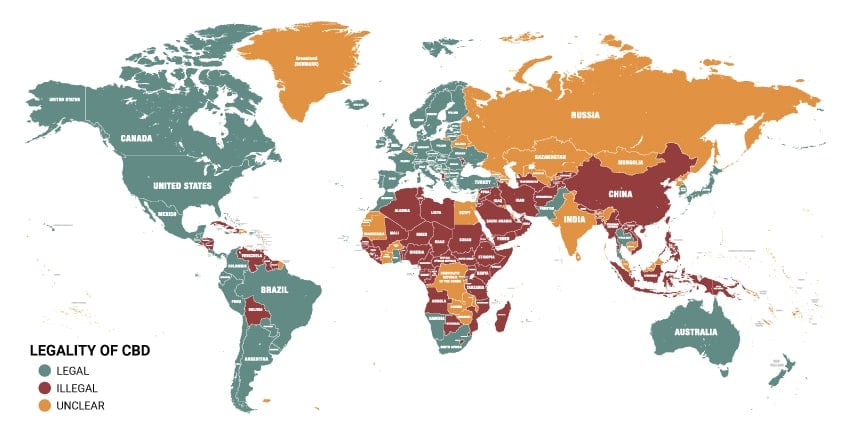
Regulation is undeniably the biggest factor shaping the market. Countries are taking different approaches, from full legalization to strict restrictions. This patchwork of laws creates both opportunities and challenges for businesses. The United States, for example, operates under a complex federal-state system, while the European Union is working towards greater harmonization of rules. This regulatory uncertainty does make long-term planning difficult, but it also creates niches for agile companies.
I think it’s reasonable to expect continued expansion, particularly in areas where regulatory frameworks become clearer. The key will be navigating these changes and demonstrating the safety and efficacy of CBD products. We’re moving beyond the initial hype cycle and into a phase of more informed consumer choices and stricter quality control.
New Storefronts: Hotspots for 2026
Several countries are poised for significant CBD retail expansion in 2026. Germany, following its recent legalization of recreational cannabis (including CBD-rich products), is a clear frontrunner. We’re already seeing a surge in interest from investors and entrepreneurs looking to establish a presence there. Italy is also an attractive market, with a growing consumer base and relatively favorable regulations, though regional variations exist.
Beyond Europe, Thailand is emerging as a potential hotspot. The country has been gradually easing restrictions on CBD, and its tourism industry could provide a significant boost to sales. However, it’s crucial to understand the specific regulations regarding product types and THC content. Mexico is another country to watch, with ongoing discussions about cannabis legalization creating opportunities for CBD businesses.
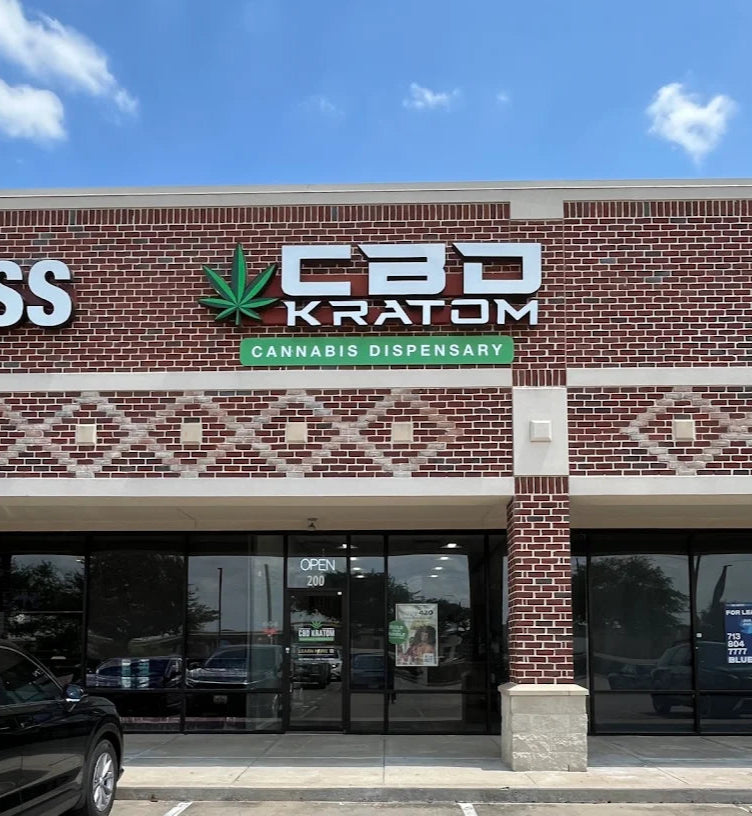
The retail landscape is evolving. While dedicated CBD boutiques are still popular, particularly for consumers seeking expert advice and specialized products, we’re also seeing increased integration into existing retail channels. Pharmacies in Europe are beginning to stock CBD products, and health food stores worldwide are expanding their offerings. This broader retail access is crucial for mainstream adoption.
I expect to see a rise in 'CBD cafes' and wellness centers that incorporate CBD into their services. This is particularly true in tourist destinations. Entrepreneurs who can combine retail with experiential offerings – like CBD-infused massages or yoga classes – will likely have a competitive advantage. This isn’t just about selling a product; it’s about building a community.
- Germany: Legalization of recreational cannabis drives demand.
- Italy: Growing consumer base, favorable regulations (regional variations apply).
- Thailand: Easing restrictions, tourism potential.
- Mexico: Ongoing cannabis legalization discussions.
Global CBD Market Expansion: Key Countries & Projections (2026)
| Country/City | Current Legal Status (as of late 2023/early 2024) | Projected Market Growth (to 2026) | Key Retail Trends | Potential Challenges |
|---|---|---|---|---|
| United States | Varies by state; Federal legality limited to <0.3% THC. FDA regulation is evolving. | Continued strong growth, with estimates varying widely based on federal policy changes. Significant potential with full federal legalization. | Increasing integration into wellness retailers, growth of specialized CBD boutiques, and expansion of online sales. | Complex and inconsistent state regulations, banking restrictions for CBD businesses, and ongoing FDA clarification needed. |
| United Kingdom | CBD products with <0.2% THC are legal. Novel Food regulations apply to most CBD products. | Stable growth expected, driven by established consumer base and increasing product innovation. | Growth of high-street CBD stores alongside pharmacy and health food store offerings. Focus on premium and certified products. | Novel Food authorization process delays, ensuring product safety and quality, and maintaining consumer trust. |
| Germany | CBD products with <0.2% THC are legal. Subject to pharmaceutical regulations in many cases. | Significant growth potential as regulations clarify and the market matures. One of the largest European markets. | Strong pharmacy presence, increasing interest from traditional retailers, and a focus on medical CBD applications. | Navigating complex pharmaceutical regulations, ensuring consistent product quality, and addressing consumer education. |
| Canada | CBD is legal nationwide, regulated under the Cannabis Act. Restrictions on marketing and packaging. | Moderate growth expected, with a focus on product differentiation and innovation. | Established retail channels through provincial cannabis stores, alongside health food stores and online sales. | Competition from the legal cannabis market, maintaining consumer confidence, and evolving regulations. |
| Japan | CBD products with <0.3% THC are legal, but regulations are strict and evolving. Primarily focused on industrial hemp-derived CBD. | Moderate growth potential, but dependent on regulatory changes and consumer acceptance. | Initial growth through online sales and specialized import retailers. Limited brick-and-mortar presence. | Strict import regulations, limited consumer awareness, and cultural stigma surrounding cannabis. |
| Brazil | CBD products with <0.3% THC are legal, primarily for medical use, with increasing access. ANVISA regulates. | High growth potential due to a large population and increasing acceptance of medical cannabis. | Growth of specialized CBD clinics and pharmacies, alongside online sales. Increasing interest from conventional retailers. | Complex import regulations, access to affordable products, and ensuring product quality. |
| Mexico | CBD products with <0.1% THC are legal. Regulations are evolving and becoming more defined. | Significant growth potential due to a large population and proximity to the US market. | Emerging retail landscape with specialized CBD stores and integration into pharmacies. | Regulatory uncertainty, ensuring product safety and quality, and addressing consumer education. |
| Australia | CBD products with <0.3% THC are legal, but regulations vary by state. Scheduling impacts accessibility. | Steady growth expected, driven by increasing awareness and access to medical CBD. | Growth of specialized CBD stores and pharmacies, alongside online sales. Focus on therapeutic applications. | Varying state regulations, access to affordable products, and navigating the Therapeutic Goods Administration (TGA) requirements. |
Illustrative comparison based on the article research brief. Verify current pricing, limits, and product details in the official docs before relying on it.
Regulation Shifts: A Global Overview
International CBD regulations are a complex and constantly changing landscape. North America remains fragmented. While the US operates under the 2018 Farm Bill, which legalized hemp-derived CBD with less than 0.3% THC, enforcement varies significantly by state. Canada has a more unified federal framework, but provincial regulations also play a role.
Europe is moving towards greater harmonization, but progress is slow. The EU’s Food Safety Authority (EFSA) has been evaluating the safety of CBD as a novel food, and its rulings will have a significant impact on the market. Individual countries like the UK and Switzerland have their own regulations, adding to the complexity. The EU's intention is to create a consistent regulatory approach, but the process is proving challenging.
In the Asia-Pacific region, regulations are highly diverse. Japan allows CBD products with extremely low THC levels, while South Korea has stricter rules. Australia has a prescription-based CBD access scheme for certain medical conditions. This regional variation requires businesses to carefully tailor their products and marketing strategies to each country.
The U.S. Customs and Border Protection (CBP) plays a crucial role in regulating the import and export of CBD products. According to cbp.gov, the admissibility of CBD depends on factors like THC content, compliance with FDA regulations, and proper documentation. Importing CBD into the US can be particularly challenging, and businesses must exercise extreme caution. Differing regulations certainly impact cross-border trade, creating logistical hurdles and increasing compliance costs.
- North America: Fragmented regulations, US Farm Bill, varying state laws.
- Europe: Moving towards harmonization, EFSA evaluations, diverse national rules.
- Asia-Pacific: Highly diverse, Japan (low THC), South Korea (strict rules), Australia (prescription-based).
Product Trends: What’s Selling Globally?
Globally, CBD gummies remain incredibly popular, particularly among first-time users. They’re convenient, discreet, and offer a palatable way to consume CBD. However, regional preferences do exist. In Europe, tinctures are still widely favored, as consumers often prioritize precise dosing and bioavailability. This is likely tied to a more established wellness culture that values traditional herbal remedies.
We’re also seeing strong growth in CBD topicals, such as creams, lotions, and balms. These products are appealing to consumers seeking targeted relief for pain and inflammation. Pet products are another rapidly expanding category, with owners increasingly turning to CBD to address anxiety and other health concerns in their animals. CBD-infused beverages are gaining traction, but face regulatory hurdles in some markets.
Emerging product formats include CBN (cannabinol) products, marketed for their sleep-promoting properties, and CBG (cannabigerol), touted for its potential anti-inflammatory benefits. These minor cannabinoids are attracting attention from researchers and consumers alike. Innovative products like CBD-infused patches and transdermal gels are also entering the market.
The debate between full-spectrum, broad-spectrum, and isolate CBD continues. Full-spectrum products, containing all the cannabinoids and terpenes found in the hemp plant, are often preferred by consumers seeking the "entourage effect". Broad-spectrum products remove THC, while maintaining other cannabinoids. Isolate CBD offers pure CBD, but may lack the benefits of other compounds. The choice depends on individual preferences and legal restrictions.
- Gummies: Convenient, discreet, popular with new users.
- Tinctures: Precise dosing, bioavailability, favored in Europe.
- Topicals: Targeted relief for pain and inflammation.
- Pet Products: Growing market, addressing animal health concerns.
- CBN & CBG Products: Emerging minor cannabinoids with specific benefits.
CBD Product Categories
- CBD Oils & Tinctures - Remain the most popular entry point for consumers, accounting for approximately 36% of the global market as of late 2023/early 2024.
- CBD Capsules & Softgels - Offer a convenient and discreet method of consumption, currently holding around 28% of the market share.
- CBD Topicals (Creams, Balms, Lotions) - Widely used for localized relief, estimated at 18% of the global CBD market.
- CBD Gummies & Edibles - A palatable and increasingly popular option, representing roughly 10% of current sales.
- CBD Vape Products - While facing increased regulatory scrutiny in some regions, still represent approximately 5% of the market. Includes vape pens and cartridges.
- CBD for Pets - A rapidly growing segment, particularly for dogs and cats, estimated around 3% of the global market.
- CBD Beverages - Infused drinks, including sparkling waters and teas, are gaining traction, currently around 2% of the market.
Navigating Import/Export Challenges
International CBD trade is fraught with challenges. Customs regulations are a major hurdle, as different countries have varying requirements for documentation, testing, and THC limits. Shipping restrictions also pose a problem, as some carriers may refuse to transport CBD products, even if they are legal in both the origin and destination countries.
Due diligence is paramount. Businesses must thoroughly research the regulations in both the exporting and importing countries before engaging in any transactions. This includes understanding THC limits, labeling requirements, and testing standards. It’s also essential to verify the legitimacy of suppliers and buyers to avoid dealing with counterfeit products.
Counterfeit CBD products are a growing concern. These products may contain inaccurate CBD levels, harmful contaminants, or even illegal substances. To mitigate this risk, businesses should only source CBD from reputable suppliers and conduct thorough testing of all products. Proper documentation, including certificates of analysis (COAs), is crucial.
I believe a key consideration is understanding Incoterms (International Commercial Terms). These define the responsibilities of the buyer and seller regarding shipping costs, insurance, and risk of loss. Selecting the appropriate Incoterm can significantly impact the overall cost and complexity of international trade. It's also important to stay updated on changing regulations, as they can impact trade flows.
MindCBD Directory: Finding Local Stores
The MindCBD directory is designed to connect consumers with trusted CBD stores and products worldwide. Our directory allows users to search for local stores based on location, product type, and other criteria. We also feature detailed store profiles, including contact information, hours of operation, and customer reviews.
One of the key benefits of using the MindCBD directory is that we vet the stores listed to ensure they meet certain quality standards. We’re committed to helping consumers avoid scams and find reliable sources of CBD. The directory also includes product listings, allowing users to compare prices and find the products that best meet their needs.
We currently showcase stores across Europe and North America, with ongoing expansion plans to include more regions. Some standout stores listed on MindCBD include Green Remedy in Denver, Colorado, known for its high-quality flower selection, and Hemp & Health in London, offering a curated range of CBD products. We encourage users to submit their own stores to help us expand our directory.
Our goal is to be the go-to resource for anyone looking to explore the world of CBD. We want to empower consumers with the information they need to make informed decisions and find the products that are right for them. Check out the MindCBD directory today to discover local stores and trusted brands.
Future Trends: What to Watch in 2026 and Beyond
Looking ahead, I anticipate continued advancements in CBD research, leading to a better understanding of its therapeutic potential. We’re likely to see more clinical trials investigating the efficacy of CBD for various conditions, from anxiety and depression to chronic pain and epilepsy. This research will be crucial for gaining wider acceptance from the medical community.
New product innovations are also on the horizon. We're already seeing the development of more sophisticated delivery systems, such as nano-emulsions and liposomes, which aim to improve bioavailability and enhance the effects of CBD. The exploration of minor cannabinoids like THCV and delta-8 will continue, potentially leading to new product categories.
Evolving regulations will undoubtedly shape the future of the market. The potential for federal legalization in the US remains a significant catalyst, but the path forward is uncertain. Increased harmonization of regulations in Europe could also create new opportunities for businesses. It’s important to monitor these developments closely.
I don’t expect any overnight revolutions, but a gradual shift towards greater acceptance and integration of CBD into mainstream healthcare and wellness is likely. The key will be continued investment in research, responsible regulation, and a commitment to product quality. It's a dynamic market, and staying informed will be essential for success.
What is the biggest barrier to CBD adoption in your country?
As global CBD markets expand, local regulations, access, and public perception continue to shape adoption. Vote below!

No comments yet. Be the first to share your thoughts!