

Cultivating a Greener Future: CBD Sustainability in 2026
The conversation around CBD has shifted. It’s no longer enough for a product to simply work; consumers are increasingly demanding to know how it’s made. This demand is driving a necessary and welcome push for sustainability within the CBD industry, and 2026 finds us at a pivotal moment where environmental responsibility is becoming non-negotiable.
This report explores the state of sustainable CBD practices, examining the environmental impact of conventional production and highlighting the brands leading the charge towards a greener future. We’ll look at everything from farming techniques to packaging, and discuss the certifications that can help consumers make informed choices.
The insights presented here are drawn from a variety of sources, including research from Dr. Phil, the values and product offerings detailed on MindCBD.com, and the quality assurances provided by CBD-Certified.com. It’s a complex picture, but one where positive change is definitely taking root.
The Environmental Impact of Conventional CBD
Traditional CBD production isn't inherently eco-friendly. In fact, it carries a surprisingly heavy environmental footprint. A significant concern is the widespread use of pesticides, often applied liberally to hemp crops to protect against pests and diseases. These chemicals can contaminate soil and waterways, harming local ecosystems.
Water consumption is another major issue. Producing one pound of CBD can require anywhere from 200 to 600 gallons of water, depending on the growing conditions and extraction methods used. This presents a particular challenge in drought-prone regions where water resources are already strained.
The extraction process itself is often energy intensive. Methods like butane and ethanol extraction require significant energy input and can create hazardous waste. Butane, in particular, is a volatile organic compound and poses safety risks if not handled properly. Furthermore, the industry generates a lot of waste – particularly plastic packaging. A single CBD tincture can easily involve multiple layers of plastic, and recycling these complex materials is often difficult or impossible.
Finally, the transportation of hemp and finished CBD products contributes to carbon emissions. The supply chain can be long and complex, involving multiple stages of transportation across the country or even internationally. All these factors combine to create a substantial environmental impact that the industry must address.
Regenerative Hemp Farming: A New Standard?
Fortunately, a growing number of farmers and companies are embracing regenerative agriculture as a solution. This approach goes beyond simply minimizing harm; it actively improves the health of the land. Regenerative hemp farming encompasses a range of practices, including cover cropping, which involves planting non-cash crops to protect and enrich the soil during fallow periods.
No-till farming is also key, as it avoids disturbing the soil structure and reduces erosion. Composting and crop rotation are used to build soil fertility and break pest cycles. Some farms are even integrating livestock into their operations, allowing animals to graze on cover crops and naturally fertilize the land.
The benefits of regenerative agriculture are substantial. It leads to improved soil health, increased carbon sequestration (meaning the soil stores more carbon dioxide), and enhanced biodiversity. It also reduces the need for synthetic fertilizers and pesticides, minimizing environmental contamination. Several brands are stepping up, like those featured on MindCBD.com who prioritize sourcing from farms committed to these methods.
While widespread adoption is still a work in progress, the potential of regenerative hemp farming to transform the industry is enormous. It represents a shift away from extractive practices towards a more harmonious relationship with the land.
- Cover Cropping: Protects and enriches soil.
- No-Till Farming: Reduces erosion and preserves soil structure.
- Composting: Builds soil fertility.
- Crop Rotation: Breaks pest cycles.
- Integrating Livestock: Natural fertilization and land management.
Extraction Methods: Beyond Butane and Ethanol
The method used to extract CBD from the hemp plant has a significant impact on its environmental footprint. While butane and ethanol extraction are common, they aren’t necessarily the most sustainable options. Butane, as mentioned before, is flammable and requires careful handling. Ethanol, while less hazardous, can still be energy intensive and generate waste.
CO2 extraction, particularly supercritical CO2 extraction, is often considered a greener alternative. It uses carbon dioxide under high pressure and temperature to selectively extract CBD, leaving behind a pure and potent product. While it requires specialized equipment and can consume energy, it avoids the use of harsh solvents. Subcritical CO2 extraction operates at lower temperatures and pressures, further reducing energy consumption.
Water extraction is another emerging method that uses water as the solvent. It’s a relatively gentle process that preserves the natural cannabinoids and terpenes in the plant. Lipid extraction, utilizing fats and oils, also presents a lower-impact alternative, but its efficiency can vary.
The energy consumption of each method is a crucial factor. CO2 extraction, while cleaner, can be energy intensive. Water and lipid extraction generally require less energy, but may necessitate additional processing steps.
Packaging & Waste Reduction: The Plastic Problem
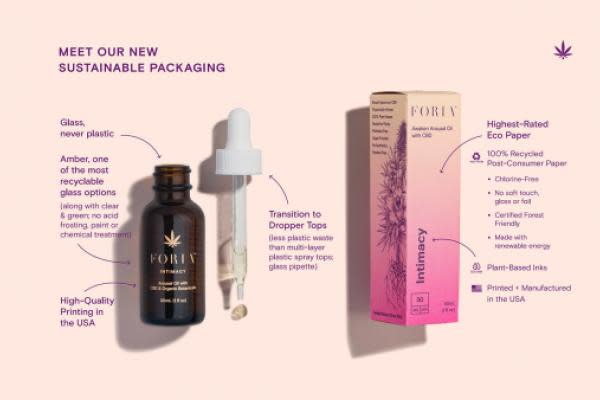
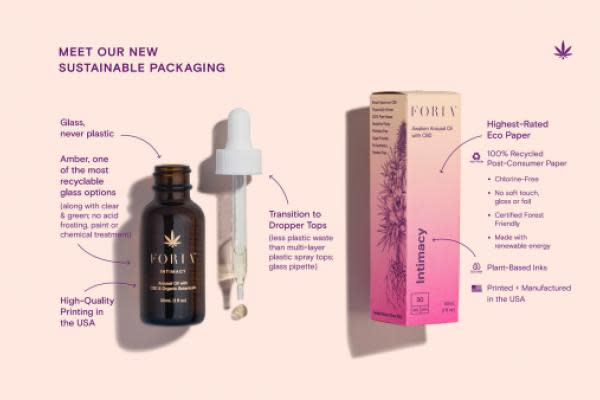
The CBD industry has a serious plastic problem. From tincture bottles to dropper caps to shipping materials, plastic is ubiquitous. This isn’t just an aesthetic issue; it’s an environmental one. Most CBD packaging isn’t easily recyclable, due to complex material combinations and labeling requirements.
Recycling is hampered by the fact that many CBD products are packaged in dark glass bottles with plastic components, and the labels themselves often interfere with the recycling process. Furthermore, the regulations surrounding CBD labeling can make it difficult to sort and process packaging materials.
Fortunately, some brands are leading the way in sustainable packaging. They’re using glass bottles, compostable materials, and recycled plastics. Refill programs, where customers can return empty containers for reuse, are also gaining traction. Bulk purchasing options, like larger sizes or concentrate forms, can reduce the amount of packaging needed.
The move towards sustainable packaging isn't just about materials; it’s about rethinking the entire packaging process. Brands are exploring innovative solutions like mushroom packaging and seaweed-based alternatives. It’s a slow process, but one that’s essential for reducing the industry’s environmental impact.
- Glass Bottles: A recyclable and reusable option.
- Compostable Materials: Biodegradable alternatives to plastic.
- Recycled Plastics: Reduces reliance on virgin plastic.
- Refill Programs: Encourage reuse of containers.
- Bulk Purchasing: Minimizes packaging waste.
Featured Products
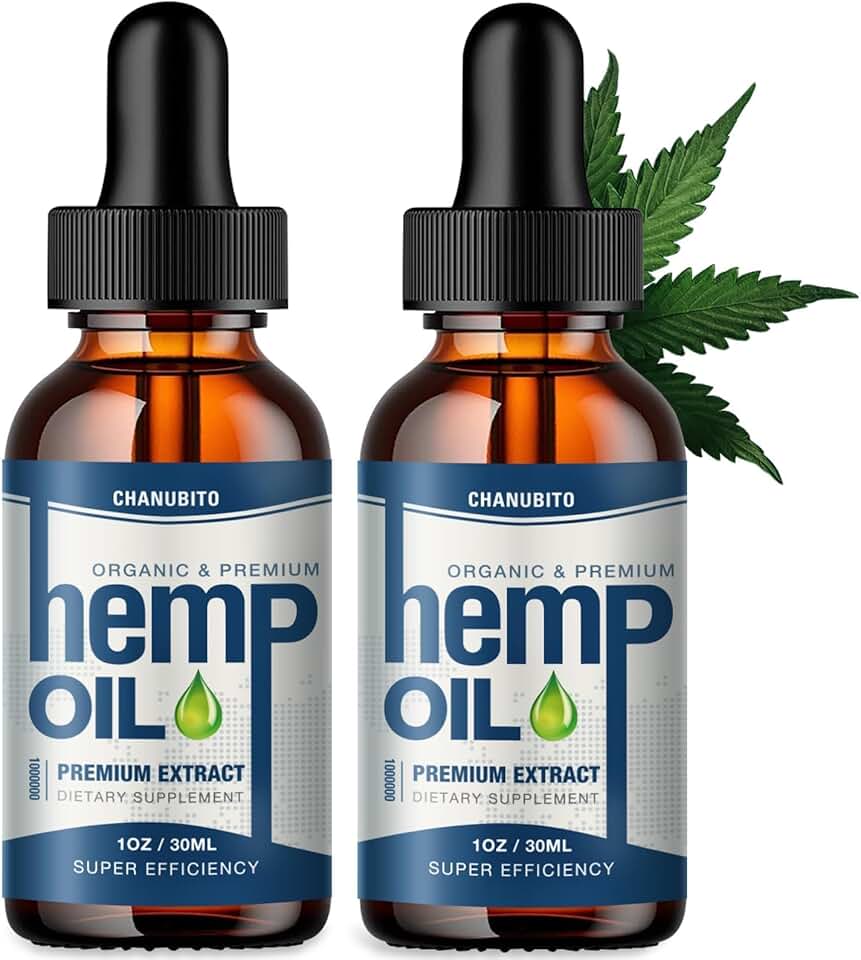
1,000,000 Maximum Strength Hemp Oil · Organic, Vegan, Non-GMO · Supports mood, pain relief, sleep, and skin health
This product is recommended for its eco-conscious packaging, aligning with the article's focus on sustainable CBD brands and the green revolution in cannabis.

Premium Hemp Gummies with Omega 3, 6, 9 · High Potency for Pain, Sleep, and Anxiety Relief · Vegan and Gluten-Free
This product is recommended for its eco-conscious packaging, aligning with the article's focus on sustainable CBD brands and the green revolution in cannabis.
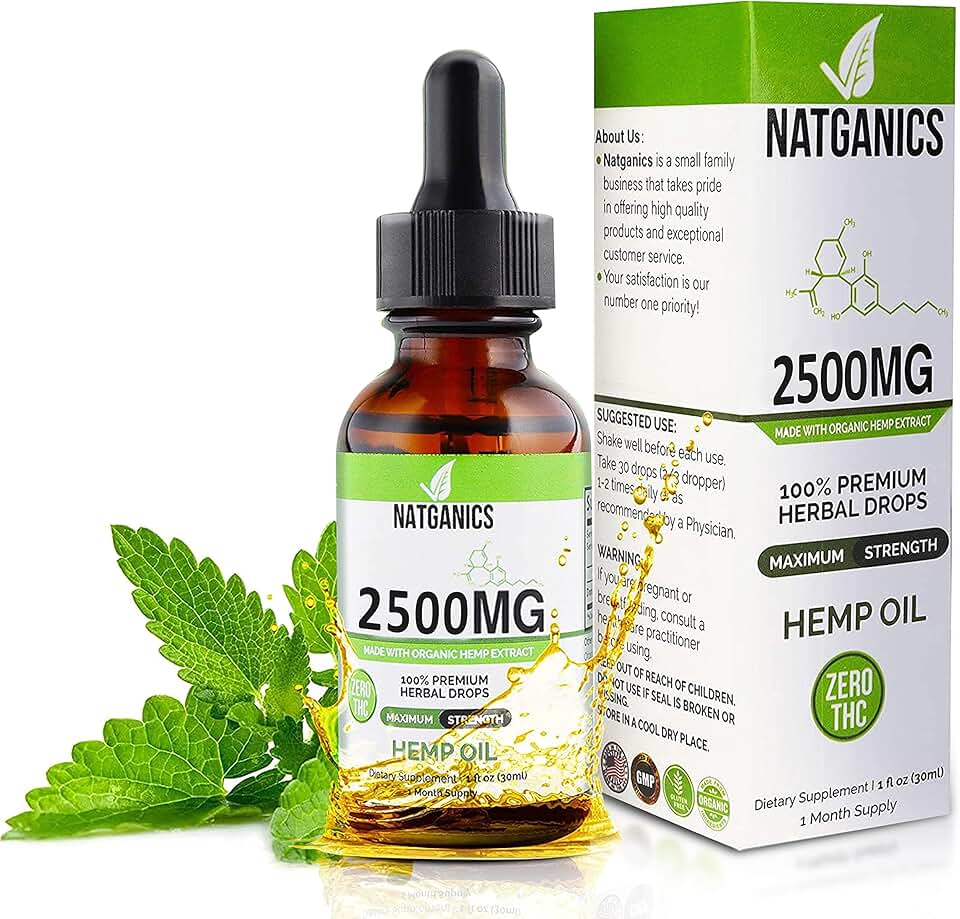
Organic Hemp Oil 2500mg · Ultra-Pure CO2 Extracted · Contains Omega Fatty Acids 3, 6, 9
This product is recommended for its eco-conscious packaging, aligning with the article's focus on sustainable CBD brands and the green revolution in cannabis.
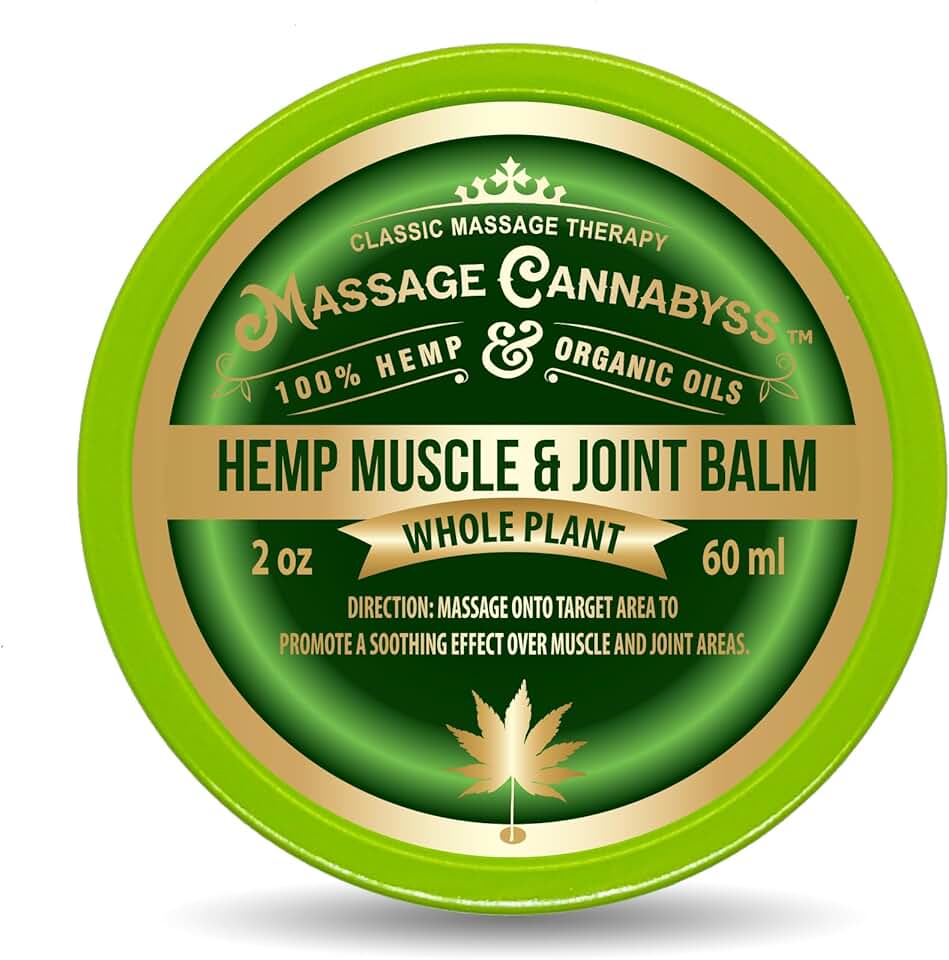
Hemp Muscle & Joint Balm · Formulated for targeted relief
This product is recommended for its eco-conscious packaging, aligning with the article's focus on sustainable CBD brands and the green revolution in cannabis.

100% Organic All Natural Oil Hemp Capsules · Supports stress, nervousness, and body aches · Buy One Get One Free Offer
This product is recommended for its eco-conscious packaging, aligning with the article's focus on sustainable CBD brands and the green revolution in cannabis.
As an Amazon Associate I earn from qualifying purchases. Prices may vary.
2026's Leading Eco-Friendly CBD Brands
Identifying truly sustainable CBD brands requires careful scrutiny. Based on information from MindCBD.com and CBD-Certified.com, here are a few companies demonstrating a strong commitment to environmental responsibility. It's important to note that 'sustainability' is a spectrum, and no brand is perfect.
Mind CBD stands out for its commitment to EU legislation and compliant premium CBD products. They focus on quality flowers and oils, with a clear emphasis on sourcing and production standards. Their 'Pro Space' options suggest a commitment to larger-scale, sustainable supply chains.
Harmony Hemp actively promotes regenerative agriculture practices, working directly with farmers to improve soil health and reduce pesticide use. They also use sustainable packaging materials and offer carbon-neutral shipping. They've invested heavily in transparent supply chains.
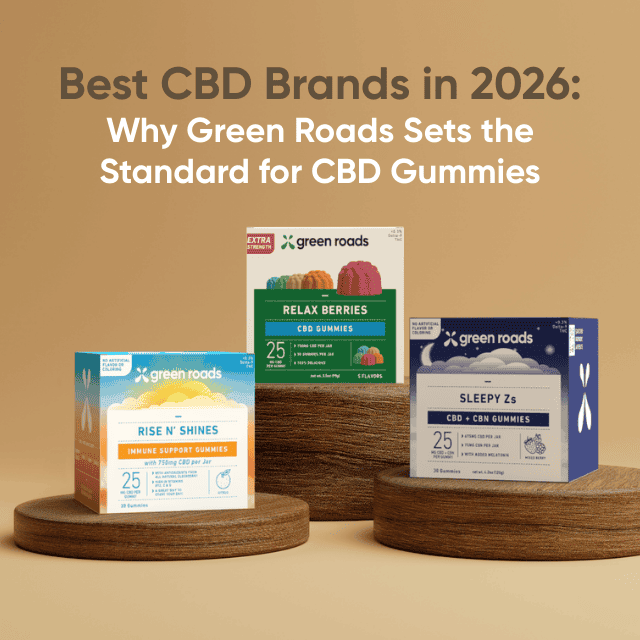
Green Roads is increasingly focused on sustainable sourcing and packaging. They’ve made commitments to reduce their carbon footprint and use recycled materials whenever possible. Their website details their sustainability initiatives.
Charlotte’s Web has a long-standing reputation for quality and is expanding its sustainability efforts. They’re working to reduce water consumption in their farming operations and use more sustainable packaging. They also participate in carbon offsetting programs.
Lazarus Naturals prioritizes affordability and accessibility, but also demonstrates a commitment to sustainability. They use sustainable packaging materials and source their hemp from farms that prioritize environmental responsibility. They are very transparent about their processes.
Joy Organics focuses on organic farming practices and sustainable extraction methods. They use glass packaging and offer refill options. They have a clear commitment to reducing their environmental impact throughout the supply chain. These brands demonstrate that sustainability and quality can go hand in hand.
Certifications & Transparency: Knowing What You Buy
Navigating the world of sustainable CBD requires a healthy dose of skepticism. Claims of "eco-friendliness" can be misleading, which is why third-party certifications are so important. USDA Organic certification verifies that a product is made with organically grown hemp, free from synthetic pesticides and fertilizers.
Regenerative Organic Certified is a more rigorous standard that goes beyond organic farming to encompass soil health, animal welfare, and social fairness. While still relatively new, it’s quickly becoming a gold standard for sustainable agriculture. Look for certifications from organizations like the US Hemp Building Foundation as well.
Consumers can verify the authenticity of certifications by looking for the certification logo on the product packaging and checking the certifying organization’s website. Transparency is also crucial. Brands that openly share information about their sourcing, extraction methods, and packaging practices are more likely to be genuinely committed to sustainability.
Don’t hesitate to ask questions. Contact the brand directly and inquire about their sustainability practices. A willingness to answer questions and provide detailed information is a good sign.
The Future of Sustainable CBD: Trends to Watch
The sustainable CBD movement is still in its early stages, but several exciting trends are emerging. Carbon-neutral farming, where farms offset their carbon emissions through practices like reforestation, is gaining traction. Blockchain technology is being explored as a way to enhance supply chain transparency, allowing consumers to track the origin and production of their CBD products.
The development of biodegradable CBD products, using plant-based materials for packaging and encapsulation, is also a promising area of innovation. Dr. Phil’s research indicates a growing interest in mycelium-based packaging as a viable alternative to plastic. Government regulation will likely play a significant role in promoting sustainability, as policymakers introduce standards for hemp farming and CBD production.
Ultimately, the future of sustainable CBD depends on collaboration between farmers, manufacturers, retailers, and consumers. By demanding eco-friendly products and supporting brands that prioritize environmental responsibility, we can collectively drive the industry towards a greener future. The momentum is building, and 2026 is shaping up to be a year of significant progress.
No comments yet. Be the first to share your thoughts!