

The environmental cost of hemp
Agriculture, in general, carries a significant environmental weight. Traditional farming practices often contribute to deforestation, water pollution, and greenhouse gas emissions. The rise of the CBD industry, initially reliant on rapidly expanding hemp cultivation, brought these concerns into sharp focus. Early on, the demand for CBD outstripped responsible farming methods, leading to practices that weren’t always kind to the earth.
Hemp isn't a magic crop. If you grow it too aggressively, it drains soil nutrients and sucks up water, especially in dry regions. During the early CBD boom, many farms chased high yields with heavy pesticides and fertilizers, which caused significant runoff into local streams. We're still dealing with the soil degradation from that era.
The initial rush to market meant that many CBD companies didn't prioritize transparency regarding their farming practices. Consumers often lacked information about where their CBD came from, how it was grown, and what impact it had on the environment. This lack of visibility fueled demand for greater accountability and pushed the industry towards a reckoning with its environmental footprint. It’s a situation we’re still actively working to correct.
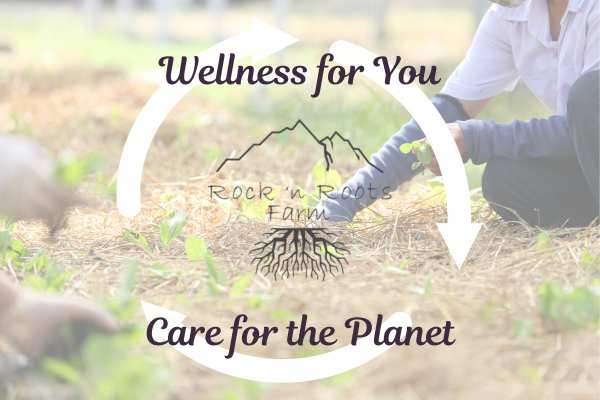
How regenerative farming works
Fortunately, a growing number of hemp farmers are embracing regenerative agriculture – a holistic approach to farming that focuses on soil health, biodiversity, and carbon sequestration. This isn’t just about minimizing harm; it’s about actively improving the environment. Techniques like cover cropping, where plants are grown specifically to protect and enrich the soil, are becoming increasingly common.
No-till farming, another key component, avoids disrupting the soil structure through plowing, preserving beneficial microorganisms and reducing erosion. Composting introduces organic matter back into the soil, enhancing its fertility and water retention. Crop rotation, alternating different crops in a sequence, helps break pest cycles and improve soil health. Hemp, interestingly, can be a beneficial rotation crop as it requires fewer pesticides than many alternatives.
Regenerative agriculture isn’t just good for the environment; it can also be good for business. Healthier soil leads to healthier plants, potentially increasing yields and reducing the need for external inputs like fertilizers. I spoke with Sarah Miller, a hemp farmer in Oregon, who told me, 'We've seen a dramatic improvement in soil health since switching to regenerative practices. Our plants are more resilient, and we're using less water.'
Hemp’s potential to actively improve soil is particularly noteworthy. Its deep root system helps break up compacted soil and increase organic matter. It also has phytoremediation properties, meaning it can absorb toxins from the soil, effectively cleaning it up. This makes hemp a promising tool for restoring degraded land.
What eco-labels actually mean
Navigating the world of sustainable CBD can be tricky, largely because of the proliferation of eco-labels. While certifications are intended to provide assurance, not all are created equal. USDA Organic is a well-known standard, but its applicability to CBD is limited. The USDA prohibits hemp grown with prohibited substances, but the rules are still evolving and don’t comprehensively address all sustainability concerns.
Regenerative Organic Certified (ROC) is a more rigorous standard that goes beyond organic practices to focus specifically on soil health and social fairness. It’s a relatively new certification, but it's gaining traction among forward-thinking brands. There are other emerging standards, too, often focused on specific aspects of sustainability like water usage or carbon footprint, but these are less widely recognized.
Watch out for greenwashing. Many brands use earthy colors and vague words to hide a lack of actual standards. I always look for third-party verification and public lab reports before buying. If a brand won't tell you exactly which farm they use, they're probably hiding something.
CBD Certification Comparison: A Qualitative Assessment
| Certification | Scope | Verification Process | Cost to Farmers | Consumer Trust |
|---|---|---|---|---|
| USDA Organic | Focuses primarily on soil health and prohibits synthetic pesticides and fertilizers. Limited consideration for social equity or animal welfare. | Annual inspection by a USDA-accredited certifying agent. Requires detailed record-keeping and documentation. | Moderate; involves application fees, inspection costs, and adherence to specific farming practices. | Generally high; widely recognized and understood by consumers. |
| Regenerative Organic Certified (ROC) | Holistic; emphasizes soil health, animal welfare, and social fairness. Requires a commitment to building soil organic matter and improving farmer livelihoods. | Rigorous, multi-year certification process involving annual audits and on-site verification of practices. | High; requires significant investment in regenerative practices and documentation. | Growing; increasingly recognized by consumers seeking environmentally and socially responsible products. |
| Certified Naturally Grown (CNG) | Similar to USDA Organic, but tailored for small-scale farms. Focuses on ecological sustainability and prohibits synthetic inputs. | Peer-review system supplemented by annual inspections. Relies on a network of farmers and verifiers. | Lower than USDA Organic; designed to be accessible to smaller farms. | Moderate; gaining traction among consumers seeking locally sourced and sustainably grown products. |
| Good Agricultural and Collection Practices (GACP) | Focuses on quality control and traceability throughout the production process, from cultivation to finished product. Addresses aspects of soil, water, and pest management. | Audits by accredited certification bodies. Emphasizes documentation and adherence to standard operating procedures. | Moderate; costs associated with implementation of quality control systems and audits. | Moderate; commonly used in the pharmaceutical and food industries, lending some credibility. |
| Hemp Authority Certification | Focuses on quality and safety standards within the hemp industry, including testing for contaminants and accurate labeling. Does not specifically address regenerative agriculture practices. | Third-party audits and testing of products. Requires adherence to specific quality standards. | Moderate; involves testing costs and audit fees. | Moderate; provides assurance of product quality and safety, but not necessarily sustainability. |
| Demeter Biodynamic Certification | A holistic farming system that views the farm as a self-sustaining ecosystem. Emphasizes soil health, biodiversity, and the use of natural preparations. | Rigorous inspection and certification process that assesses the entire farm system. | High; requires significant knowledge and implementation of biodynamic practices. | Moderate; recognized by consumers interested in holistic and sustainable agriculture. |
Illustrative comparison based on the article research brief. Verify current pricing, limits, and product details in the official docs before relying on it.
Brands Leading the Sustainable Shift
Several brands are actively demonstrating a commitment to sustainable CBD farming. Sunmed CBD, for example, emphasizes quality and compliance with EU legislation, suggesting a focus on stringent standards throughout their production process. They also offer a fairly transparent look at their product testing, which is a good sign.
Sustainable CBD, based in Alabama, is explicitly focused on regenerative agriculture. They highlight their 100% natural ingredients, THC-free products, and commitment to lab testing. Their small-batch approach suggests a greater level of control and attention to detail. They’re also one of the first hemp farms in Alabama, which is something to note.
While not exclusively a CBD brand, HempFusion actively seeks out partners committed to sustainable farming practices. They focus on transparency and traceability, allowing consumers to track the origin of their products. They also emphasize responsible sourcing and ethical labor practices. Their commitment to sustainability extends to their packaging as well.
Charlotte’s Web, a well-known name in the CBD space, has made strides in sustainable farming through partnerships with farmers committed to regenerative agriculture. They’ve invested in research to identify best practices for sustainable hemp cultivation and are working to reduce their environmental impact across their supply chain.
Joy Organics prioritizes organic farming practices and emphasizes transparency in their sourcing. They work directly with farmers to ensure that their hemp is grown without harmful pesticides or chemicals. Their commitment to quality extends to their extraction and manufacturing processes.
Get Sunmed clearly states a commitment to quality, and offers free shipping on orders over $50. They require age verification, which speaks to their responsibility in product distribution. While not overtly marketing themselves as “sustainable”, they’re taking steps to ensure a compliant product.
Finally, Colorado Hemp Classics focuses on small-batch, hand-trimmed flower, sourced from local, family-owned farms. This direct relationship with farmers allows for greater control over quality and sustainability. They prioritize preserving the natural integrity of the plant.
Featured Products

Organic hemp balm · 10000 MG potency · 2 Fl Oz per container
NEVISS is highlighted for its commitment to organic hemp cultivation, contributing to sustainable farming practices in the CBD industry.
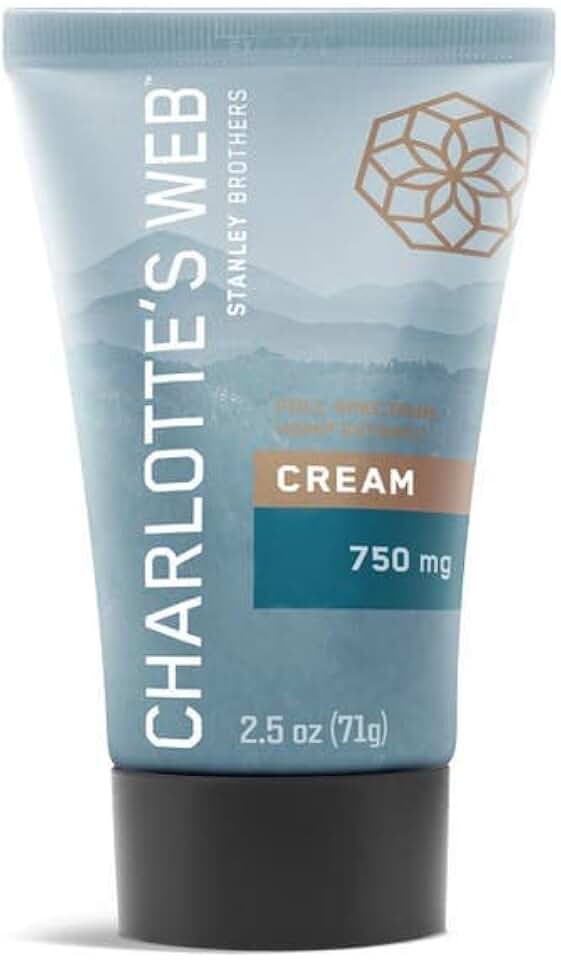
Unscented hemp cream · Natural, cruelty-free, and vegan formula · Moisturizer for dry skin
Charlotte's Web is recognized for its ethical sourcing and production, including cruelty-free and vegan formulations, aligning with eco-conscious consumer values.
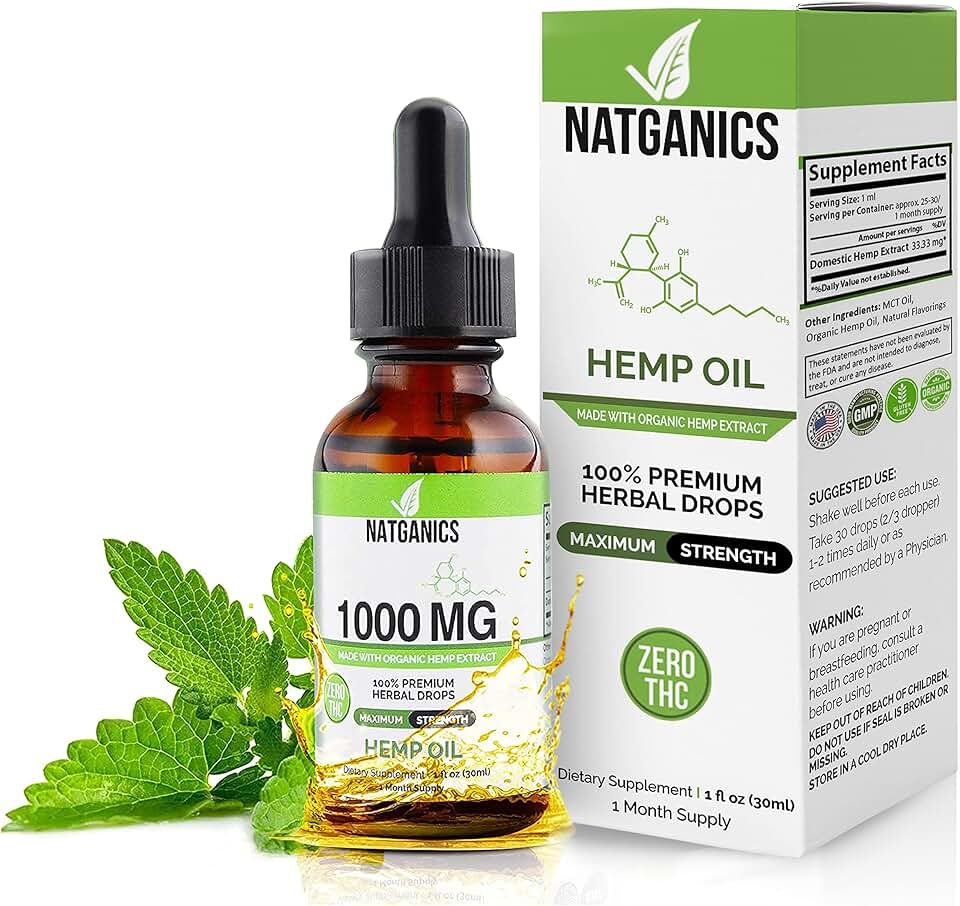
Organic hemp oil drops · 1000mg potency · CO2 extracted, non-GMO, and contains Omega fatty acids 3, 6, 9
This product is recommended for its use of organically grown hemp and CO2 extraction methods, emphasizing purity and sustainable processing.

High potency hemp oil · Full-spectrum extract · Supports immune system, focus, calm, relaxation, and mood
This brand is included for its dedication to organic, vegan, and non-GMO sourcing, supporting sustainable agriculture in its hemp oil production.
As an Amazon Associate I earn from qualifying purchases. Prices may vary.
Finding local shops
Supporting local CBD shops that prioritize sustainability is a great way to vote with your dollars. But how do you identify these businesses? The first step is to ask questions. Don’t be afraid to inquire about the origin of their products, their farming practices, and their commitment to environmental responsibility. A reputable shop should be able to provide detailed information.
Resources like MindCBD's directory can be invaluable in finding local shops. Look for shops that specifically mention sustainable practices or carry brands known for their commitment to sustainability. Visiting local farmers' markets can also be a good option, as you can often meet the farmers directly and learn about their growing methods.
When evaluating products, look for certifications like USDA Organic or Regenerative Organic Certified. Read labels carefully and be wary of vague claims. Consider the packaging – is it made from recycled materials or compostable packaging? Supporting businesses that prioritize sustainability sends a clear message to the industry that consumers care about the environment.
Packaging and shipping waste
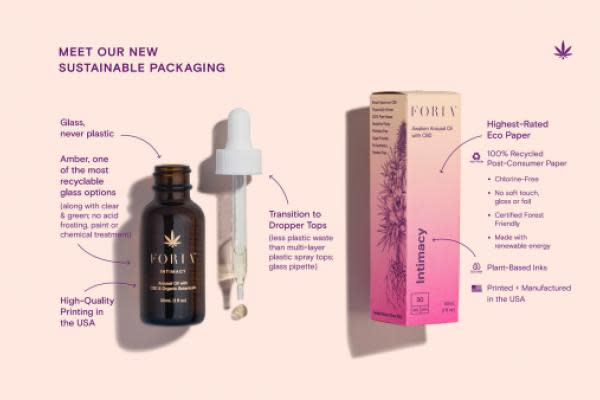
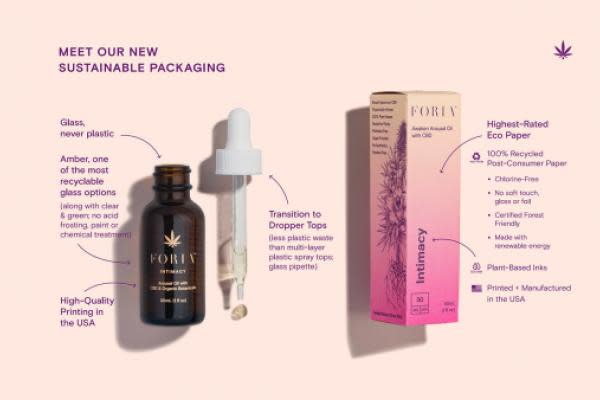
Sustainability extends beyond the farm and encompasses packaging and shipping. Traditional packaging often relies on plastic, which contributes to pollution and waste. Eco-friendly alternatives include recycled cardboard, compostable packaging, and plant-based plastics. Look for brands that are actively reducing their packaging waste and using sustainable materials.
The carbon footprint of shipping is another important consideration. Shipping products long distances generates greenhouse gas emissions. Choosing brands that prioritize local sourcing can help reduce transportation emissions. Some companies are also offering carbon-neutral shipping options, offsetting their emissions through investments in environmental projects.
Reducing packaging size and weight can also minimize the environmental impact of shipping. Some brands are experimenting with minimalist packaging designs and using lightweight materials. It's a complex issue, but many companies are recognizing the need to address the environmental impact of their shipping practices.

No comments yet. Be the first to share your thoughts!