
The mess of modern CBD shopping
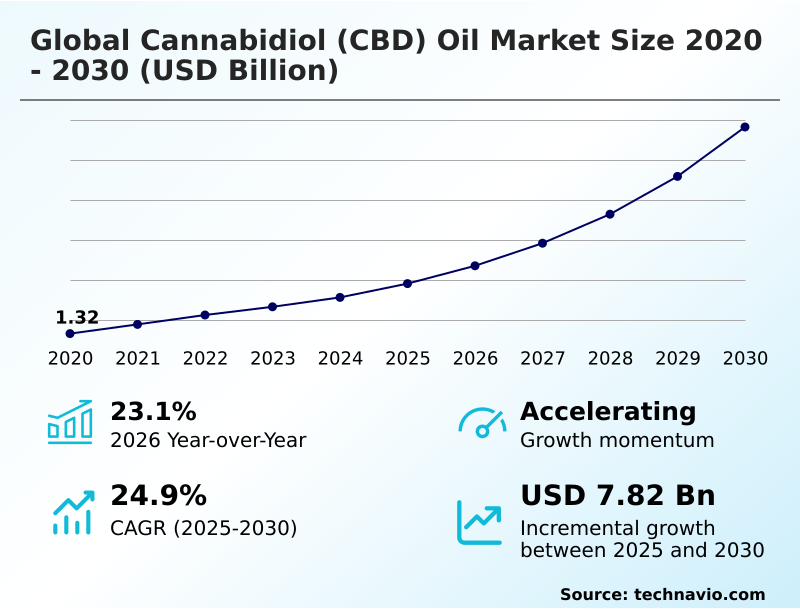
Finding reliable CBD products is a mess. Brands make big promises they can't always keep, and the market is flooded with options. Fortune Business Insights expects the industry to hit $45.2 billion by 2026, but that growth makes it harder for you to find a bottle that actually works.
For a long time, relying on word-of-mouth or general online searches was the only option. But those methods often fall short. That’s where artificial intelligence is starting to make a real difference. AI isn’t just a buzzword; it’s a powerful tool that can cut through the noise and connect consumers with the CBD products and stores that best fit their needs.
MindCBD is at the forefront of this change. We recognize the challenge consumers face and are dedicated to organizing the vast amount of CBD information available. Our goal is simple: to provide a comprehensive CBD guide that empowers informed decisions. We’re building a platform that leverages the power of AI to make CBD exploration easier, safer, and more effective.
Why Yelp and Google Maps fail CBD users
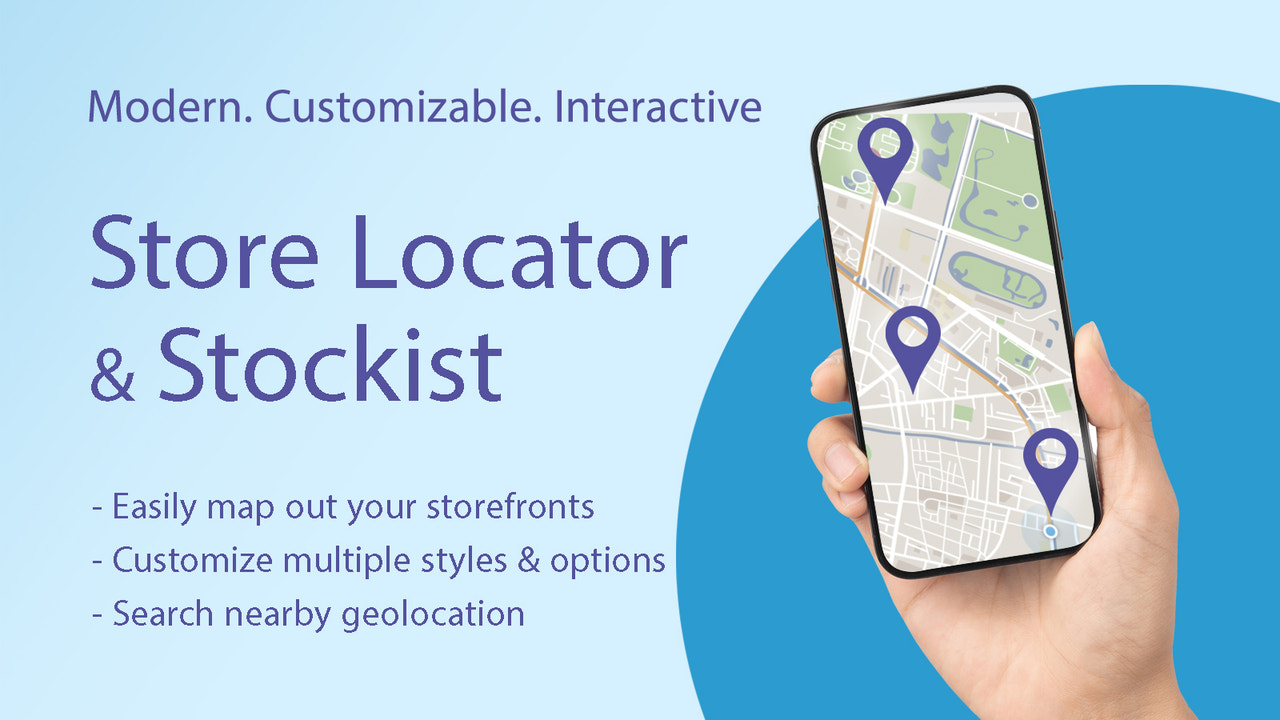
Existing CBD store locators, like Yelp or Google Maps, can seem like a good starting point, but they have significant limitations. Take Yelp’s listing for CBD stores in Minneapolis, MN, for example. While it shows a number of stores, the information is largely based on user reviews and basic business listings. This means the quality and accuracy of the information can vary wildly.
The biggest problem is trust. User reviews can be easily manipulated, and there’s no guarantee that the products sold at a listed store have been independently tested or meet quality standards. These platforms also lack the ability to filter by specific product types, CBD concentrations, or even whether a store carries full-spectrum, broad-spectrum, or isolate CBD. You're left scrolling through generic listings hoping to find what you need.
Ultimately, these tools don't address the core issue: the need for verified information and a reliable way to assess product quality. They offer a directory, but not a solution for the anxious CBD shopper. They don’t help you find what’s right for you.
AI-Powered Search: A New Approach
AI-driven CBD shopping moves beyond simple keyword matching. It’s about understanding intent. When someone searches for “CBD for anxiety,” they aren’t just looking for any product with the letters "C,’ ‘B,’ and ‘D" in the name. They need specific formulations, dosages, and potentially even delivery methods to address their specific concern.
This is where technologies like natural language processing (NLP) and machine learning (ML) come into play. NLP allows the AI to understand the nuances of human language, while ML enables it to learn from data and improve its recommendations over time. Imagine an AI that can analyze your search query, consider your past purchase history, and suggest products that are most likely to be effective for you.
AI handles the variables better than a standard search bar. It looks at your weight, what you want to feel, and how CBD might interact with other meds you take. This matters because a dose that works for me might do nothing for you.
- Intent recognition helps the system understand if you're looking for sleep aid or pain relief rather than just matching keywords.
- Personalized Recommendations: Tailoring results based on individual needs and preferences.
- Continuous Learning: Improving accuracy over time through machine learning.
MindCBD's Intelligent Directory: How It Works
MindCBD is building an intelligent directory designed to address the shortcomings of existing CBD store locators. Our technology focuses on verification and accuracy. We don’t just list any store that claims to sell CBD; we actively verify their legitimacy and ensure they meet our standards for quality and transparency.
A key feature is our rigorous store listing process. We gather data from multiple sources—direct contact with businesses, official certifications, and publicly available records—to confirm details like address, hours, and product offerings. We’re also developing capabilities to verify lab reports, giving consumers confidence in the products they’re purchasing. We categorize products by type (gummies, oils, topicals, etc.), potency, and intended use.
The benefit of this approach isn't just about the technology, it's about the trust it builds. We’re not simply indexing the internet; we’re curating a trusted resource. Our AI algorithms analyze product descriptions, identify key ingredients, and match them with user preferences. We utilize data on cannabinoid profiles, terpene content, and extraction methods to provide detailed product information.
We’re also focused on providing a seamless user experience. Our search filters allow consumers to narrow down their options based on specific criteria, such as CBD type, potency, and brand. This makes it easier to find the products that are right for them, without having to sift through endless lists of irrelevant results.
Decoding CBD Product Labels with AI
One of the biggest challenges for CBD consumers is understanding product labels. The amount of information—mg of CBD, type of extract (full-spectrum, broad-spectrum, isolate), carrier oil, and other ingredients—can be overwhelming. Many consumers simply don’t know what they’re looking at.
AI can help bridge this knowledge gap. Imagine an AI-powered tool that allows you to scan a product label with your smartphone camera. The AI would then analyze the label and provide a plain-language explanation of its contents and potency. It could highlight key ingredients, explain the difference between various CBD extracts, and even calculate the approximate dosage per serving.
Furthermore, AI can be used to flag potentially misleading or inaccurate labeling. For example, if a product claims to contain a certain amount of CBD but the lab report shows a different amount, the AI would alert the consumer. This level of transparency is essential for building trust in the CBD market.
What to expect by 2026
By 2026, AI will be even more deeply integrated into the CBD shopping experience. We can anticipate voice-activated CBD shopping, where consumers can simply ask their smart speakers to order their favorite products. Integration with wearable devices, like smartwatches, could allow for personalized dosage recommendations based on real-time biometric data.
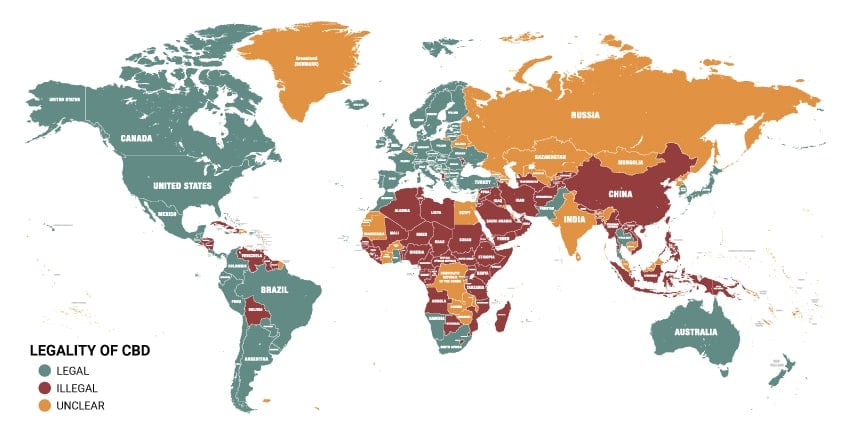
AI will also play a crucial role in navigating the evolving legal landscape of CBD. As regulations change, AI can help consumers understand which products are legal in their location and ensure they’re complying with all applicable laws. We’ll likely see AI-powered tools that automatically update product information based on regulatory changes.
Ultimately, the future of CBD shopping is about personalization, transparency, and convenience. AI is the key to unlocking these benefits, empowering consumers to make informed decisions and find the products that best meet their needs. MindCBD is committed to leading the way, building a platform that fosters trust and innovation in this rapidly evolving market.
No comments yet. Be the first to share your thoughts!