
Global CBD Market: 2024-2026 Forecast
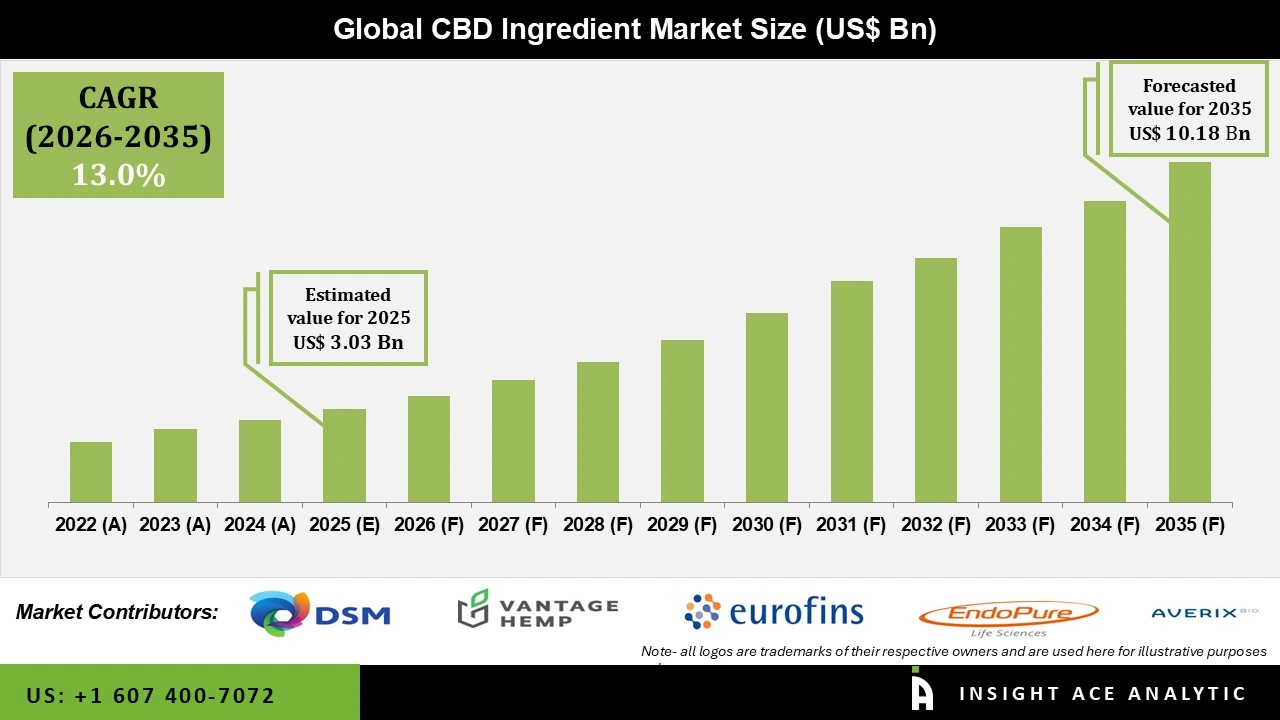
The global CBD market is experiencing substantial growth, driven by increasing acceptance, evolving legal frameworks, and a growing body of research into its potential therapeutic benefits. What was once a niche market is rapidly becoming mainstream, with consumers exploring CBD for a wide range of wellness applications. This expansion isn’t uniform, though; different regions are at different stages of adoption.
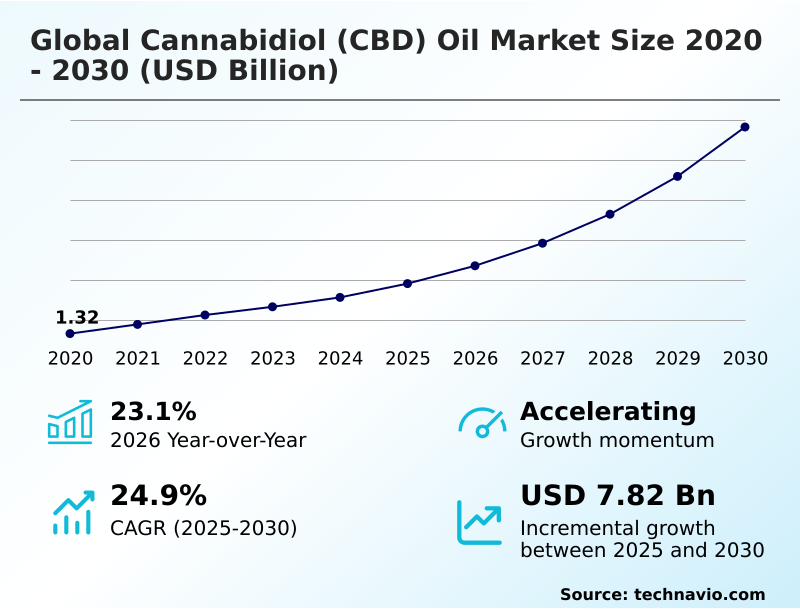
Currently, the global CBD market is estimated at around $29.9 billion in 2024. Projections from Grand View Research indicate a compound annual growth rate (CAGR) of roughly 21.1% between 2024 and 2026, potentially reaching over $60 billion by 2026. This growth is fueled by the expanding range of CBD products available, from oils and tinctures to edibles and topicals.
North America currently dominates the market, with the United States and Canada being major players. Europe is also a significant market, particularly the United Kingdom, Germany, and Italy. The Asia-Pacific region is expected to experience the fastest growth, driven by increasing disposable incomes and a growing awareness of health and wellness products. However, regulatory hurdles remain a significant factor in many countries.
Despite the positive outlook, the CBD market faces ongoing challenges related to regulation. Varying laws across different countries and even within states or provinces create complexities for businesses. The lack of standardized regulations also impacts product quality and consumer trust. Navigating these legal landscapes is a constant concern for both producers and consumers.
International Shipping Realities: What to Expect
Shipping CBD products internationally is far from straightforward. It’s a minefield of regulations, differing interpretations of the law, and potential for delays or seizures. Understanding these realities is crucial for both businesses and consumers looking to participate in the global CBD market.
The U.S. Customs and Border Protection (CBP) has specific guidelines regarding the import and export of CBD. As of late 2023, the CBP generally permits the entry of CBD products that contain less than 0.3% THC on a dry weight basis, consistent with the 2018 Farm Bill. However, this is not a universal standard, and regulations can vary significantly in other countries. Many countries have much lower THC limits or outright bans on CBD.
Shipping methods play a crucial role. Major carriers like DHL, FedEx, and USPS all have their own policies regarding CBD shipments. Some may refuse to ship CBD products altogether, while others may require specific documentation or have restrictions on destinations. It's essential to check the carrier’s current policies before attempting to ship. Their rules can change quickly, and they often err on the side of caution.
Customs seizures are a real risk. Even if a product complies with U.S. regulations, it may be seized by customs officials in the destination country if it violates local laws. Delays are also common, as customs officials may require additional inspection or documentation. Transparency and accurate labeling are paramount to minimizing these risks. I’ve spoken with several CBD business owners who have experienced significant losses due to seized shipments.
- THC Content: Most countries have strict limits on THC content, often much lower than the 0.3% allowed in the U.S.
- Documentation: Proper labeling and documentation, including certificates of analysis (COAs), are essential.
- Prohibited Countries: Some countries prohibit CBD imports entirely.
International CBD Shipping Restrictions - Key Countries (2024)
| Country | THC Limit | Required Documentation | Common Issues |
|---|---|---|---|
| USA | Less than 0.3% (by dry weight - as per the 2018 Farm Bill) | Certificate of Analysis (COA) demonstrating THC compliance, Import permits may be required depending on product type. | Confiscation of products not meeting THC limits, complex regulations regarding hemp-derived vs. marijuana-derived CBD, varying state laws. |
| Canada | Less than 0.3% THC | Certificate of Analysis (COA), potentially Health Canada import permits depending on product classification. | Delays due to Health Canada review, labelling requirements differing from origin country, restrictions on certain CBD product types (e.g., those making health claims). |
| UK | Less than 0.2% THC | Certificate of Analysis (COA), Novel Foods authorization may be required for CBD products sold post-February 2020. | Novel Foods regulations creating uncertainty, potential issues with customs if COA is not readily available, varying interpretations of regulations. |
| Germany | Less than 0.2% THC | Certificate of Analysis (COA), potentially Novel Food authorization depending on product category, proof of origin. | Strict enforcement of THC limits, complex Novel Food application process, requirements for German labeling. |
| Australia | Less than 0.3% THC (prescription required for higher levels) | Certificate of Analysis (COA), Therapeutic Goods Administration (TGA) approval may be required for medicinal CBD products, import licenses. | Strict regulations for medicinal CBD, difficulties obtaining import licenses, limited availability of approved products. |
| Japan | Generally prohibits CBD products containing any THC. | Certificate of Analysis (COA) demonstrating 0% THC, Import permits are generally required. | Very strict regulations, high risk of confiscation even with trace amounts of THC, complex import procedures. |
| Brazil | Varies; generally allows CBD products with less than 0.3% THC, but regulations are evolving. | Certificate of Analysis (COA), Import permits from ANVISA (Brazilian Health Regulatory Agency) are often required. | Changing regulations creating uncertainty, potential delays in obtaining import permits, requirements for Portuguese labeling. |
Illustrative comparison based on the article research brief. Verify current pricing, limits, and product details in the official docs before relying on it.
Top 15 International CBD Stores
Finding reliable CBD stores that ship internationally requires careful research. Many companies claim to offer worldwide shipping, but their actual reach and shipping practices can vary greatly. The list below represents stores with a generally good reputation for international delivery and product quality. Rankings are based on a combination of factors including shipping options, product selection, customer reviews, and transparency.
It’s important to remember that shipping times and costs can fluctuate significantly depending on your location and the shipping method chosen. Always check the store’s shipping policy before placing an order. I’ve focused on stores that provide clear information about their shipping practices and offer tracking numbers.
Also, prioritize stores that provide third-party lab testing results (COAs) for their products. These COAs verify the CBD content and ensure that the products are free from contaminants. This is a critical step in ensuring product safety and quality.
- CBDistillery (cbdistillery.com): Wide range of products, ships to many countries, generally reliable shipping.
- JustCBD (justcbd.store): Extensive selection of edibles, oils, and topicals, ships internationally.
- Diamond CBD (diamondcbd.com): Large product catalog, competitive pricing, ships to numerous countries.
- Royal CBD (royalcbd.com): High-quality, premium CBD products, ships to select international locations.
- Gold Bee (goldbee.com): Focuses on organic and natural CBD products, ships to many countries.
- PureKana (purekana.com): Offers a variety of CBD products, including oils, capsules, and topicals, ships internationally.
- Cheef Botanicals (cheefbotanicals.com): Specializes in vegan and organic CBD products, ships worldwide.
- Five CBD (fivecbd.com): Focuses on full-spectrum CBD products, ships to select international destinations.
- CBDfx (cbdfx.com): Offers a wide range of CBD products, including oils, edibles, and topicals, ships internationally.
- NuLeaf Naturals (nuleafnaturals.com): Focuses on full-spectrum CBD oil, ships to select international locations.
- Charlotte’s Web (charlottesweb.com): Well-known brand, ships to select international destinations.
- Lazarus Naturals (lazarusnaturals.com): Affordable, high-quality CBD products, ships internationally.
- Joy Organics (joyorganics.com): Broad-spectrum CBD products, ships to select international destinations.
- Green Roads (greenroads.com): Wide range of CBD products, ships internationally.
- Holistapet (holistapet.com): CBD products specifically for pets, ships to select international locations.
Featured Products
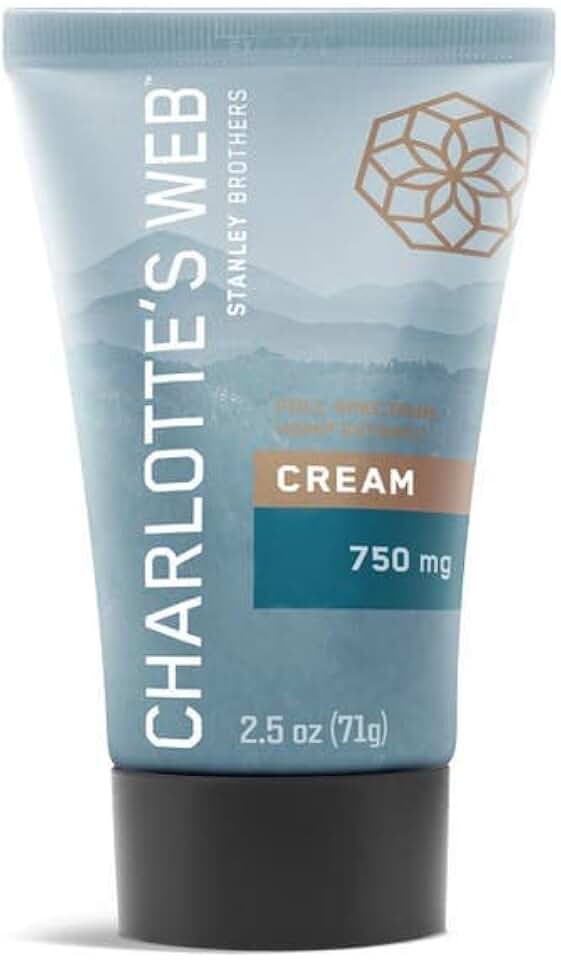
Unscented hemp cream for moisturizing dry skin · 2.5 fl oz size · Natural, cruelty-free, and vegan formula
Charlotte's Web Unscented Hemp Cream offers a natural, vegan, and cruelty-free moisturizing solution for dry skin, appealing to consumers seeking gentle yet effective topical CBD products.
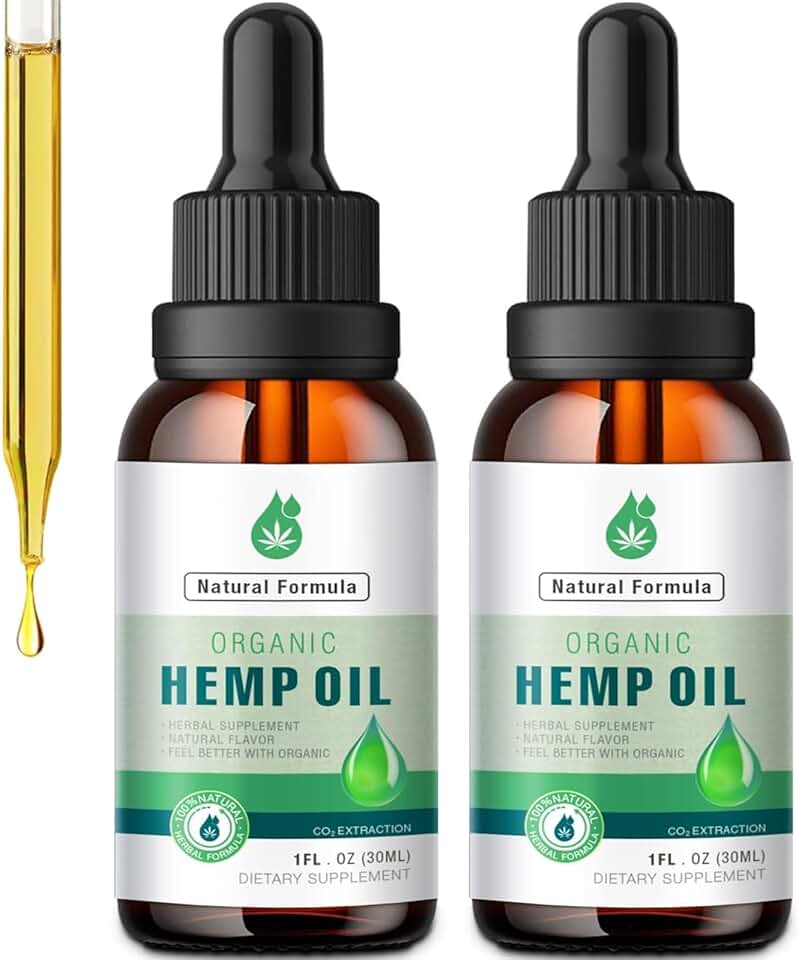
2-pack of premium organic hemp oil drops · Maximum strength 2,800,000 formulation · Supports pain relief, skin health, and anxiety management
This highly-rated, maximum strength hemp oil provides full or broad-spectrum benefits for pain, skin, and anxiety, offering a trusted option for consumers exploring global CBD options.
2-pack of premium organic hemp oil drops · Maximum strength 2,800,000 formulation · Supports pain relief, skin health, and anxiety management
This highly-rated, maximum strength hemp oil provides full or broad-spectrum benefits for pain, skin, and anxiety, offering a trusted option for consumers exploring global CBD options.
2-pack of premium organic hemp oil drops · Maximum strength 2,800,000 formulation · Supports pain relief, skin health, and anxiety management
This highly-rated, maximum strength hemp oil provides full or broad-spectrum benefits for pain, skin, and anxiety, offering a trusted option for consumers exploring global CBD options.
As an Amazon Associate I earn from qualifying purchases. Prices may vary.
Standout Stores: Deep Dives
From the preceding list, CBDistillery consistently receives positive feedback for its broad product range and relatively affordable prices. They offer a comprehensive selection of oils, tinctures, capsules, topicals, and even CBD pet products. Shipping is available to a wide range of countries, and they often run promotions that include free shipping. Customer reviews frequently praise their customer service and fast shipping times.
Royal CBD distinguishes itself through its commitment to quality. They source their hemp from organic farms in the United States and subject their products to rigorous third-party lab testing. While their prices are higher than some competitors, customers consistently report a noticeable difference in product potency and effectiveness. Their website is also very informative, providing detailed information about their sourcing and manufacturing processes.
Cheef Botanicals stands out for its focus on vegan and organic CBD products. This is a significant selling point for consumers who are looking for ethical and sustainable options. They offer a diverse range of products, including CBD gummies, oils, and topicals. Several customer reviews highlight the effectiveness of their gummies for managing anxiety and promoting relaxation. They’re transparent about their manufacturing processes and provide easily accessible COAs.
Navigating CBD Legality: A Global Snapshot
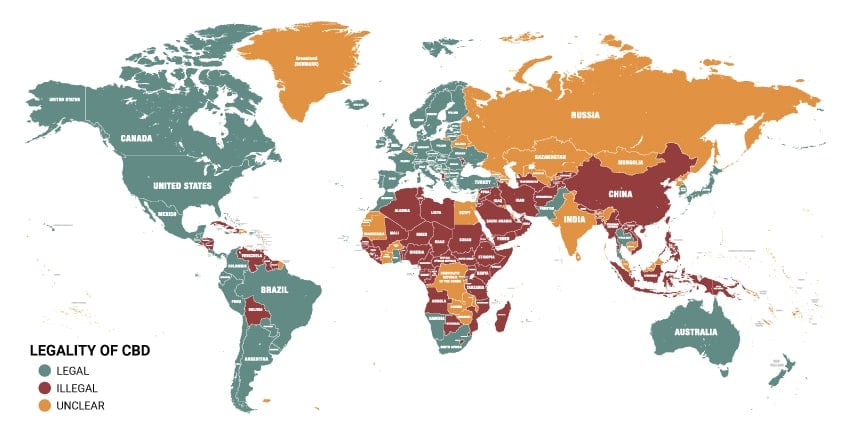
The legal status of CBD varies dramatically around the world. In the United States, CBD derived from hemp (containing less than 0.3% THC) is federally legal, but state laws can differ. Canada has also legalized CBD, with similar restrictions on THC content. However, many other countries have more restrictive regulations.
In the United Kingdom, CBD products are legal as long as they contain less than 0.2% THC. Germany allows CBD products with THC levels below 0.3%, but regulations are constantly evolving. Italy has a more complex system, with restrictions on the sale of CBD flowers and other products.
Many countries in Asia, such as Japan and South Korea, have strict regulations on CBD, often prohibiting its use altogether. Australia allows CBD products to be prescribed by a doctor for certain medical conditions. South America is a mixed bag, with some countries, like Uruguay, having more liberal regulations than others.
It’s crucial to research the specific laws in your country before purchasing or using CBD products. Resources like the World Health Organization (WHO) and government websites can provide valuable information. I recommend checking with local authorities or legal professionals for the most up-to-date information.
Payment Processing & CBD: A Persistent Challenge
CBD businesses often face significant challenges with payment processing. Many traditional payment processors, such as Visa and Mastercard, are hesitant to work with CBD companies due to regulatory uncertainty and perceived risk. This can make it difficult for businesses to accept credit card payments.
This hesitancy stems from the fact that CBD’s legal status is still evolving, and many financial institutions are concerned about potential legal repercussions. Some processors may simply prohibit CBD transactions altogether, while others may charge higher fees or impose stricter requirements.
As a result, many CBD businesses have turned to alternative payment options, such as cryptocurrency and specialized CBD payment gateways. Cryptocurrency offers a decentralized and anonymous way to process payments, but it can be volatile and complex. CBD payment gateways are designed specifically for the CBD industry and can help businesses navigate the challenges of payment processing.
The difficulties with payment processing can significantly impact international sales, as it can be challenging to find processors that support cross-border transactions. This is an ongoing issue for the CBD industry, and it’s likely to remain a challenge until regulations become more clear and standardized.
Future Trends: What to Watch in 2026
The global CBD market is poised for continued growth in the coming years, but several key trends will shape its future. Further legalization is expected in many countries, which will open up new markets and increase consumer access. The United States federal legalization would be a massive catalyst.
Technological advancements are also likely to play a role. Novel delivery methods, such as nanotechnology and liposomal encapsulation, are being developed to improve CBD absorption and bioavailability. These innovations could lead to more effective and targeted CBD products.
Increasing consumer demand for sustainable and organic CBD products is another trend to watch. Consumers are becoming more aware of the environmental and ethical implications of their purchasing decisions, and they are increasingly seeking out products that align with their values.
I anticipate that new markets will emerge in regions where CBD regulations are currently restrictive. As more research emerges supporting the potential benefits of CBD, and as public acceptance grows, governments may become more open to legalizing or regulating the market. It's a dynamic space, and staying informed is key.
No comments yet. Be the first to share your thoughts!