
finding a trusted cbd source on a budget
Picking a reliable CBD source doesn’t require spending a premium. The market is layered, meaning you can find quality products at various price points if you know where to look. According to GoodRx, the safest bets are pharmacies, state-regulated dispensaries, or manufacturers with transparent testing. These channels cut out the noise of unverified online marketplaces.
When budgeting, look for value rather than just the lowest cost. A cheaper bottle might contain less CBD per milliliter, making it more expensive in the long run. Check the milligram count against the price. Brands like Cornbread Hemp, which offers USDA-certified organic options, often balance quality and cost effectively, though they may sit slightly higher in the mid-range tier.
Avoid the temptation to buy from generic e-commerce sites without third-party lab results. A trusted source provides a Certificate of Analysis (COA) for every batch. This document proves the product contains what it claims and is free from harmful contaminants. Without this verification, even a low price tag doesn’t guarantee safety or efficacy.
Ultimately, a trusted CBD source balances transparency with affordability. Prioritize brands that publish their lab results openly and offer clear dosing information. This approach ensures you get consistent quality without overspending on marketing hype or unverified claims.
Shortlist real options
Trusted CBD Source works best as a clear sequence: define the constraint, compare the realistic options, test the tradeoff, and choose the path with the fewest hidden costs. That order keeps the advice usable instead of decorative. After each step, pause long enough to check whether the recommendation still fits the reader's actual situation. If it depends on perfect timing, unusual access, or a best-case budget, include a simpler fallback.
| Factor | What to check | Why it matters |
|---|---|---|
| Fit | Match the option to the primary use case. | A good deal still fails if it does not fit the job. |
| Condition | Verify age, wear, and service history. | Hidden condition issues erase upfront savings. |
| Cost | Compare purchase price with likely upkeep. | The cheapest option is not always the lowest-cost option. |
Inspect the expensive parts
CBD extraction and testing are costly. When a brand cuts corners, the first things to go are purity and accuracy. You can spot these failures by checking three specific areas: the Certificate of Analysis, the ingredient list, and the extraction method.
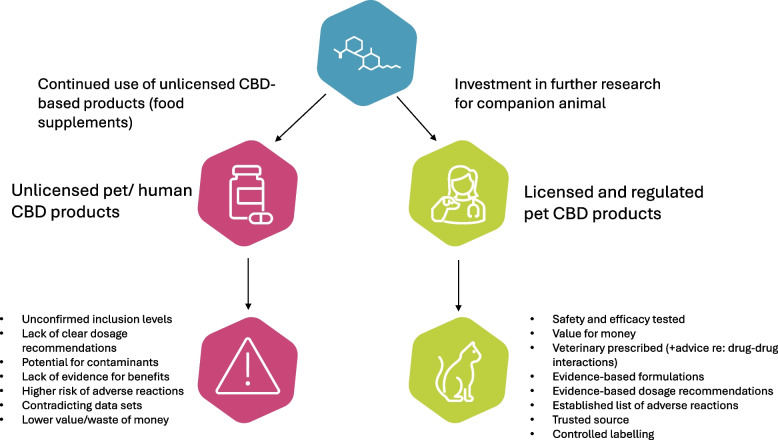
Look for a third-party lab report, not an in-house test. The COA must be recent (within 12 months) and match the exact batch number on your bottle. Check that it lists heavy metals, pesticides, and residual solvents. If the brand refuses to share a PDF or the data is blurry, walk away.
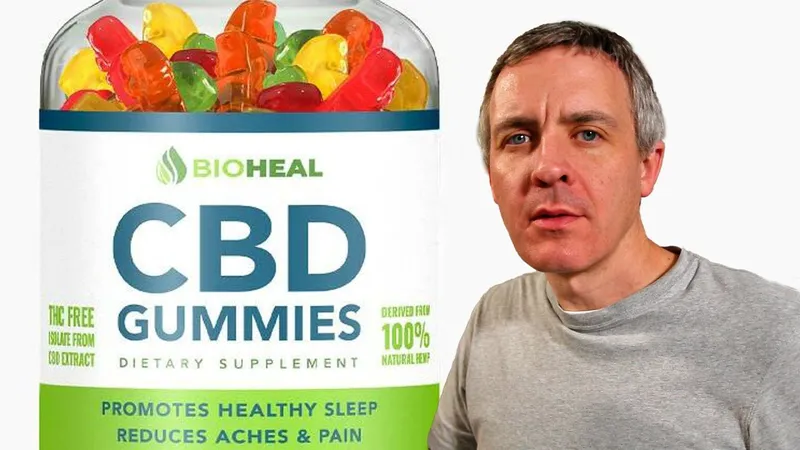
Full-spectrum and broad-spectrum oils should only contain hemp extract and a carrier oil like MCT or hemp seed. If you see propylene glycol, vitamin E acetate, or artificial flavors in a tincture, it’s a red flag. These additives can degrade when heated or cause irritation. Stick to brands that disclose every ingredient, down to the milligram.
CO2 extraction is the gold standard for safety. It leaves no toxic residue. If the label doesn’t specify the method, or if it mentions "solvent-based" without detailing the purification process, assume the product may contain trace chemicals. Ethanol extraction is acceptable if followed by thorough distillation, but CO2 is easier to verify.
These checks protect you from the most common quality failures. A trusted source will make this data easy to find, usually linked directly from the product page. GoodRx notes that purchasing from regulated dispensaries or trusted manufacturers significantly reduces the risk of contamination [GoodRx].
TLDR; Verify the COA, check for hidden additives, and confirm CO2 extraction. These three steps filter out the majority of low-quality CBD products.
Ownership Costs: When Cheap CBD Stops Being Cheap
The sticker price of a CBD product is rarely the final cost. Many buyers underestimate how quickly cheap oils or edibles run out, leading to a higher cost per milligram of active cannabinoid. A $20 bottle that lasts two weeks costs significantly more over six months than a $40 bottle that lasts three, even if the upfront price is double. Always calculate the cost per milligram of CBD to compare value accurately.
Maintenance surprises often come from product degradation or improper storage. Heat and light break down cannabinoids, turning potent oil into ineffective liquid. If you store products incorrectly, you may need to replace them twice as often. Additionally, some low-quality products contain fillers that clog vape cartridges or leave residue, requiring more frequent cleaning or device replacement. These hidden costs add up quickly.
A cheap buy stops being cheap when it fails to deliver consistent effects, forcing you to buy more to achieve the desired result. Third-party lab testing ensures potency matches the label, preventing waste. Investing in a trusted source with transparent COAs (Certificates of Analysis) protects your long-term budget. As noted by GoodRx, purchasing from regulated dispensaries or trusted manufacturers reduces the risk of inconsistent quality that drives up effective costs.
Trusted cbd source: what to check next
Finding a reliable CBD source often comes down to verifying the supply chain. The FDA does not regulate CBD products, so the burden of proof sits with the manufacturer. Reputable brands, such as Cornbread Hemp or Joy Organics, typically use USDA-certified organic hemp and provide third-party lab results for every batch. This transparency is the primary indicator of a trustworthy source.
Is it safe to buy CBD on Amazon or eBay?
Most major marketplaces prohibit the sale of CBD oil because they classify it as a controlled substance under federal guidelines. Products listed there are often just hemp seed oil, which contains no cannabinoids. For a true CBD experience, purchase from a state-regulated dispensary or a direct-to-consumer brand that offers verifiable lab reports.
What does "third-party tested" actually mean?
It means an independent laboratory, not the brand itself, analyzed the product. Look for a Certificate of Analysis (COA) that confirms the cannabinoid profile matches the label and that heavy metals or pesticides are absent. Brands like Lazarus Naturals highlight this testing to ensure purity and potency.
How do I know if a CBD brand is legitimate?
Legitimacy is shown through consistent testing and clear ingredient lists. Avoid brands that make medical claims, as this is a red flag for regulatory non-compliance. Check if the company is transparent about its sourcing, such as using American-grown hemp, and whether it offers easy access to recent lab results online.
No comments yet. Be the first to share your thoughts!