

Cbd products budget
Best CBD Products of works best when the purchase path is explicit. Verify the source, compare the offer against real alternatives, check the total cost, and confirm what happens after payment before you decide. After each comparison, write down the one risk that would change your mind. If the seller, condition, support, warranty, shipping, or upkeep still feels uncertain, resolve that question before moving to checkout.
The simplest way to use this section is to verify the seller, compare the total cost, and resolve the biggest risk before you commit.
Shortlist real options
Best CBD Products of works best as a clear sequence: define the constraint, compare the realistic options, test the tradeoff, and choose the path with the fewest hidden costs. That order keeps the advice usable instead of decorative. After each step, pause long enough to check whether the recommendation still fits the reader's actual situation. If it depends on perfect timing, unusual access, or a best-case budget, include a simpler fallback.
| Factor | What to check | Why it matters |
|---|---|---|
| Fit | Match the option to the primary use case. | A good deal still fails if it does not fit the job. |
| Condition | Verify age, wear, and service history. | Hidden condition issues erase upfront savings. |
| Cost | Compare purchase price with likely upkeep. | The cheapest option is not always the lowest-cost option. |
Inspect the expensive parts
Buying CBD online is safer than walking into a random store, but it requires a different kind of vigilance. You can’t shake the hand of the person who mixed the batch, so you have to inspect the paperwork. The most expensive failure is buying a bottle that contains nothing but oil and a label. That is a total loss of money and time.
Focus your energy on three specific failure points: third-party testing, ingredient transparency, and extraction methods. These are the areas where cheap brands cut corners to lower their costs. If a shop or brand cannot show you clear data here, walk away. The rest of the marketing buzzwords are just noise.
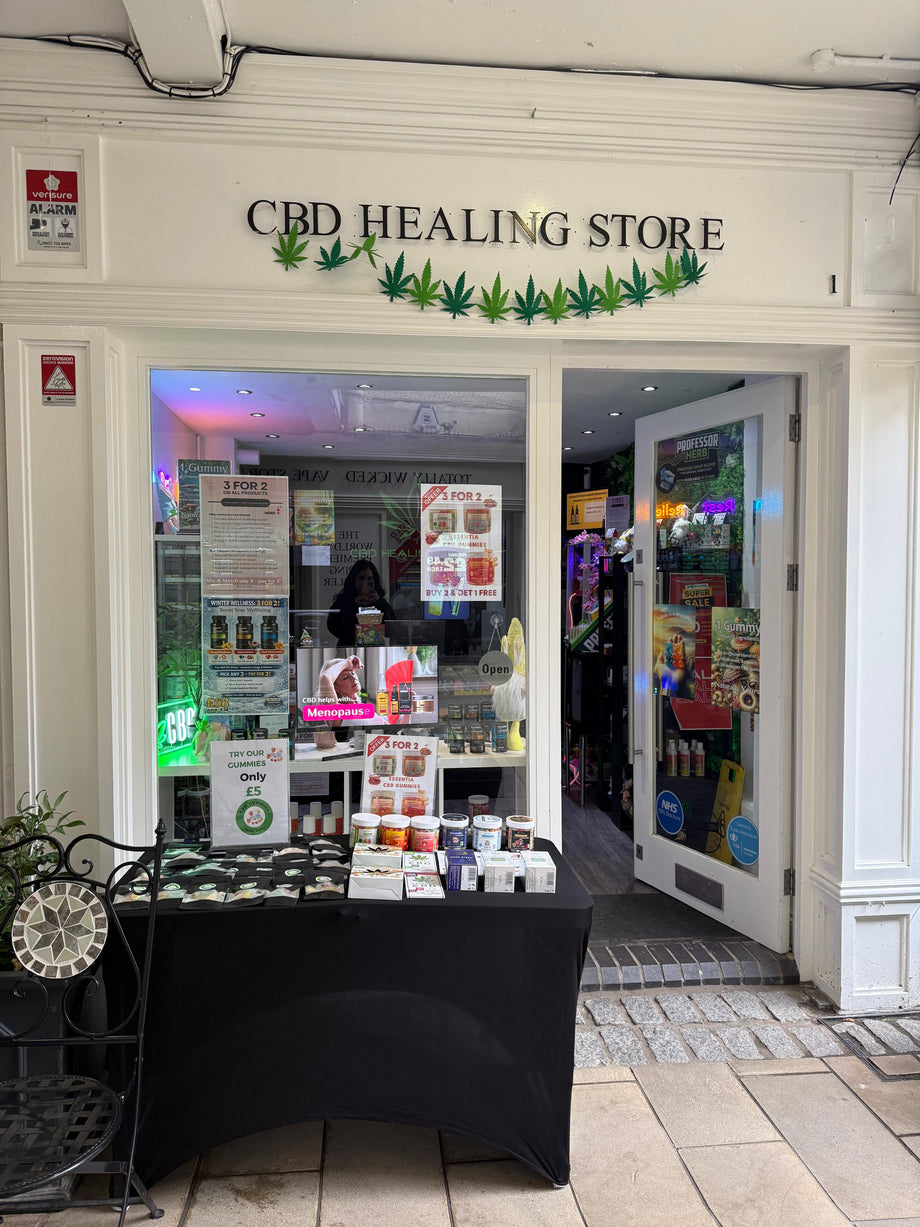
Every legitimate product has a Certificate of Analysis (COA) from an independent lab. This document proves what is actually inside the bottle. Look for a QR code on the label that links directly to the report for that specific batch number. If the COA is missing, generic, or does not match the batch on your bottle, the product is unverified. Check for potency accuracy and contaminants like heavy metals or pesticides.
Cheap CBD oils often use MCT oil or synthetic flavors to bulk up the volume. While MCT is safe, it can interfere with absorption for some users. More importantly, avoid products with artificial colors or unknown "proprietary blends." A clean ingredient list should only list the carrier oil, the CBD extract, and natural flavorings. If you cannot pronounce an ingredient, it is likely a filler designed to save the manufacturer money.
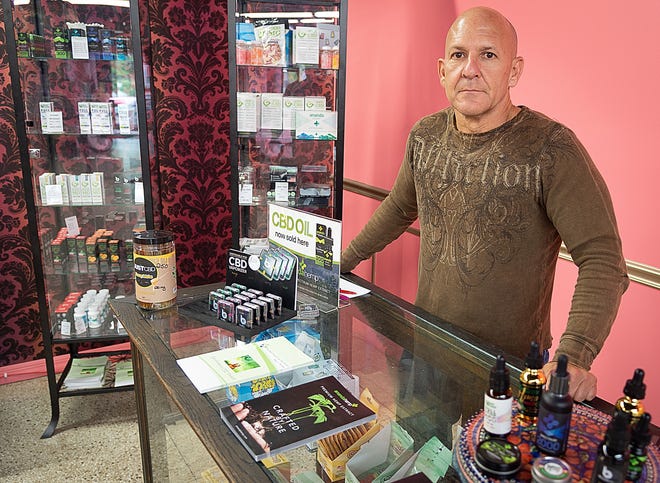
The method used to pull CBD from the hemp plant matters for purity. CO2 extraction is the gold standard because it leaves no solvent residue. Ethanol extraction is also acceptable if done correctly. Avoid products that do not disclose their extraction method, as this often signals the use of cheaper, harsher solvents like butane or propane. These residues can remain in the final product if not properly purged.
When you inspect these three areas, you filter out the majority of low-quality options. It takes a few extra minutes to read the labels and verify the codes, but it protects you from wasting money on ineffective products. Stick to brands that are transparent about their process, like Cornbread Hemp or Joy Organics, which consistently provide clear documentation.
Plan for ownership costs
Buying a bottle of CBD oil is the easy part; keeping it effective is where the hidden costs show up. Unlike a one-time purchase like a pair of shoes, CBD is a consumable that requires consistent dosing to maintain its benefits. If you underestimate how quickly you’ll go through a bottle, your monthly spending can spiral without you noticing.
Start by calculating your daily cost, not just the shelf price. Divide the bottle’s price by the total number of servings it contains. For example, a $60 bottle with 60 servings costs $1 per day. If you need 300mg daily instead of 150mg, that cost doubles. This daily rate makes it easier to compare a premium brand like Joy Organics against a budget option like Cornbread Hemp on equal footing.
Storage is another silent expense. CBD degrades when exposed to heat, light, and air. Storing your tincture on a sunny windowsill or in a hot car will break down the cannabinoids faster, meaning you’ll need to buy more often to get the same effect. Keeping bottles in a cool, dark place extends their potency and stretches your budget further.
Finally, watch for "convenience taxes." Gummies and drinks often cost significantly more per milligram of CBD than tinctures because you’re paying for flavoring, sugar, and packaging. If you are using CBD for daily management rather than occasional relief, switching from gummies to oil can cut your monthly costs by half or more.
Cbd products: what to check next
Navigating the CBD market requires looking beyond marketing claims to verify quality and efficacy. Because the industry lacks strict FDA regulation for most products, understanding what you are buying is essential for safety and results.
No comments yet. Be the first to share your thoughts!