
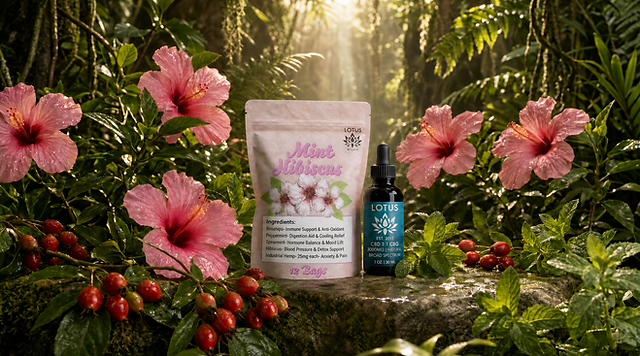

Finding a trusted cbd source on a budget
Shopping for CBD on a budget requires balancing price with verification. The most reliable products come from state-regulated dispensaries or established manufacturers that publish third-party lab results. Online marketplaces often mix vetted brands with lower-quality options, making it harder to verify potency and purity without extra effort. GoodRx advises checking for pharmacy-grade sourcing or reputable direct-to-consumer brands that provide transparent Certificate of Analysis (COA) documents for every batch.
Price tiers in the CBD market generally reflect extraction methods and ingredient quality rather than brand hype. Budget-friendly options often use broad-spectrum isolate or simple tinctures, which strip away terpenes to lower costs while maintaining consistent cannabinoid levels. Mid-range products typically include full-spectrum extracts with natural terpenes for the entourage effect, while premium tiers add organic certification or specialized delivery systems. The tradeoff is often speed of absorption versus long-term value; cheaper oils may require higher daily doses to achieve similar effects.
When comparing options, look for brands like R&R CBD, which users frequently cite for balancing quality with reasonable pricing. Colorado-based vendors often set the standard for quality control, but many national brands now match these benchmarks. The key is to avoid products with vague labeling or missing lab data, regardless of the price point. A trusted cbd source will always make testing results easily accessible, ensuring you know exactly what you are paying for.
Shortlist real options
MindCBD’s Trusted CBD Source works best as a clear sequence: define the constraint, compare the realistic options, test the tradeoff, and choose the path with the fewest hidden costs. That order keeps the advice usable instead of decorative. After each step, pause long enough to check whether the recommendation still fits the reader's actual situation. If it depends on perfect timing, unusual access, or a best-case budget, include a simpler fallback.
| Factor | What to check | Why it matters |
|---|---|---|
| Fit | Match the option to the primary use case. | A good deal still fails if it does not fit the job. |
| Condition | Verify age, wear, and service history. | Hidden condition issues erase upfront savings. |
| Cost | Compare purchase price with likely upkeep. | The cheapest option is not always the lowest-cost option. |
Inspect the expensive parts
MindCBD’s Trusted CBD Source works best as a clear sequence: define the constraint, compare the realistic options, test the tradeoff, and choose the path with the fewest hidden costs. That order keeps the advice usable instead of decorative. After each step, pause long enough to check whether the recommendation still fits the reader's actual situation. If it depends on perfect timing, unusual access, or a best-case budget, include a simpler fallback.
-
Verify the sellerCheck reputation, included details, delivery terms, and return policy before treating the listing as credible.
-
Compare total costAdd shipping, accessories, maintenance, warranty, and likely replacement costs to the listed price.
-
Confirm fitMatch the option to the real use case before paying for features that will not matter.
Plan for ownership costs
A cheap CBD oil bottle might look like a bargain until you calculate how often you actually need to replace it. Ownership costs go beyond the sticker price; they include dosage efficiency, shelf life, and the hidden fees of switching products when quality varies batch to batch.
The primary driver of cost is concentration and bioavailability. A $30 bottle with 300mg of CBD may seem cheaper than a $60 bottle with 1,000mg, but if the cheaper option uses low-quality hemp extract with poor absorption, you’ll burn through it faster to feel the same effects. Always check the milligram-per-dollar ratio rather than just the total price.
Maintenance surprises often come from storage and degradation. CBD degrades when exposed to heat, light, and air. If you buy in bulk to save money but don’t store your oils in a cool, dark place, you’re paying for oxidized product that no longer works. Similarly, vape cartridges can leak or clog if the oil viscosity is too thin, turning a budget purchase into waste.
When a cheap buy stops being cheap is usually when third-party testing is missing. Without a Certificate of Analysis (COA), you risk buying products with heavy metals or pesticides, which can lead to health issues and higher medical costs down the line. Investing in a trusted brand with transparent lab results ensures you’re paying for potency and safety, not just volume.
Trusted cbd source: what to check next
Before buying, it helps to know which brands actually back up their claims. Trust in this market comes from transparency, not marketing.
No comments yet. Be the first to share your thoughts!