
What sustainable CBD actually looks like
The term 'sustainable CBD' gets thrown around a lot, but what does it actually mean? Too often, it’s just marketing. Real sustainability goes far beyond simply labeling a product "natural’ or ‘eco-friendly." It requires a holistic look at the entire lifecycle of the CBD product, from seed to sale.
Sustainability in this industry is about the soil and the waste. It means farming without synthetic pesticides, protecting local biodiversity, and cutting water use. We also have to look at how much trash a lab produces and whether the shipping materials actually break down in a compost bin.
Ethical sourcing is also crucial. We need to consider where the hemp is grown, who is growing it, and whether fair labor practices are in place. It's about ensuring that the benefits of the CBD industry are shared equitably, not just by shareholders, but by the farmers and workers involved.
Third-party certifications like USDA Organic can be helpful, but they aren’t a perfect solution. While USDA Organic guarantees the hemp was grown without prohibited substances, it doesn't address all aspects of sustainability, such as water usage or packaging. The US Hemp Authority certification focuses on quality and safety but doesn’t necessarily prioritize environmental concerns. Ultimately, consumers need to look beyond labels and dig deeper into a brand’s practices.
The environmental cost of the supply chain
The journey of CBD from hemp plant to finished product is surprisingly complex, and each stage presents opportunities for environmental impact. It begins with hemp cultivation. Conventional agriculture can be incredibly resource-intensive, but a growing number of farmers are embracing regenerative agriculture practices.
Regenerative agriculture focuses on soil health, biodiversity, and water conservation. Techniques like cover cropping, no-till farming, and crop rotation can improve soil fertility, reduce erosion, and sequester carbon. Healthy soil also requires less water and fewer inputs like fertilizers. Water usage is a major concern, especially in drought-prone regions.
Extraction methods vary in their environmental cost. CO2 extraction is clean because it doesn't use harsh solvents, but the machines pull a lot of power from the grid. Ethanol is common and uses less electricity, but labs have to be careful about how they dispose of or recycle the alcohol to keep it out of the water supply.
Processing, manufacturing, and transportation all add to the overall impact. Minimizing waste during processing, using renewable energy sources in manufacturing facilities, and optimizing transportation routes can all help reduce the carbon footprint. Brands that prioritize local sourcing and manufacturing are often more sustainable.
- Hemp cultivation: Farmers are moving toward regenerative techniques to save water and keep soil healthy.
- Extraction: CO2 is often preferred, but energy use is a factor. Ethanol requires careful solvent management.
- Processing & Manufacturing: Minimize waste and utilize renewable energy.
- Transportation: Optimize routes and prioritize local sourcing.
2026's Leading Sustainable CBD Brands
Identifying truly sustainable CBD brands requires careful investigation. Many companies make claims about their environmental practices, but few are fully transparent about their supply chains. However, some brands are genuinely leading the way.
Sunmed CBD is a good example of a company making strides. They emphasize quality and compliance with EU legislation. While specific details about their farming practices aren’t readily available on their website, they do state a commitment to rigorous testing and product safety. It’s a starting point, but more transparency would be ideal.
Based on initial research within the MindCBD directory, I’ve identified several other promising brands. Charlotte’s Web is a well-known name that has invested in sustainable farming practices and has a strong reputation for quality control. They actively promote their commitment to environmental stewardship.
Hemp Bombs is another brand worth mentioning. They emphasize the use of domestically grown hemp and rigorous testing procedures. They also appear to be taking steps to reduce their packaging waste, offering more minimal packaging options. However, detailed information about their specific agricultural practices is limited.
Lazarus Naturals is notable for its affordability and commitment to accessibility. They also prioritize quality and transparency, providing detailed information about their sourcing and manufacturing processes. They use USDA Organic hemp and offer a robust assistance program for veterans, low-income individuals, and people with disabilities.
Other brands showing promise include Joy Organics, known for its broad-spectrum CBD oils and commitment to organic farming; CBDistillery, which emphasizes transparency and education; and NuLeaf Naturals, which focuses on full-spectrum CBD and sustainable sourcing. Sustainable CBD (based in Salem, AL) is a smaller company that prioritizes natural ingredients and THC-free products, directly sourcing from their own Alabama hemp farm.
Medterra is also making an impact, offering a wide range of CBD products and prioritizing transparency. They provide detailed information about their hemp sourcing and extraction methods. Their commitment to third-party testing and quality control is also commendable.
None of these companies are perfect. Sustainability is a moving target, but these brands are at least being honest about their supply chains and trying to cut their waste.
Featured Products
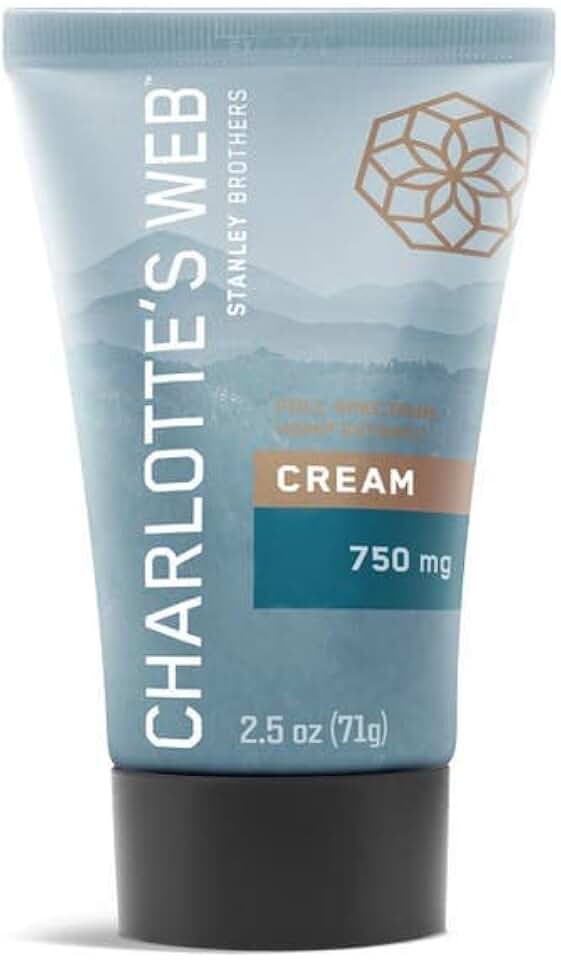
Unscented, natural moisturizer for dry skin · Formulated with hemp extract · Cruelty-free and vegan
Charlotte's Web is a trusted name in hemp wellness, offering a vegan and cruelty-free unscented cream that aligns with sustainable consumer values.
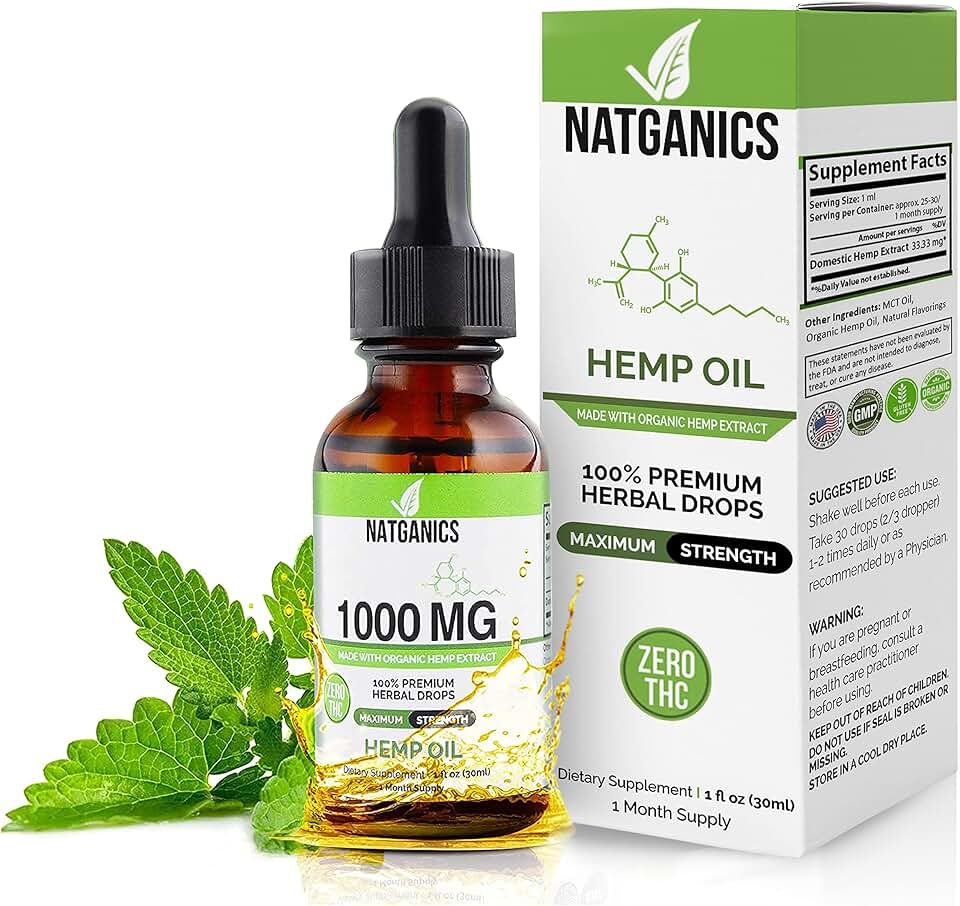
1000mg of organic hemp oil extract · CO2 extracted for purity · Contains Omega fatty acids 3, 6, and 9
This ultra-premium hemp oil is organically grown and made in the USA, emphasizing purity and natural sourcing for a sustainable wellness choice.
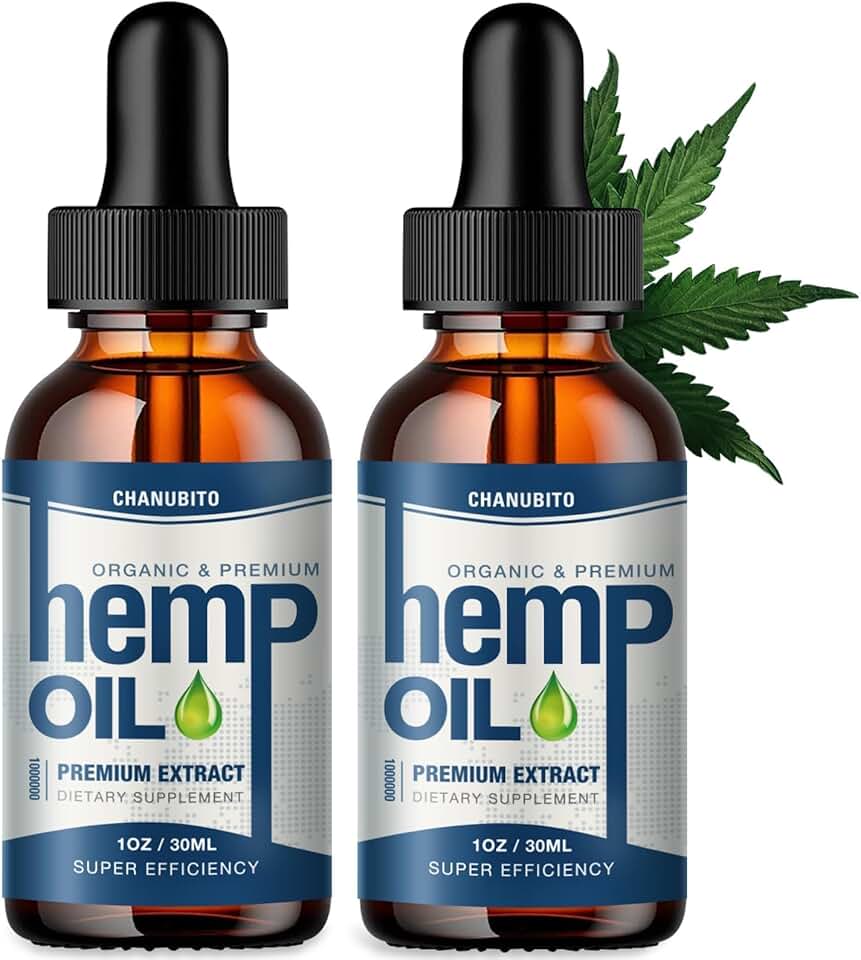
High potency hemp oil drops · Supports mood, pain relief, sleep, and skin health · Vegan and Non-GMO
This 2-pack of organic hemp oil offers a cost-effective and natural solution for various wellness needs, produced with a commitment to non-GMO ingredients.

High potency hemp oil extract · Supports focus, calm, relaxation, and mood · Organic, Vegan, and Non-GMO
This 2-pack of high-potency hemp oil provides a pure, organic, and vegan extract designed to support mental well-being and relaxation sustainably.
As an Amazon Associate I earn from qualifying purchases. Prices may vary.
The plastic problem in CBD packaging
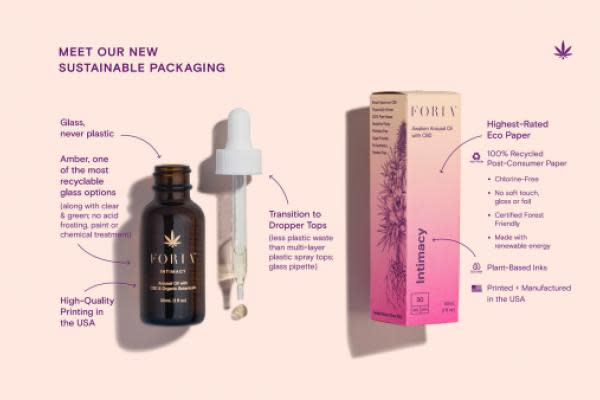
CBD packaging presents a significant environmental challenge. The industry has historically relied heavily on plastic containers, glass bottles (which can be heavy to ship), and non-recyclable materials. This generates a substantial amount of waste that ends up in landfills.
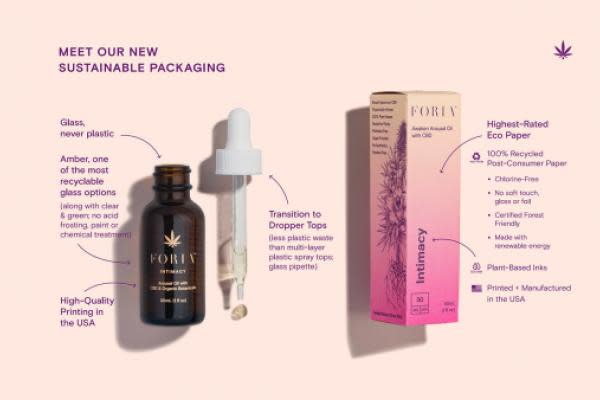
Fortunately, there’s a growing movement towards more sustainable packaging solutions. Compostable materials, such as plant-based plastics and mushroom packaging, are gaining traction, though their compostability often depends on specific facilities being available. Glass containers are a better option than plastic, but they are heavier and more energy-intensive to transport.
Refill programs are another promising approach. Some brands are now offering refillable containers or encouraging customers to return empty containers for reuse. Minimal packaging designs – reducing the amount of material used without compromising product protection – are also becoming more common.
The responsibility doesn’t fall solely on brands. Consumers can play a role by demanding better packaging, choosing products with minimal packaging, and properly recycling or composting materials. Supporting brands that prioritize sustainable packaging sends a clear message to the industry.
Beyond the Product: Ethical Sourcing & Labor Practices
Sustainability extends beyond environmental concerns to encompass social responsibility. Ethical sourcing and fair labor practices are essential components of a truly sustainable CBD industry. This means ensuring that workers are treated fairly, paid a living wage, and work in safe conditions.
Transparency in the supply chain is crucial for verifying ethical practices. Brands should be able to trace their hemp back to the farm where it was grown and demonstrate that workers were treated with respect. This can be challenging, especially for companies that source hemp from multiple locations.
Supporting brands that invest in the communities where their hemp is grown is also important. This could involve providing educational opportunities, healthcare services, or other forms of support. A commitment to community development demonstrates a genuine concern for the well-being of the people involved in the CBD supply chain.
Consumers can support ethical practices by choosing brands that prioritize transparency, fair labor standards, and community investment. Asking questions about a brand’s sourcing and manufacturing processes can help hold them accountable.
Certifications you can actually trust
Navigating the world of CBD certifications can be confusing. While several certifications exist, they don’t all guarantee the same level of sustainability. USDA Organic is a valuable certification, but as mentioned earlier, it focuses primarily on farming practices and doesn’t address all aspects of sustainability.
The US Hemp Authority certification focuses on quality and safety, including testing for contaminants and accurate labeling. It’s a good indicator of product quality, but it doesn’t necessarily prioritize environmental concerns. Other certifications, such as Certified B Corporation, assess a company’s overall social and environmental performance.
Transparency is arguably even more important than certifications. Brands that openly share information about their sourcing, manufacturing processes, and testing results are more likely to be committed to sustainability. Look for brands that provide detailed information on their websites or are willing to answer questions about their practices.
Independent verification is also valuable. Third-party lab testing can confirm the potency and purity of CBD products, while independent audits can assess a brand’s sustainability practices. Consumers should be skeptical of brands that rely solely on self-reporting.
Comparison of Common CBD Certifications
| Certification Name | Scope | Verification Process | Cost | Credibility |
|---|---|---|---|---|
| USDA Organic | Covers agricultural practices – seed to sale. Focuses on soil quality, pest control, and prohibits synthetic fertilizers. | Third-party certification involving annual on-site inspections, review of farm plans, and testing of soil and water. Requires adherence to strict USDA organic standards. | Varies significantly based on farm size and complexity; can range from several hundred to thousands of dollars annually. | Generally considered highly credible due to the rigorous standards and government oversight of the USDA. |
| US Hemp Authority Certification | Focuses on quality and safety standards throughout the entire hemp supply chain – cultivation, processing, and product manufacturing. | Independent audits of facilities, testing of products for contaminants (pesticides, heavy metals, solvents), and verification of CBD content. Relies on adherence to industry best practices. | Certification fees vary depending on facility size and scope, but generally fall in the range of $500 - $5,000 annually. | Good credibility, as it's an industry-led initiative aiming to establish quality benchmarks, but lacks the direct government backing of USDA Organic. |
| Good Manufacturing Practices (GMP) Certification | Focuses on the quality control of manufacturing processes, ensuring products are consistently produced and controlled according to quality standards. | Facility inspections, review of standard operating procedures (SOPs), and documentation control. Focuses on the *how* products are made, not necessarily the source of ingredients. | Cost varies widely based on the scope of the GMP audit and the certifying body. Can range from $1,000 to $10,000+. | High credibility, particularly in the pharmaceutical and food industries, demonstrating a commitment to consistent product quality. |
| ISO 9001 Certification | A general quality management system standard applicable to any industry. Demonstrates a company’s ability to consistently provide products and services that meet customer and regulatory requirements. | Independent audit of quality management systems, including documentation, processes, and continuous improvement efforts. Broad in scope and not CBD-specific. | Cost depends on the size and complexity of the organization, typically ranging from $3,000 to $8,000+ annually. | Well-recognized and respected globally, but less directly relevant to CBD quality than certifications focused specifically on hemp and cannabis. |
| Oregon Department of Agriculture (ODA) Hemp Certification | Specifically for hemp grown in Oregon, verifying compliance with state regulations regarding cultivation, testing, and handling. | Inspection of hemp fields, testing of samples for THC content, and adherence to ODA guidelines. Focused on Oregon-specific regulations. | Fees are determined by acreage and testing requirements, varying annually. Generally lower cost than national certifications. | Credible within Oregon, demonstrating compliance with state law, but less recognized nationally than USDA Organic or US Hemp Authority. |
| European Industrial Hemp Association (EIHA) Certification | Focuses on industrial hemp cultivation and processing within Europe, ensuring compliance with EU regulations. | Audits of cultivation and processing facilities, testing of products, and adherence to EIHA standards. Aligned with EU hemp legislation. | Costs vary depending on the scope of certification and the size of the operation. | Strong credibility within the European hemp industry, demonstrating adherence to EU standards. |
Illustrative comparison based on the article research brief. Verify current pricing, limits, and product details in the official docs before relying on it.
No comments yet. Be the first to share your thoughts!